

- Home
- Our Offers
- Media
- Archive News
- News 2025
- MARUM im Dialog Heavy Rainfall
Heavy Rainfall Events are on the Rise – How Can Bremen Become More Resilient?
Actors from science, politics, and practice discuss this topic at “MARUM im Dialog”

Heavy rainfall occurs unexpectedly, can affect any district in Bremen and Bremerhaven, and the damage can be immense. Scientists believe that climate change will cause heavy rainfall to become even more intense and frequent in the future. “We can reduce risks if we identify them early on and take action, think across departments, and take scientific findings into account and incorporate them into our strategies,” emphasized State Secretary Dr. Ralph Baumheier (Senator for Construction, Mobility, and Urban Development) in his welcoming address.
The event on October 28, 2025, at the Kunsthalle Bremen provided a platform for the exchange of ideas and perspectives. In their keynote speeches, Dr. Ute Merkel, climate modeler from MARUM – Center for Marine Environmental Sciences at the University of Bremen, and Prof. Dr. Heiko Sieker, civil engineer from the Technical University of Berlin and Ingenieurgesellschaft Prof. Dr. Sieker mbH, explained whether extreme events are becoming the “new normal,” what role the what role the oceans play in the development of precipitation, and that in Berlin, by law, no new rainwater channels may be built for drainage, but instead the sponge city principle must be applied. In the panel discussion with Ralph Baumheier, Ulf Jacob from “grünes bremen – Bündnis lebenswerte Stadt, Ute Merkel, and Heiko Sieker, it was discussed that the numerous guidelines and directives tend to hinder rather than promote implementation, and whether road renovations should be an opportunity to implement measures for heavy rain prevention instead of just making repairs. Until now, the effects and dangers of heavy rainfall occurring in conjunction with another extreme event, such as a storm surge or drought, seemed to have been greatly underestimated. The planned Berlin Climate Protection Act met with great interest within the discussion: among other things, it stipulates that there must be a healthy tree every 15 meters on both sides of the road.
"Today's exchange shows that the risks posed by heavy rainfall must be taken seriously. Climate-resilient urban development and awareness of the risks posed by climate change are of great relevance to us all," summarized MARUM Director Prof. Kai-Uwe Hinrichs in his closing remarks.
The aim of the dialogue series “MARUM im Dialog” is to make scientific findings from MARUM and related disciplines available to political decision-makers in an understandable way, thereby strengthening knowledge transfer.

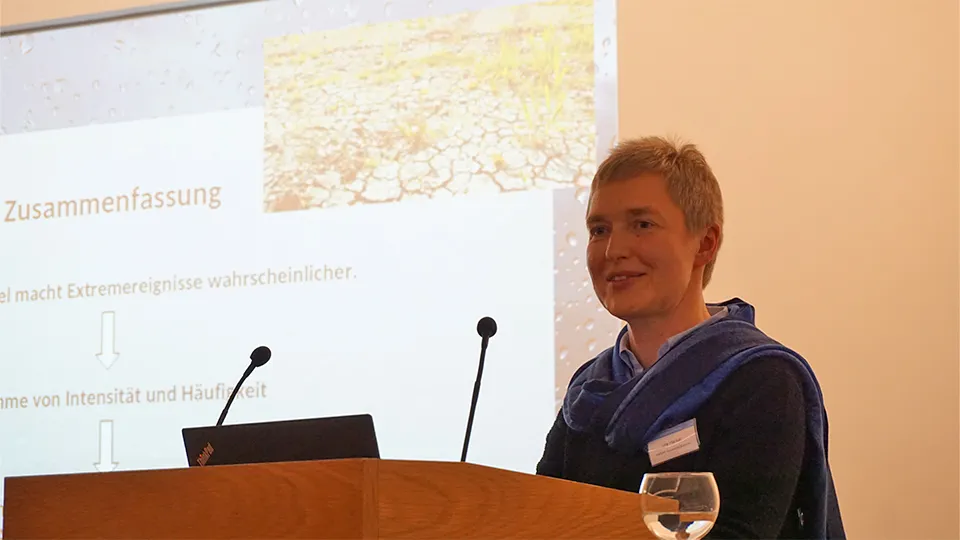
Talk of Dr. Ute Merkel.
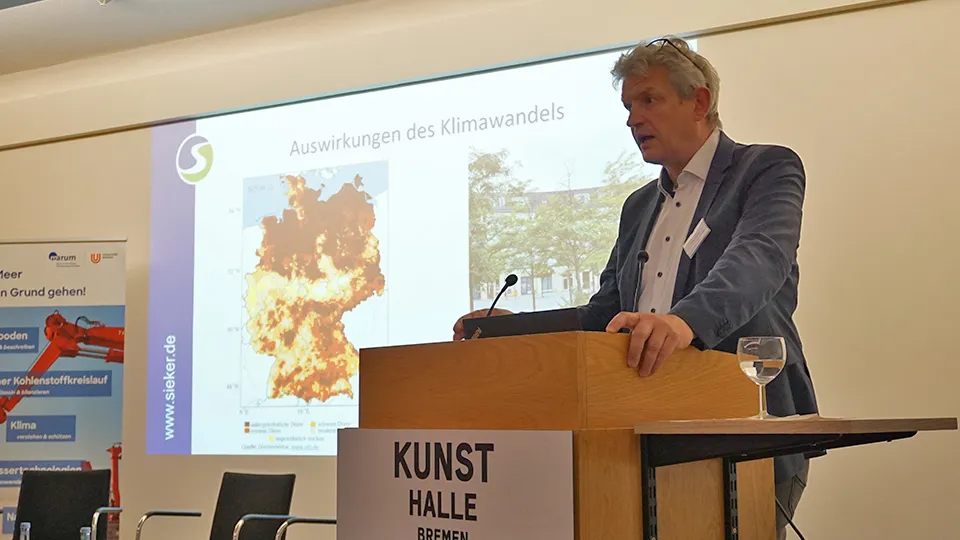
Talk of Prof. Heiko Sieker.
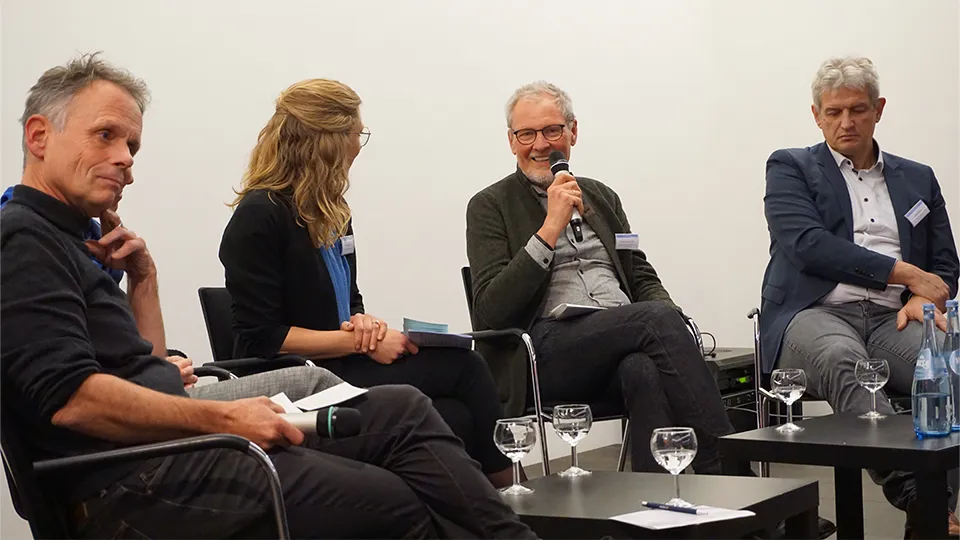
State Secretary Dr. Ralph Baumheier answers questions during the panel discussion.
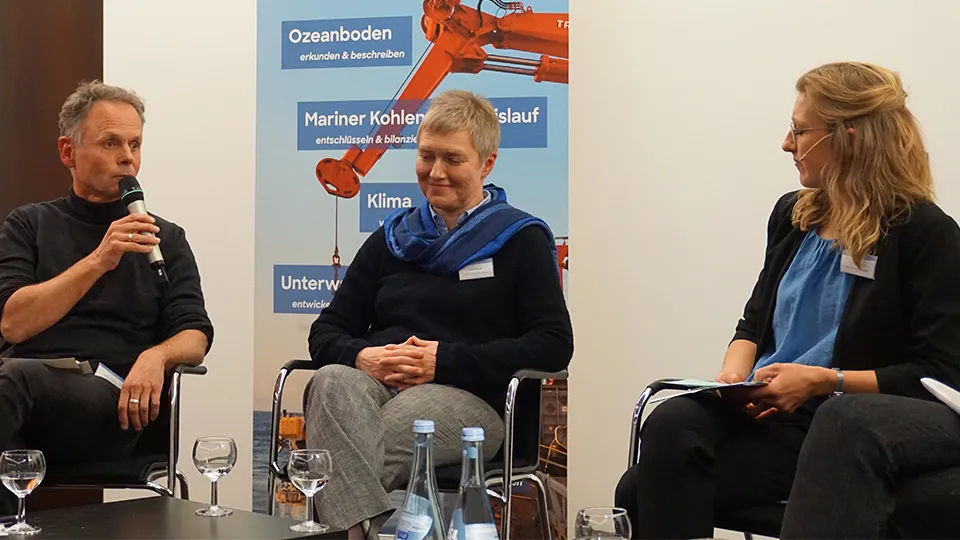
Panelist Ulf Jacob, Dr. Ute Merkel and moderator Dr. Sira Groscurth during the panel discussion.
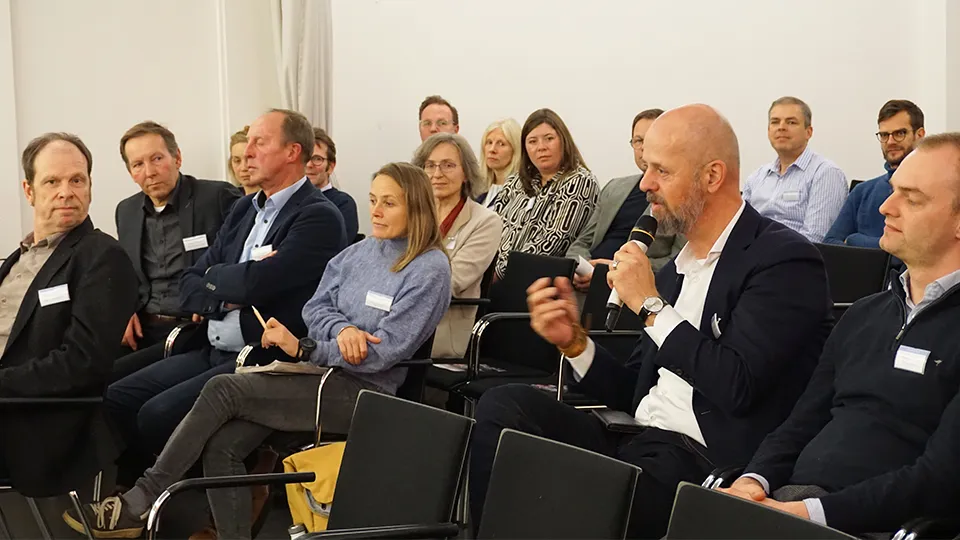
Questions from the audience during the panel discussion.
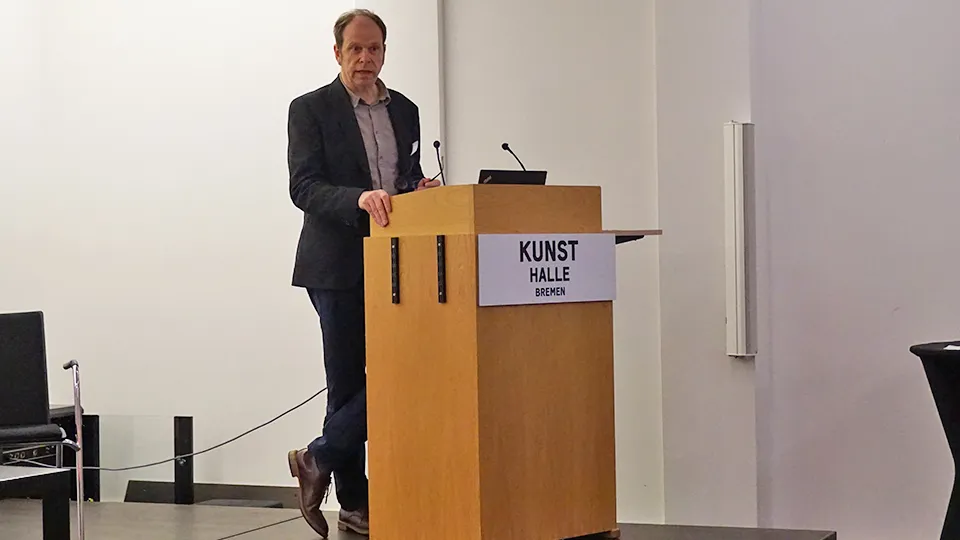
Wrap-up from the MARUM Director, Prof. Kai-Uwe Hinrichs.
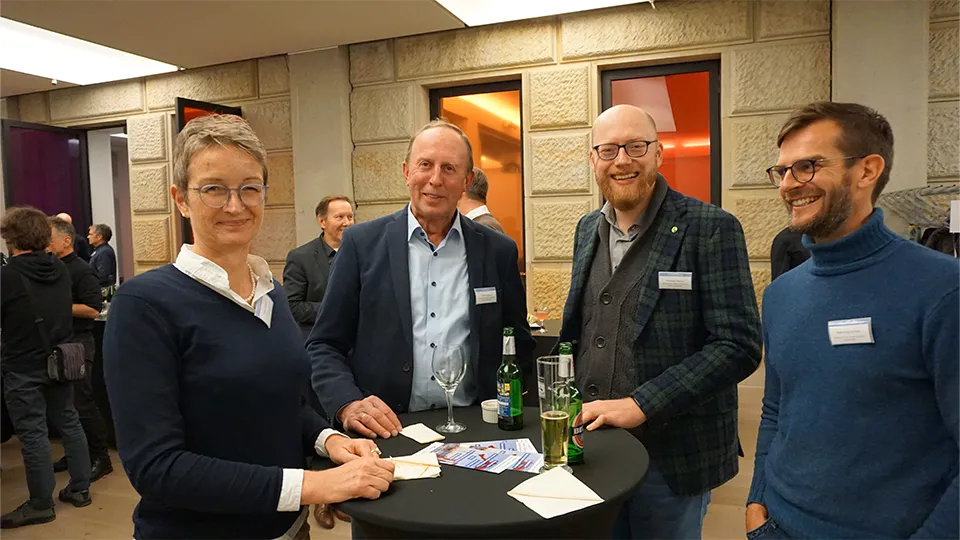
Exchange of ideas during the get-together.
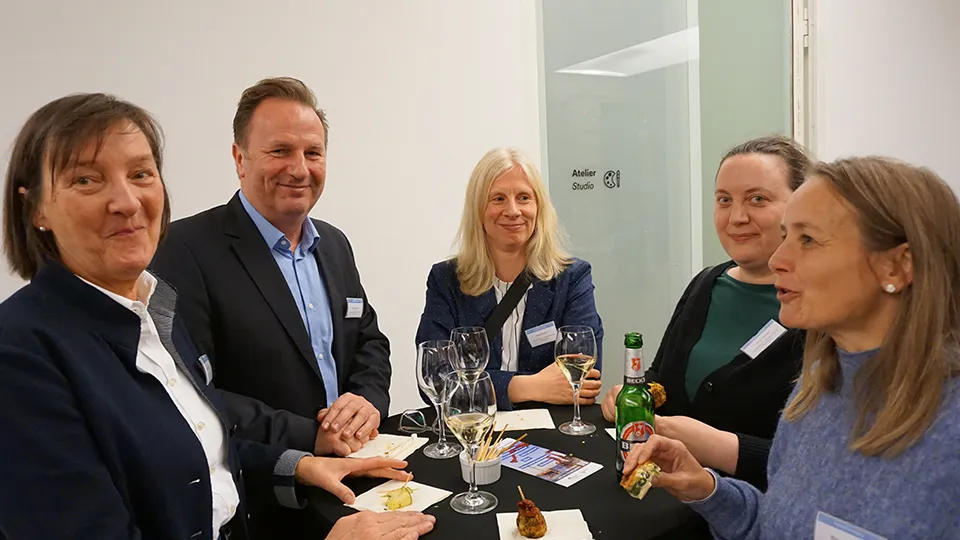
Exchange of ideas during the get-together.
Copyright for all pictures: MARUM – Zentrum für Marine Umweltwissenschaften, Universität Bremen; J. Nitsch