Page path:
- Home
- Our Methods
- Expeditions
- Ship's logs
- Logbook SO306
Logbook SO306
Expedition to the cold-water corals in the West Indian Ocean
Port Louis (Mauritius) - Durban (South Africa)
West Indian Ocean (Strait of Mozambique)
8. August to September 9, 2024
Where do cold-water corals occur in the West Indian Ocean and what do the coral ecosystems there look like?
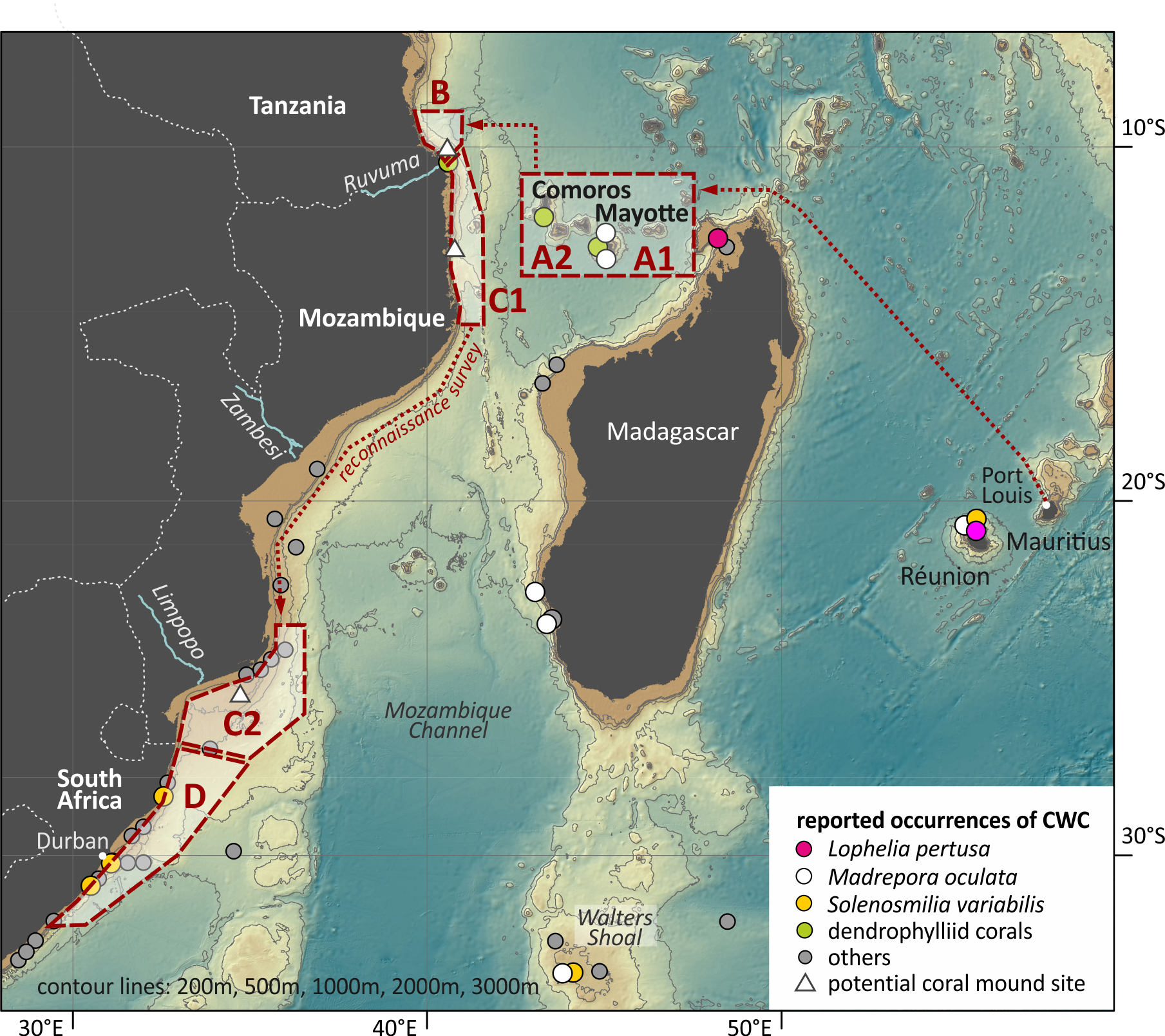
For the first time, a team of researchers on the East African continental slope between Tanzania and South Africa and near the Comoros/Mayotte is trying to find out where cold-water corals occur, under what environmental conditions they live, how many different species live in the reefs and how they could develop in the future.
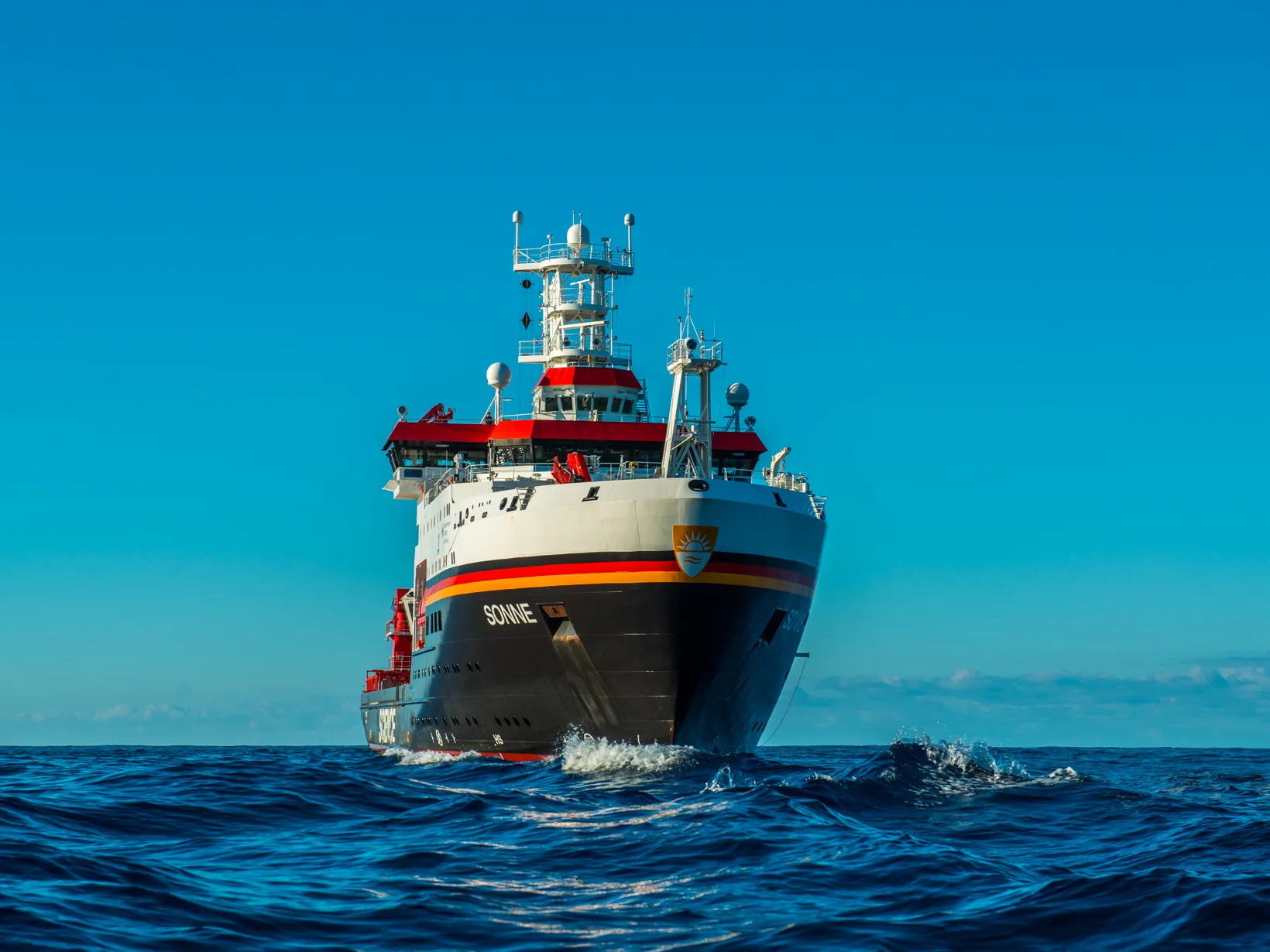
To this end, the international team led by scientific co-chiefs Dr. Claudia Wienberg and Prof. Dr. Dierk Hebbeln will be on an expedition in the West Indian Ocean from 8 August to 9 September 2024 on board the research vessel SONNE. They are relying on historical findings as well as current seismic measurements in the region.
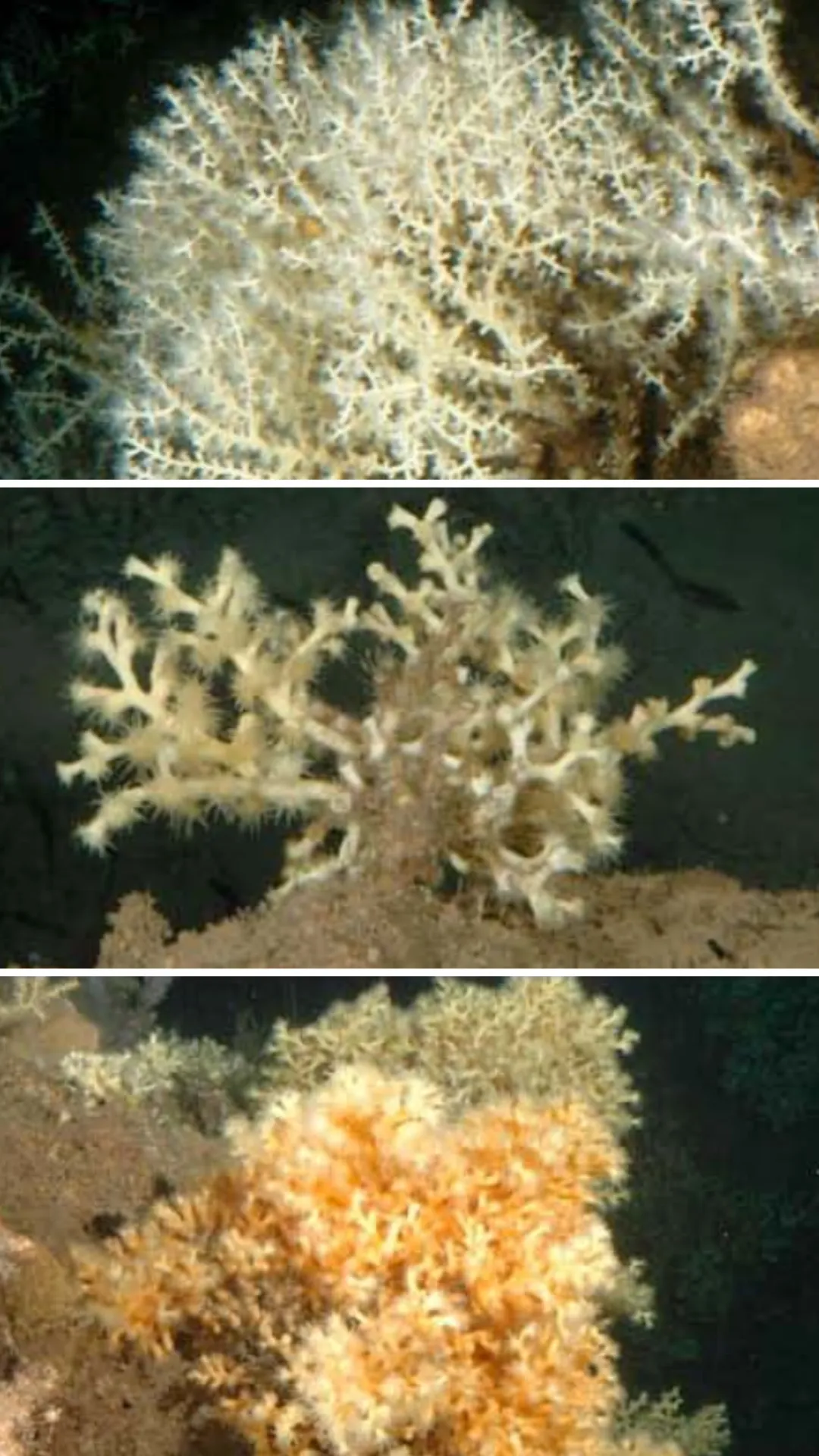
Cold-water corals live in the depths of the oceans, often at depths of several hundred to a thousand meters. They grow slowly and yet sometimes form large reef structures. Unlike tropical corals, they do not need sunlight, but instead use their tentacles to capture plankton and other small organic particles from the water flowing by. Climate change and human activities are threatening these sensitive ecosystems. Although it is already known that cold-water corals exist in the western Indian Ocean, they remain largely unexplored. The scientists on research cruise SO306 want to change this.
The remotely operated vehicle ROV MARUM-SQUID will be used to take photos and videos of the corals. The researchers are also investigating the habitats and want to record the local fauna in detail. Hydroacoustic measuring devices such as multibeam echosounders and ADCPs, landers for long-term studies of environmental conditions and various devices for sediment, water and plankton sampling will also help them.
Official weekly reports of expedition SO306
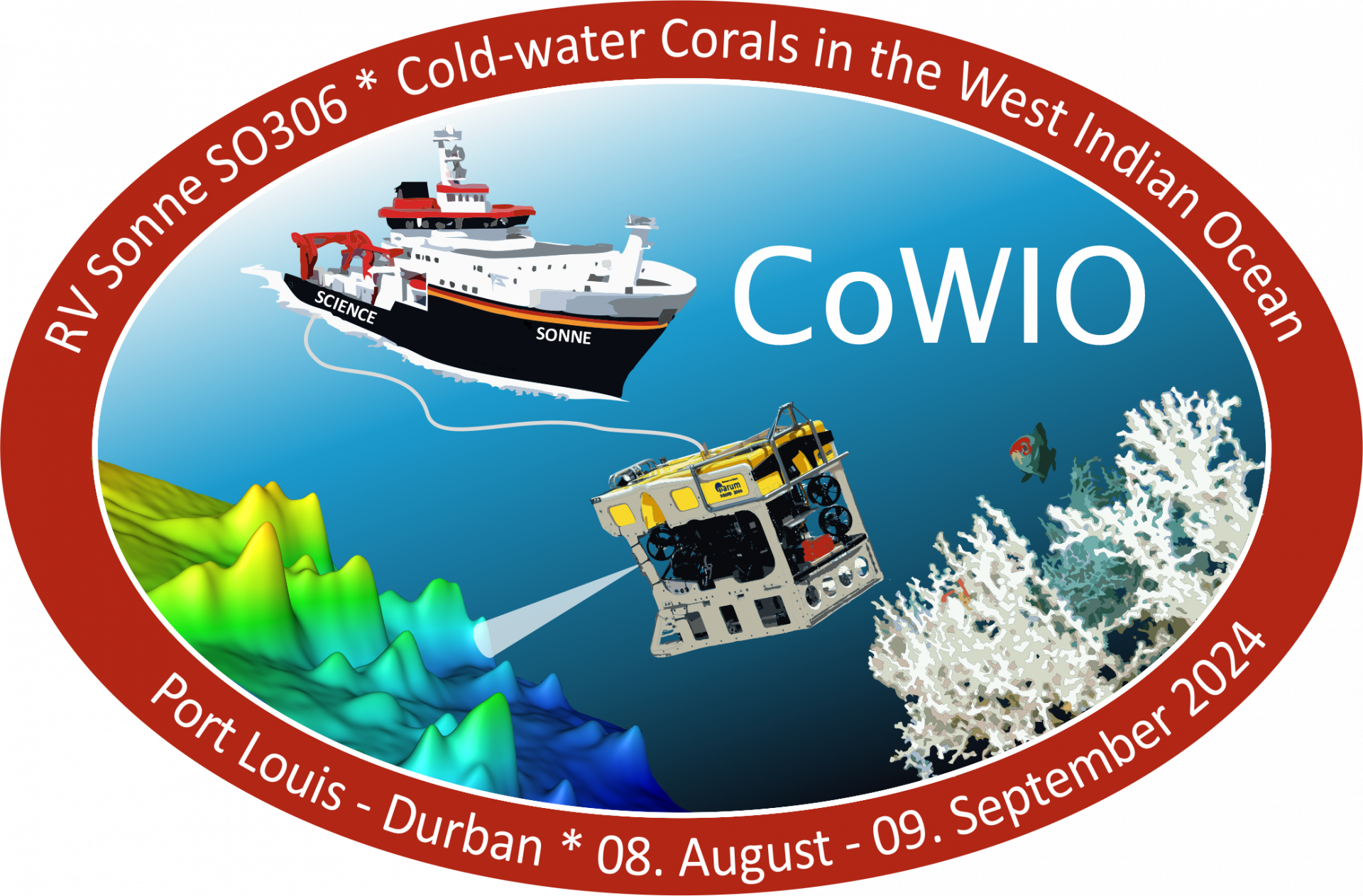
The team of expedition SO306 reports on the journey and everyday life on board in an expedition logbook:
August 8, 2024: Mobilisation of scientific crew to Port Louis, Mauritius
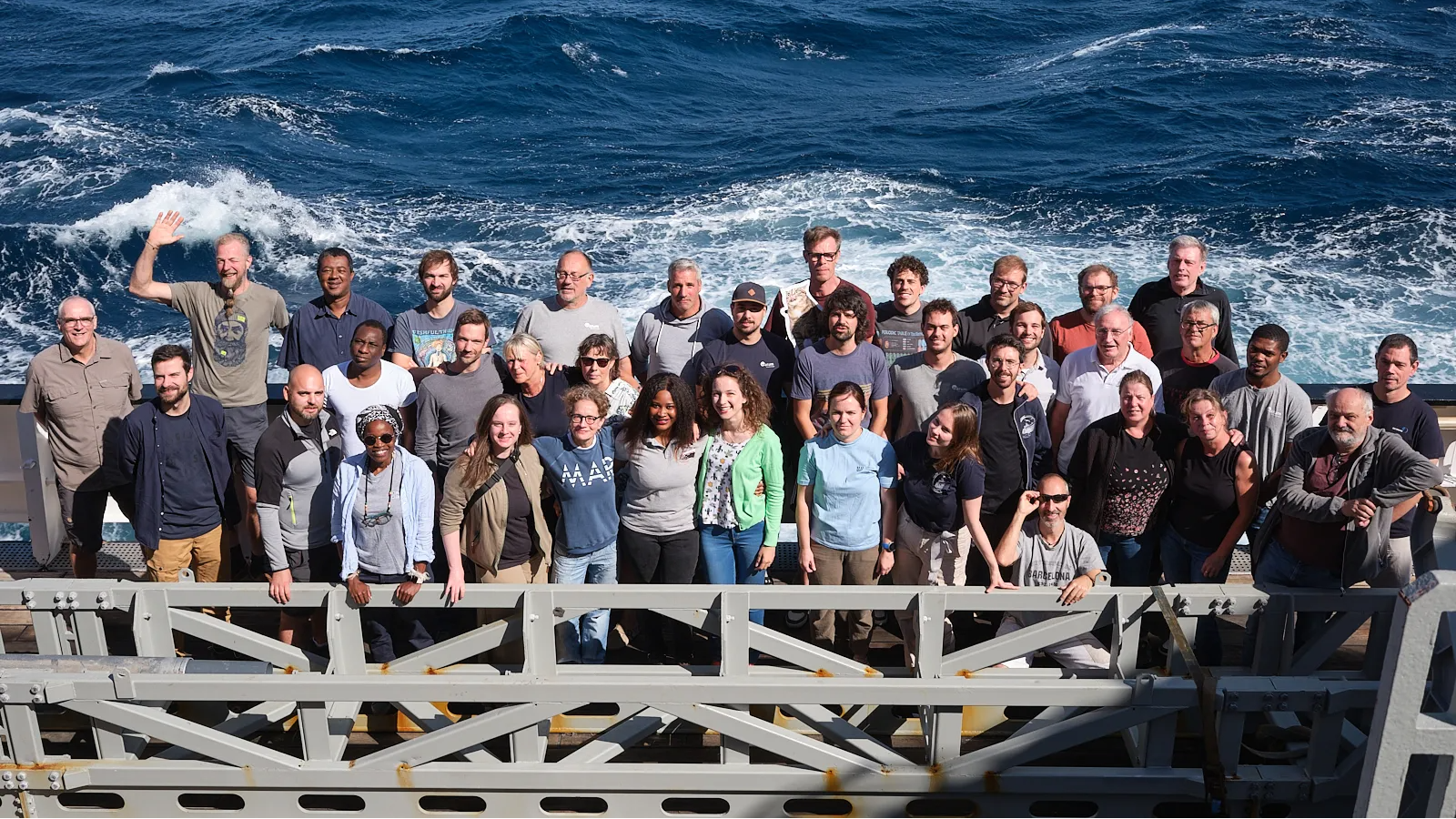
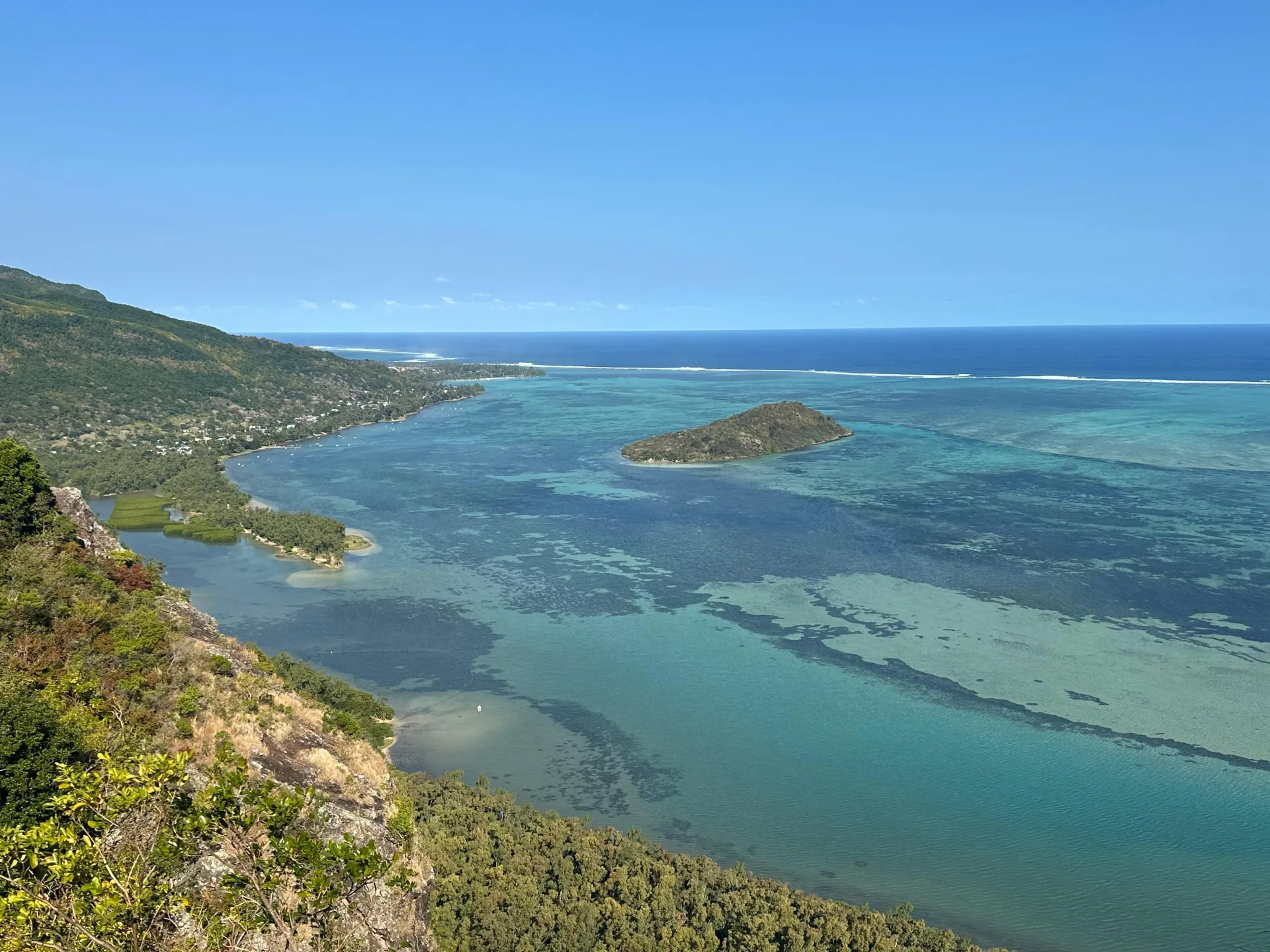
During the last week, 37 scientists participating in the international CoWIO cruise (SO-306) onboard the R/V Sonne, have been slowly arriving to Mauritius. This African country, located around 900 km to the east of Madagascar in the South-West Indian Ocean, was visited by Charles Darwin during the Beagle expedition, who described its landscape as somewhat in-between Galapagos and Tahiti. It generally consists of plains with occasional sharp-shaped mountains covered by dense forests that tend to reach the coast, where large coral reefs can be found surrounding the island. Among its great biodiversity and number of endemic species, one of the most distinctive characteristics of Mauritius is that it used to be home to the iconic Dodo, a bird species that is nowadays extinct.
Some of the cruise participants were lucky enough to also admire the beauty of this island before boarding the ship, which goes beyond its landscape and fauna. Indeed, the mix of cultures present in Mauritius is reflected in its architectonical diversity and a varied cuisine.
Today, 37 scientists from 10 different nationalities (including Germany, France, Italy, Mozambique, Netherlands, Russia, South Africa, Spain, Switzerland and Tanzania) depart from Port Louis towards the Mozambique Channel to investigate cold-water coral ecosystems. We will have around 3 days of transit before reaching the first research area, where by means of seafloor mapping and Remoted Operated Vehicle dives, our scientific team will start exploring the unknown volcanic cliffs and seamounts around Mayotte in search of cold-water coral habitats.
Now we set sail… but will be back soon with more cruise updates!
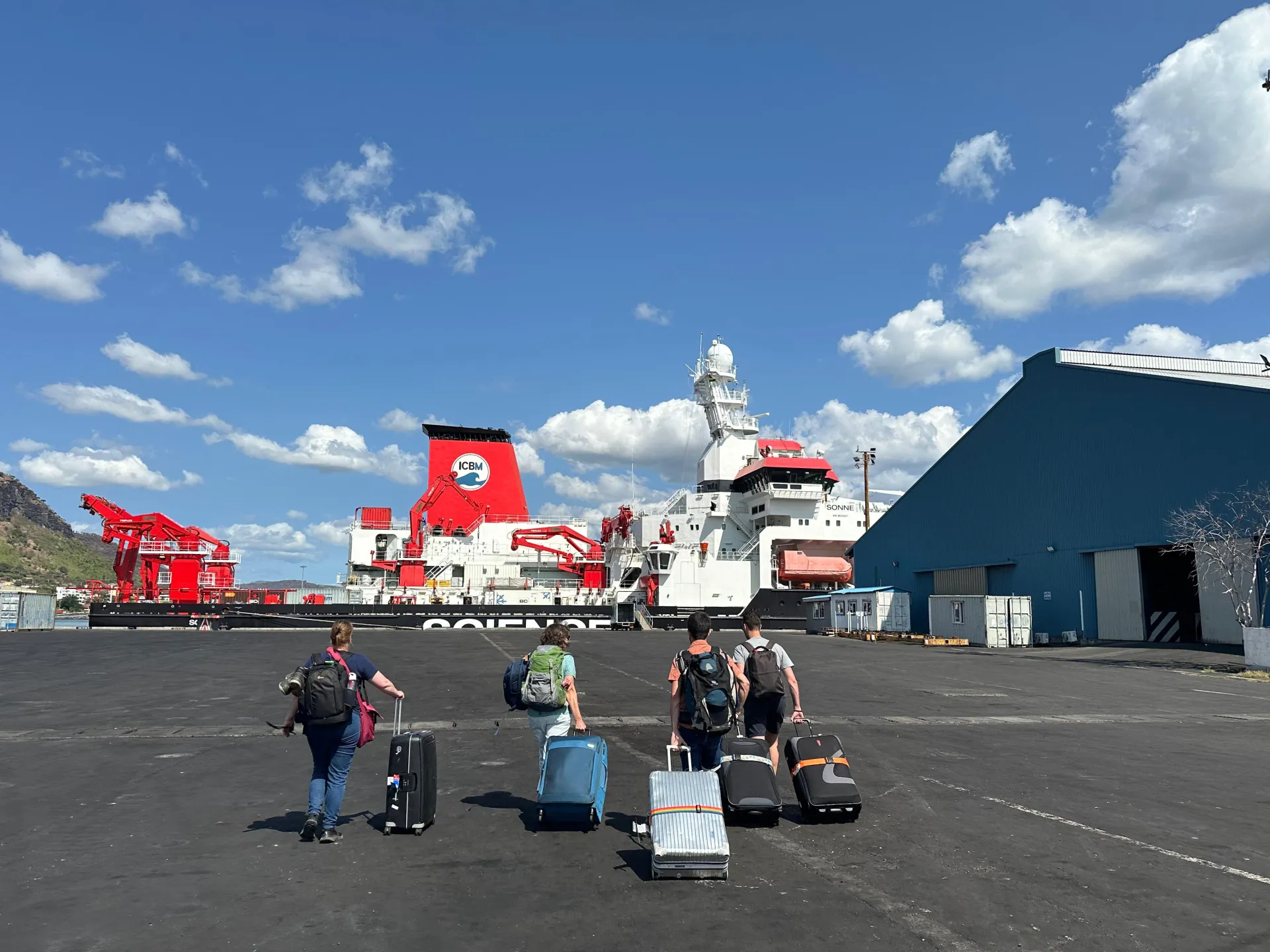
Auguts 11: We feel like we forgot something….
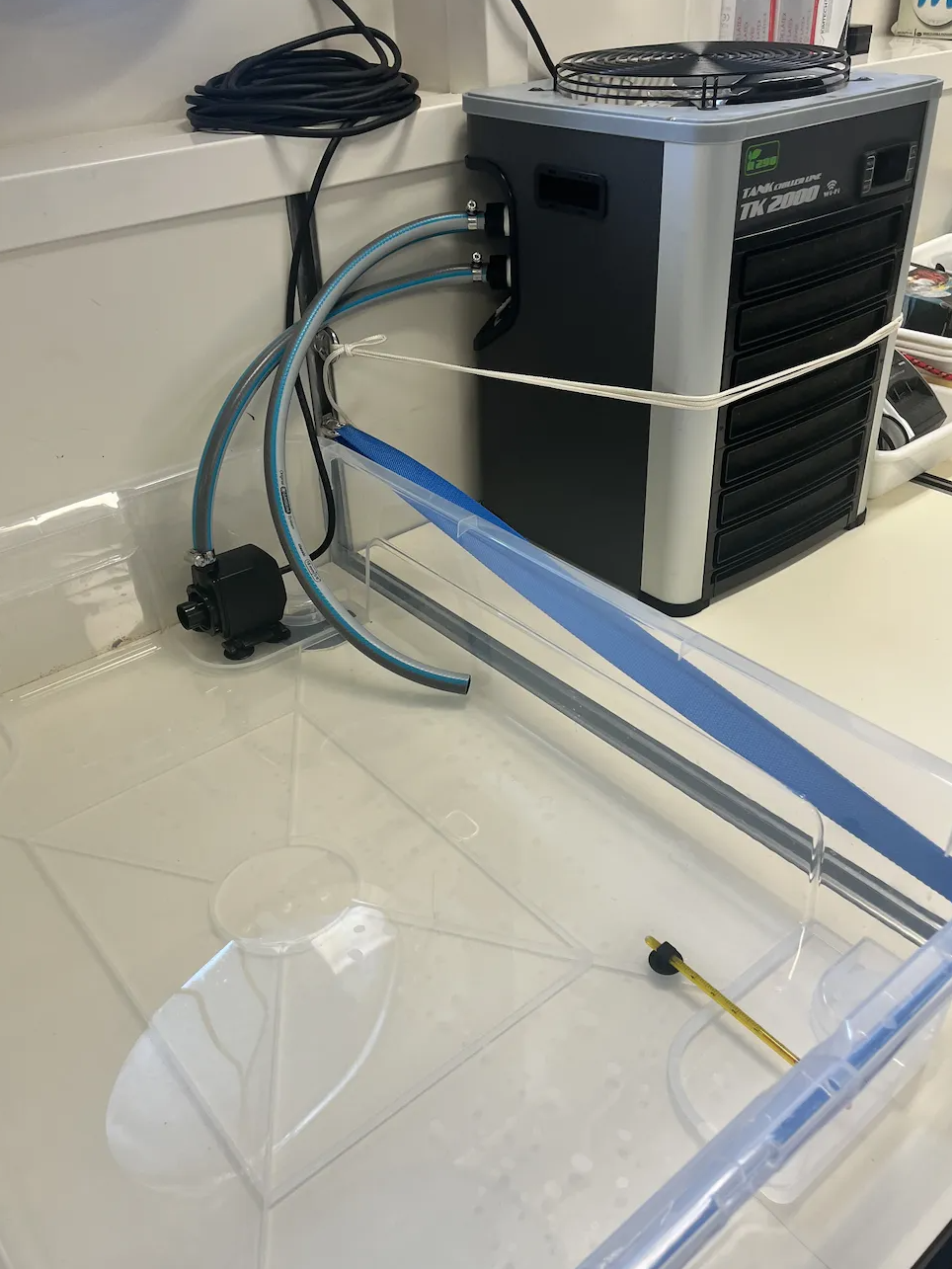
During the transit to our first working area, all the different teams use the time to set up their equipment and gears. We are doing the same, preparing our aquaria for feeding experiments with cold-water corals, which hopefully arrive on deck in the bio box of the Remotely Operated Vehicle (ROV) SQUID. The crew have already set the room temperature for our cold lab, we mounted the aquaria and the chillers to keep the water inside cool for our corals… almost ready to go!
However, even after many years of participating in research expeditions, there is always a piece of equipment that gets forgotten in a drawer in the home lab… brrr… the good news is that on board there is ALWAYS a solution for everything!
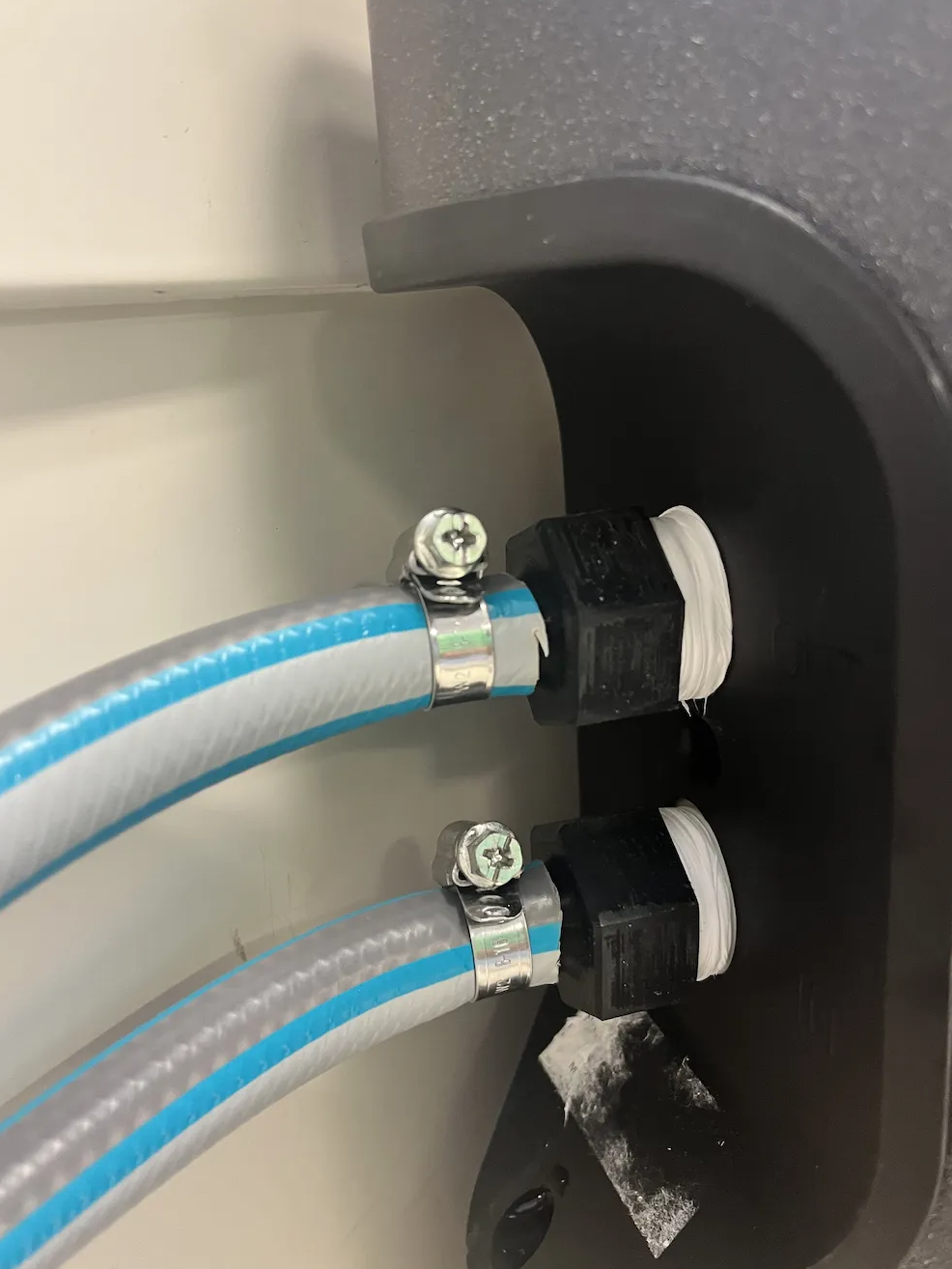
This happened to us yesterday! When we were ready to screw the inlets and outlets of the chillers we realized the needed connectors were missing… arghhh… how could this happen??!!
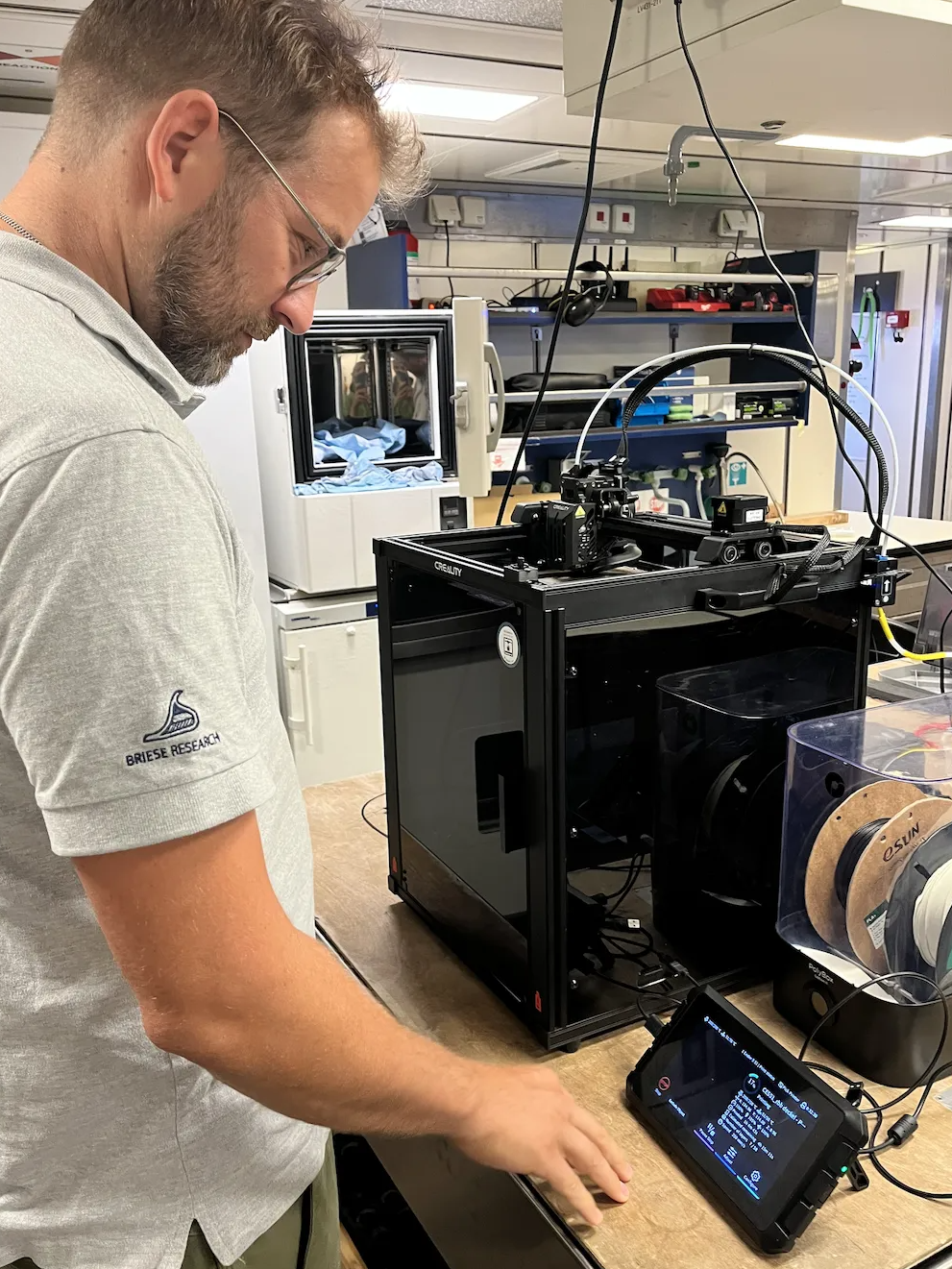
Most people would expect to see scientists on a research cruise, but a scientific expedition would be absolutely impossible without the crew and the technical staff! They are just as important as the scientists. And the good thing with this expedition is that we have the perfect combination of skills and expertise on board! So… in search of a solution, we visited Tom, one of the technicians from the ROV team, as we thought the team may have spare parts that we could use to fix our problem. But, even better, Tom was able to make exactly the parts we needed using a 3D printer!
It is great to have such fantastic teams on board, always ready to work together!
Now we are ready for the first live coral samples!
Many greetings from the Indian Ocean!
Andrea & Cova
August 13: Whale watching …
For the days we are working around the island of Mayotte, we were asked to monitor marine mammals and sea turtles in the region. So, we set up a shift plan with always having two persons in the observation room looking around in two-hour shifts from sunrise to sunset. This observation room is high up at the vessel, even above the bridge. But the long way up through several staircases is worth all the effort: the view from this place is simply magnificent!
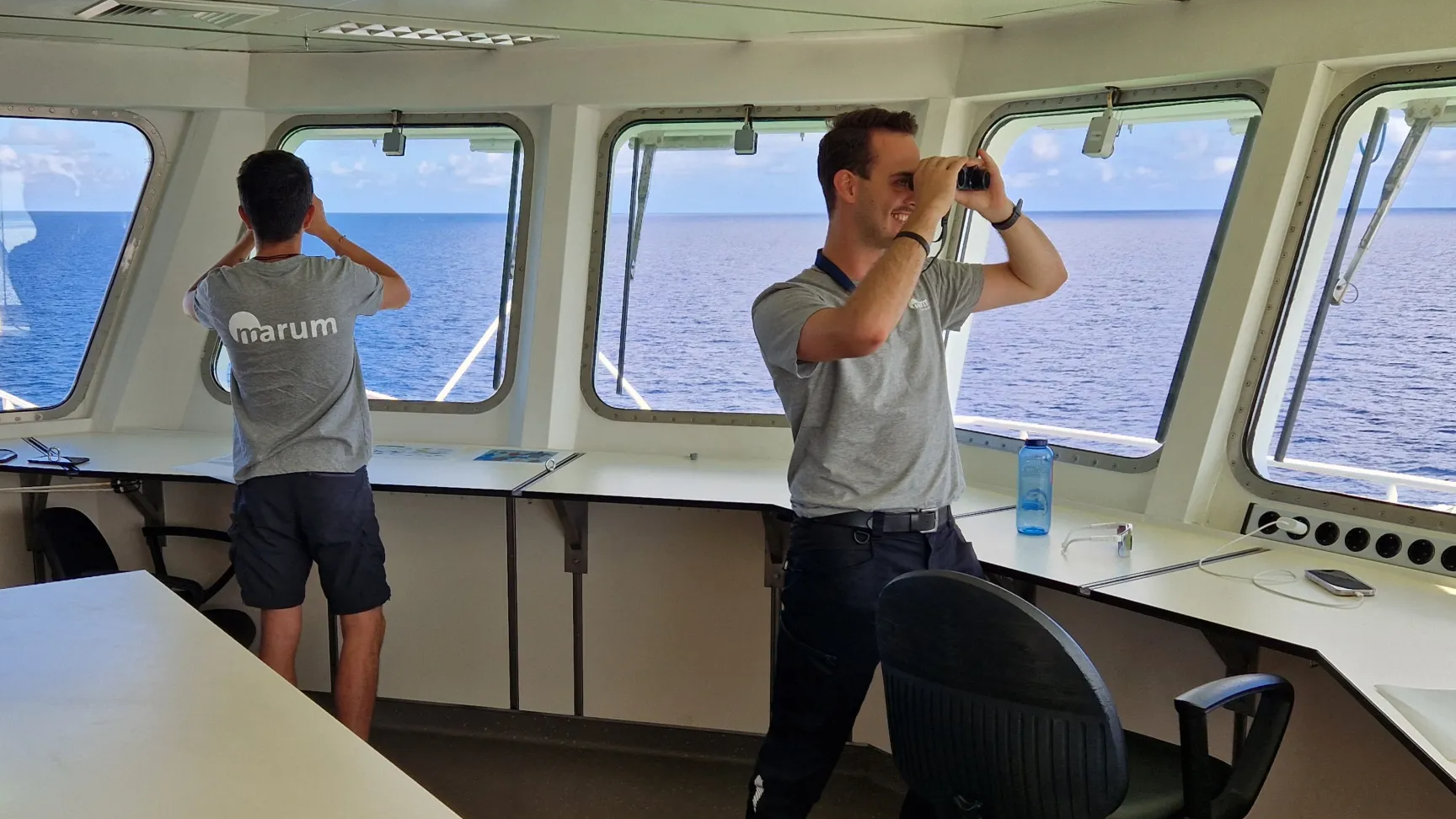
Unfortunately, although marine mammal monitoring sounded promising in the first place, looking out for whales and dolphins appeared to be a not very yielding task. We are perfectly equipped with plates indicating the different whale species, but the problem is, they hardly show up. In three full days, up to now, we only had two confirmed sightings of a whale – in the distance. Both observations included a whale blow.
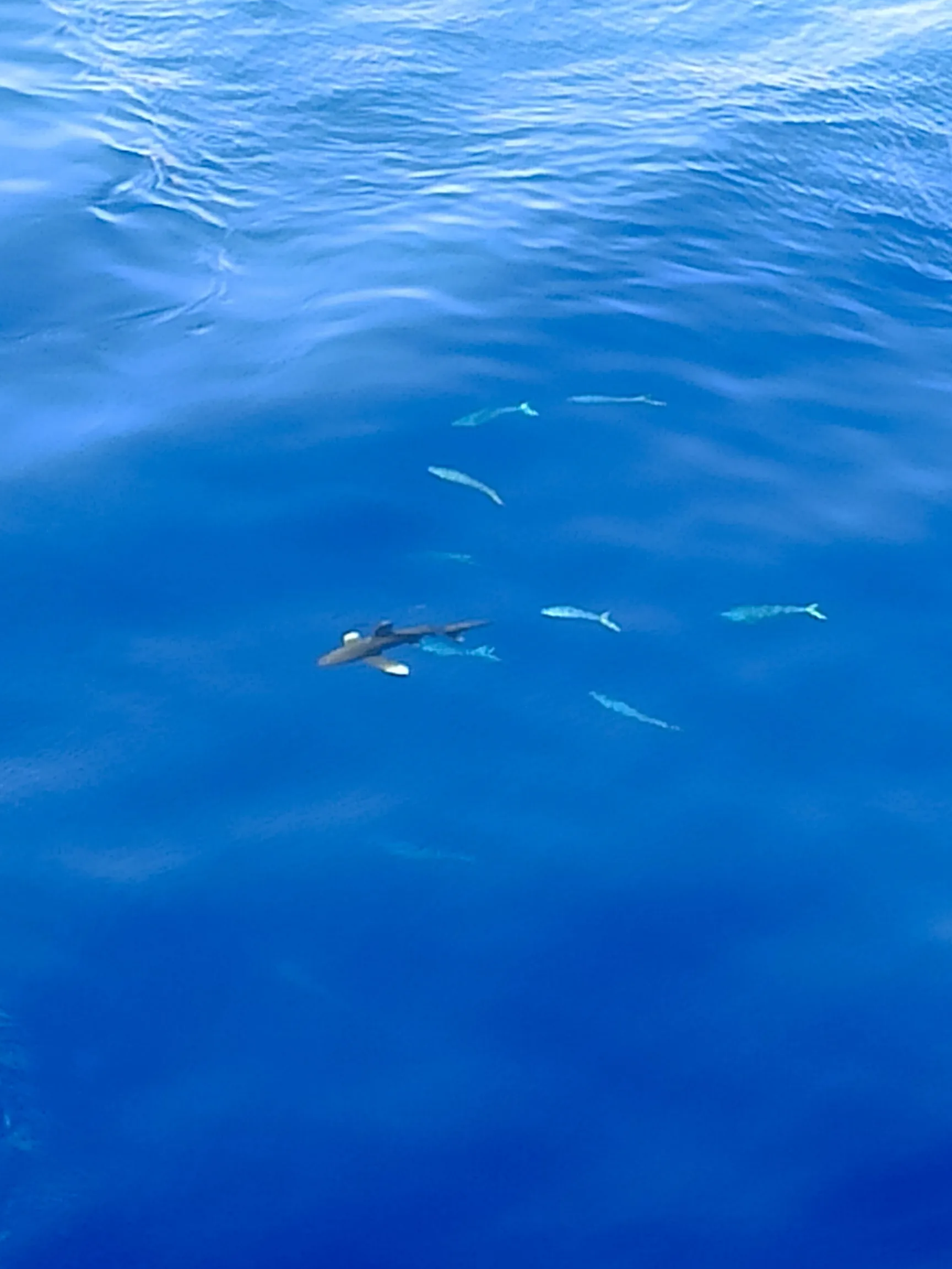
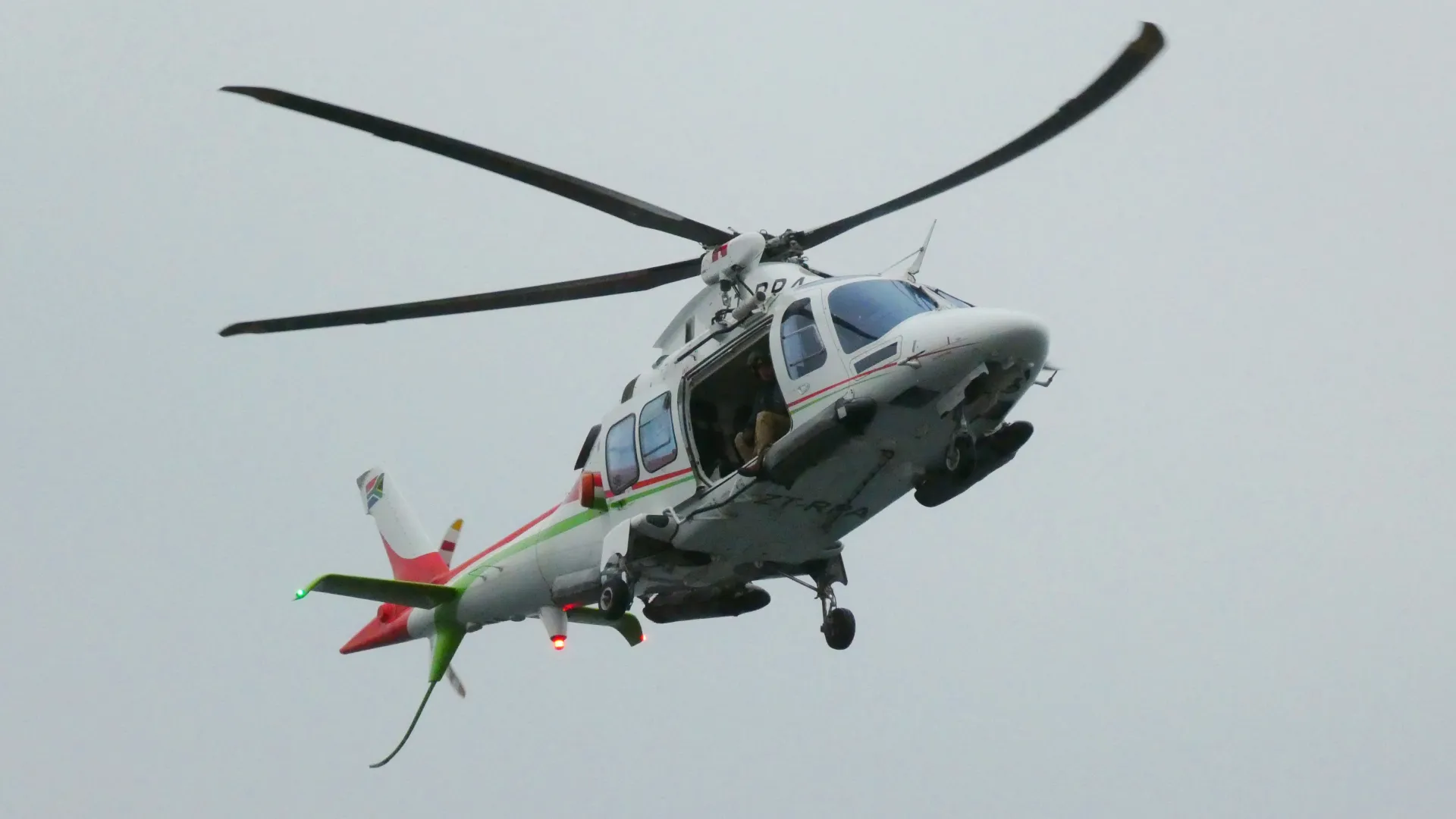
More thrilling were those observations that came out of the blue. Being close to the island we were suddenly visited by a helicopter making two turns around the SONNE. We were waving towards the pilots, they were waving back – and then they left us and flew back to the island. This event was followed by the sighting of large frigate bird gliding above us, and an oceanic white-tip shark being accompanied by some other fishes. While we also saw sea birds shooting into the water like arrows to hunt for fish, the “turtle” we saw later turned out to be floating seaweed. Unfortunately, we also saw some drifting trash …
We do expect to see humpback whales off the coast of Mozambique later this month, since they are known to migrate to the area every southern hemisphere winter. There they mate, give birth and raise their calves. So, fingers crossed for some nice whale pictures… and maybe even an real turtle observation, too.
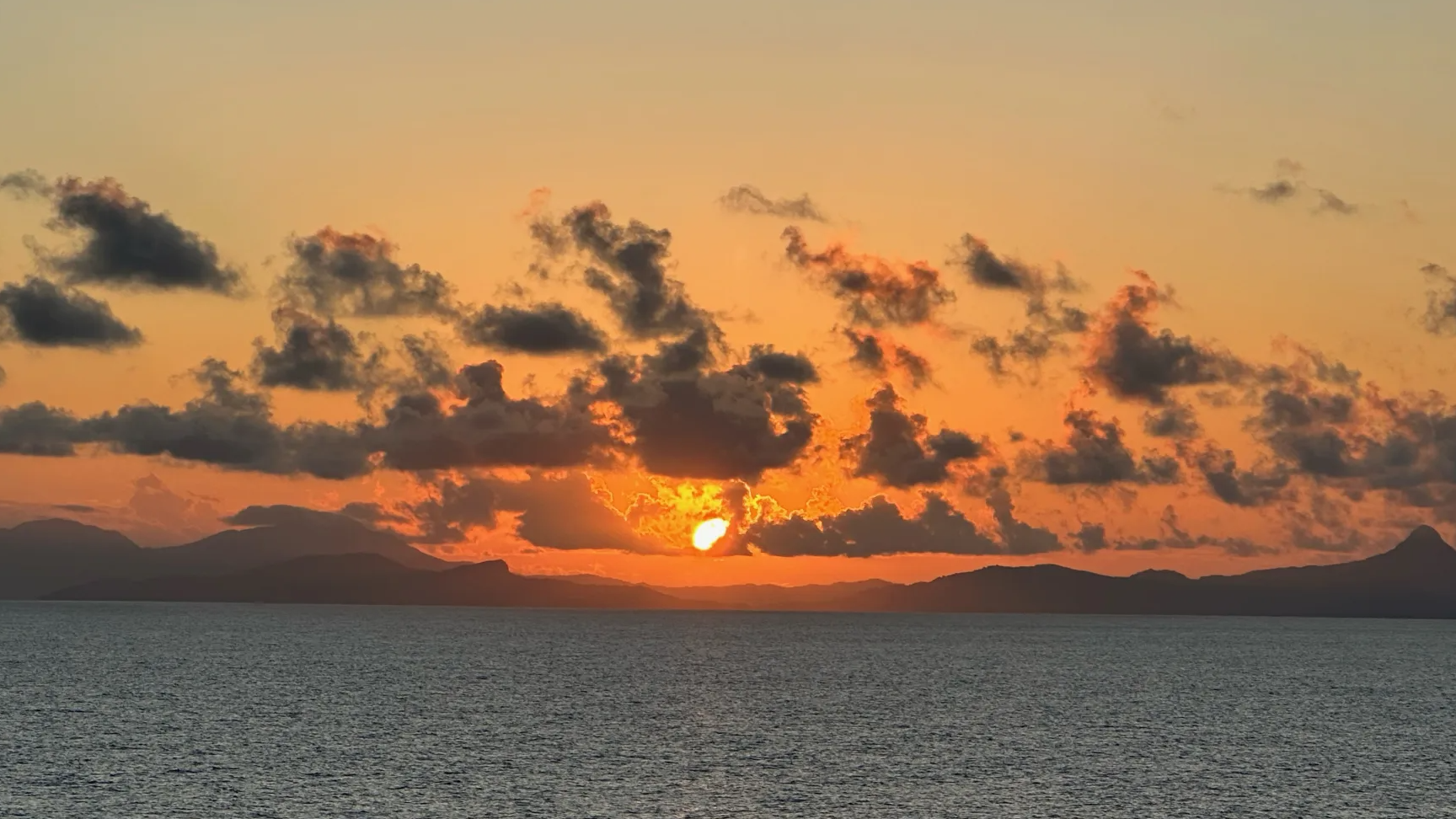
The first whale watchers of each day had to get up early, but they were rewarded by beautiful sunrises behind the stunning silhouette of Mayotte with the iconic peak of Mont Chongui.
August 14: The maiden voyage of the new MARUM TV-controlled box grab
Well, the MARUM box corer is not really new, but what is new is the video camera that is installed on it. When we investigated cold-water corals during earlier cruises, we always missed the possibility to make a targeted sampling with the box corer at the seabed. Often, we missed the good sample just 2 m away from the point the box corer reached the seabed – but when sampling with the box corer we were literally blind.
Now, these days, it seems pretty straightforward to install camera systems on all kinds of devices. So, the idea of having a camera on the box corer was obvious – from a scientist’s point of view. However, a box corer is a tricky thing and putting a camera system on it, developed to a real challenge for our technicians.
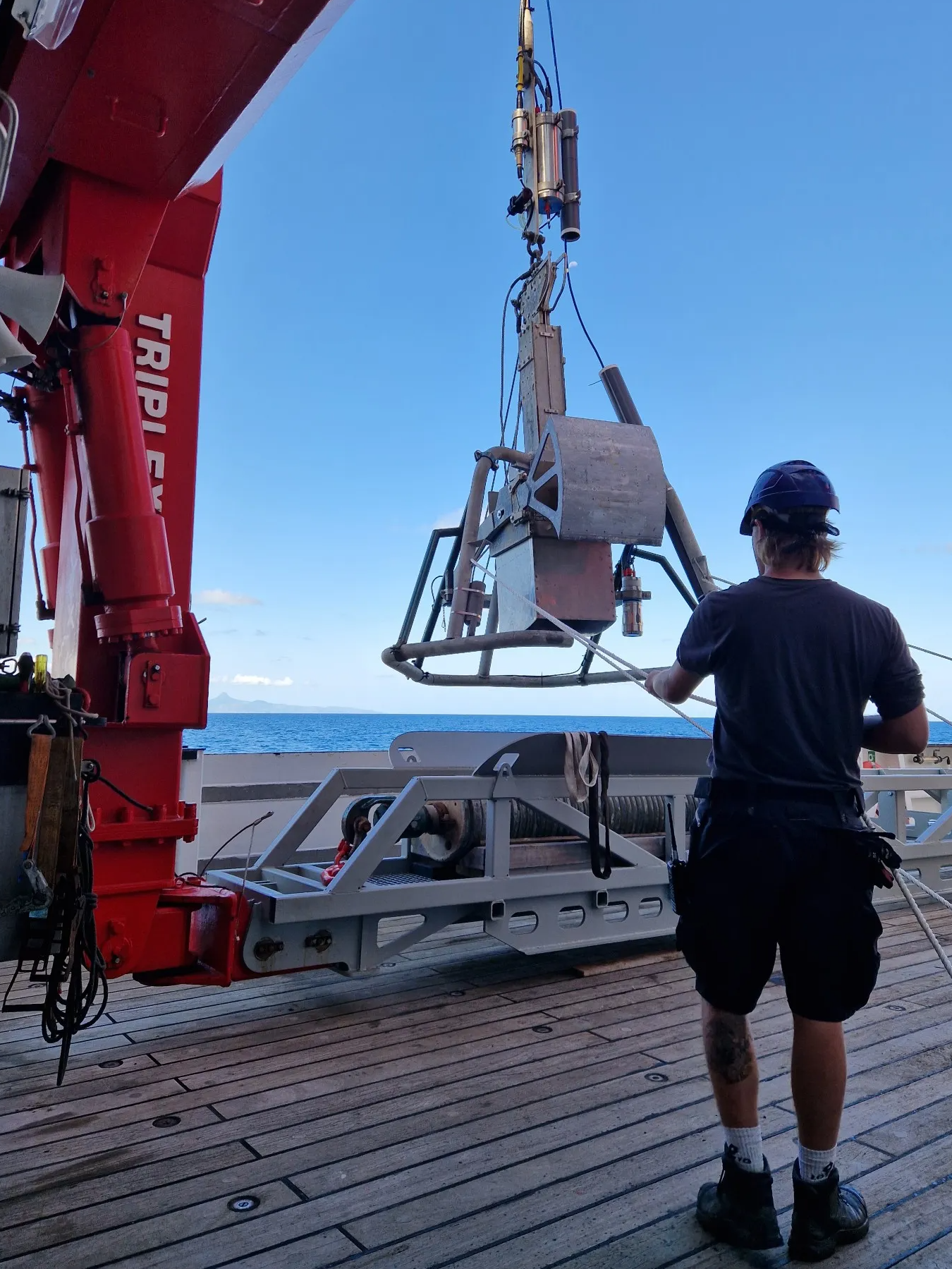
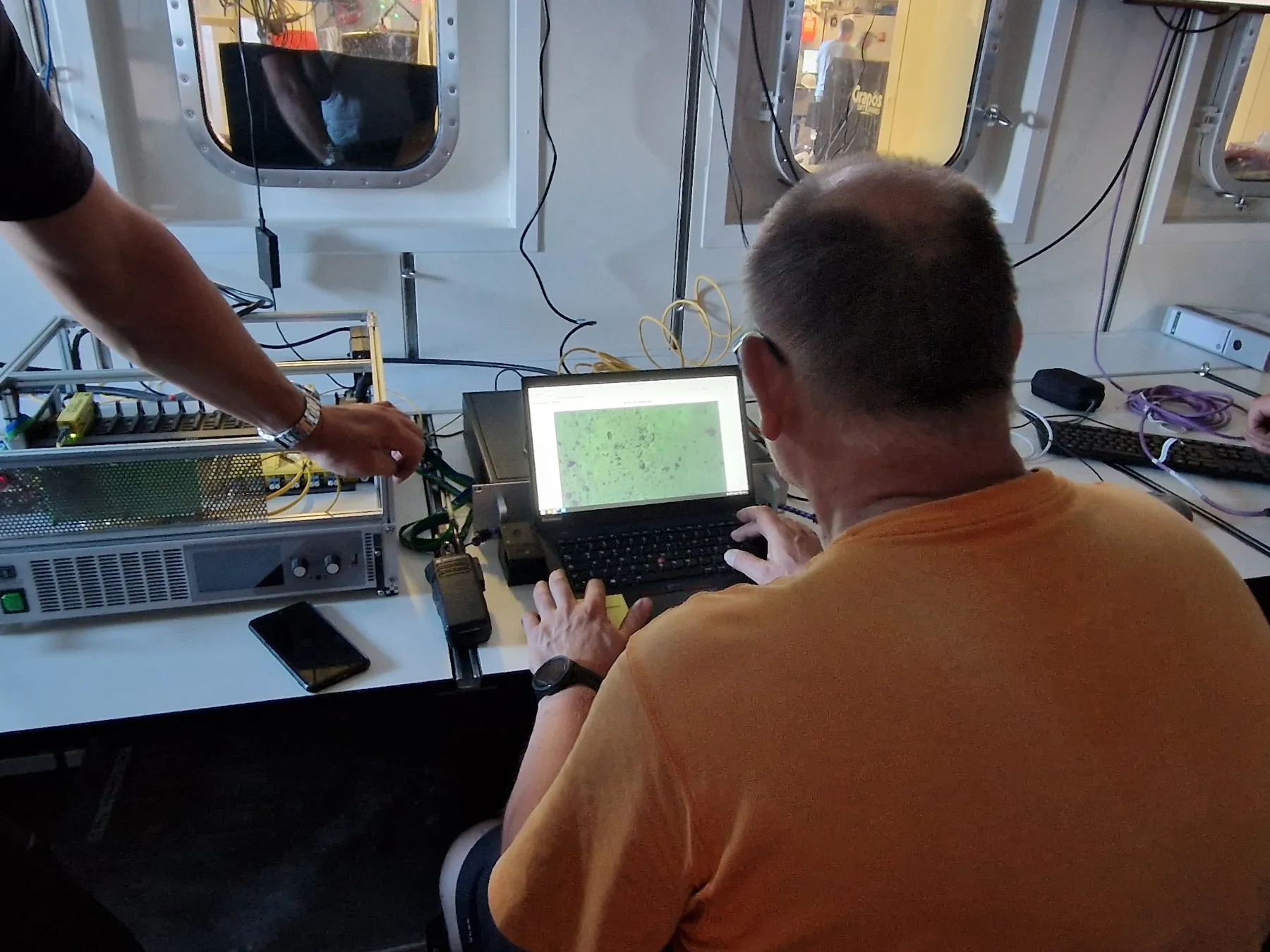
Götz took the challenge to develop such a system – at the cost of some new grey hairs. Supported by some MARUM colleagues and especially by Maik and Klaus, both also onboard now, he came up with some ideas, how to do it. The basic problem is that upon touching the seabed and taking a sample with the box corer, the connection to the ship’s steel wire gets up to three meters longer. Not a problem for connecting the steel wires – but a major problem for an electric cable used to transmit energy and video signals. It took some time, some trials, but now all the equipment is the first time at sea.
Setting-up the system on deck with all the cables and wires needed was a task for five persons – at least in preparation for the first cast. But suddenly, everything was prepared and we could send the TV-guided box corer on its maiden voyage. Will there be a video signal when it is in the water? Will it last also under the high pressures in almost 800 m water depth? Can it be really used to position the box corer at a selected spot? Well, the answer is a threefold “YES”! Everybody was excited when he seabed appeared at the screen and when we were selecting the sampling spot. And as also taking the sample made no problems to the video transmission a loud “Hurray” filled the laboratory.
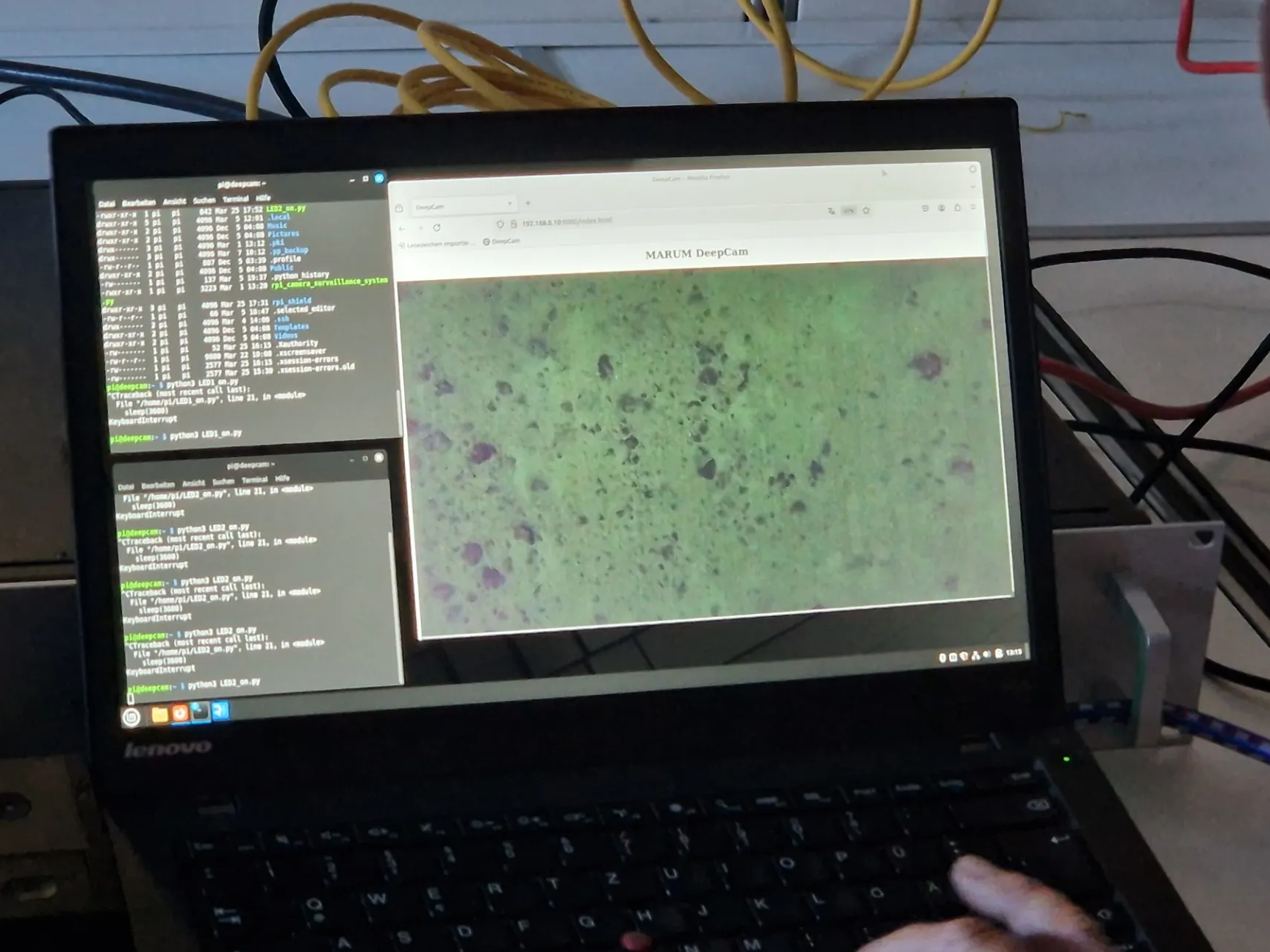
This is another typical case in which the scientists have an - at least partly crazy - idea and then a technical solution can be found - thanks to the persistence and perseverance of our technicians.
August 16: The first dive of the ROV SQUID
Once in the calm waters around Mayotte, R/V SONNE sailed counter-clockwise around the island’s extensive barrier reef, stopping in the south-west of the island for the first dive with the Remotely Operated Vehicle (ROV). MARUM-SQUID, our ROV, is an unmanned diving robot that is controlled by the ROV pilots from a laboratory onboard. It is equipped with a variety of cameras and sampling tools and can dive down to depths of 2,000 meters!
At breakfast shortly before the first dive, you could really feel the excitement and anticipation of all participants. The plan was to first dive down to a canyon-like seascape at around 950 meters, which had probably been created by a submarine landslide, and then dive up a steep cliff to a flat plateau.
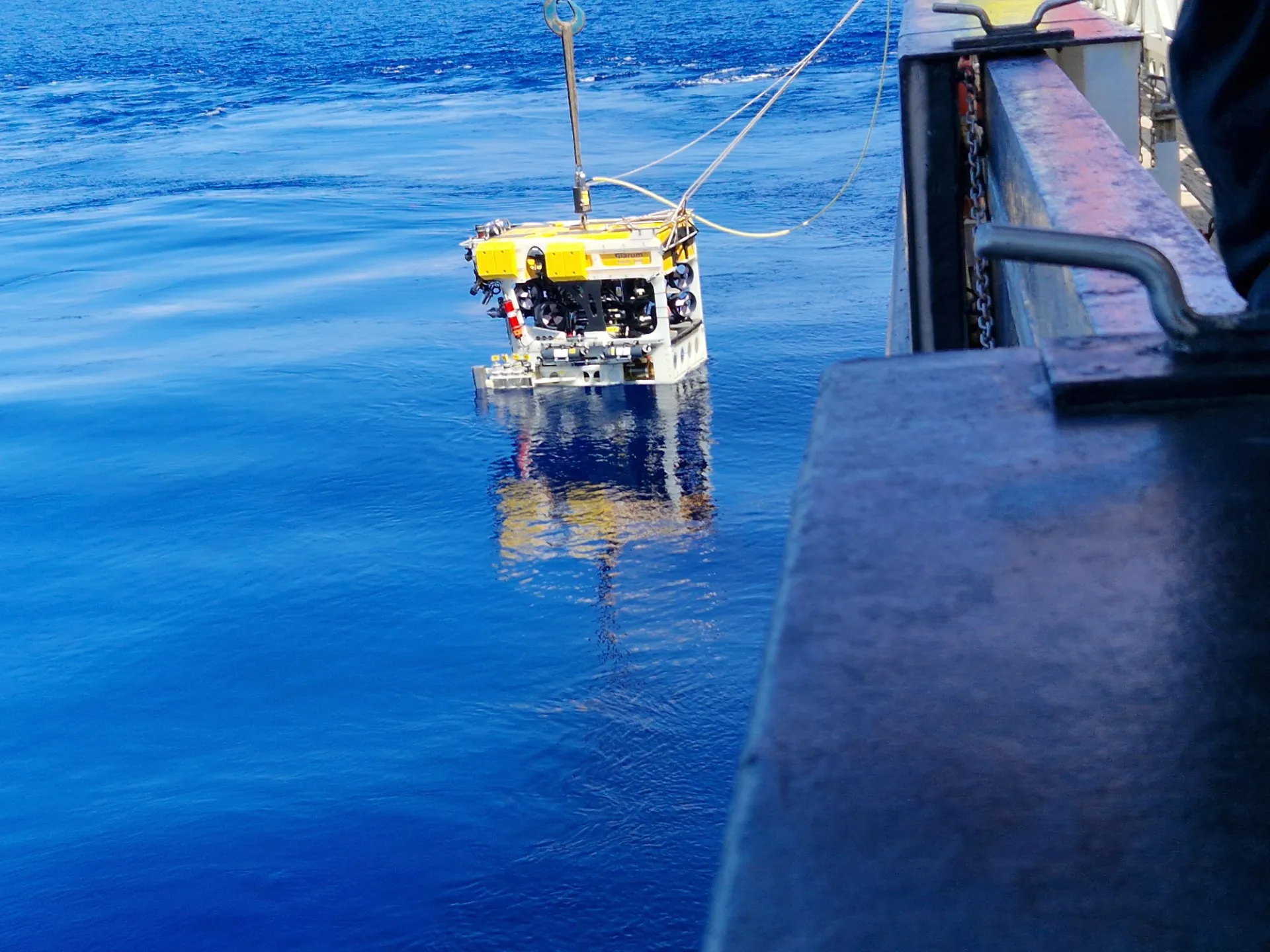
All scientists gathered in the conference room to watch the live video stream from the ROV. Then it was time to wait! Because the working site was so deep, and the ROV is lowered by a winch, it takes time to reach the seafloor. With the many small particles (marine snow) whizzing past the ROV's camera on the way into the deep sea, it feels a little like we are travelling in space. And the first glimpse of the seafloor and the touchdown of the ROV is a bit like landing on the moon. Once the ROV reached the seafloor and started the dive, we soon observed the first cold-water corals - so the area looked very promising!
The ROV dived along the volcanic slopes and around huge boulders, and we were able to collect the first deep-sea samples, such as various species of corals and sponges. We were all very impressed by how quickly and precise the ROV pilots were able to carefully pick up even very fragile organisms with the robot-like manipulator of SQUID and to stow them safely in the newly designed Rotary Sampling Box (Thanks Tom!).
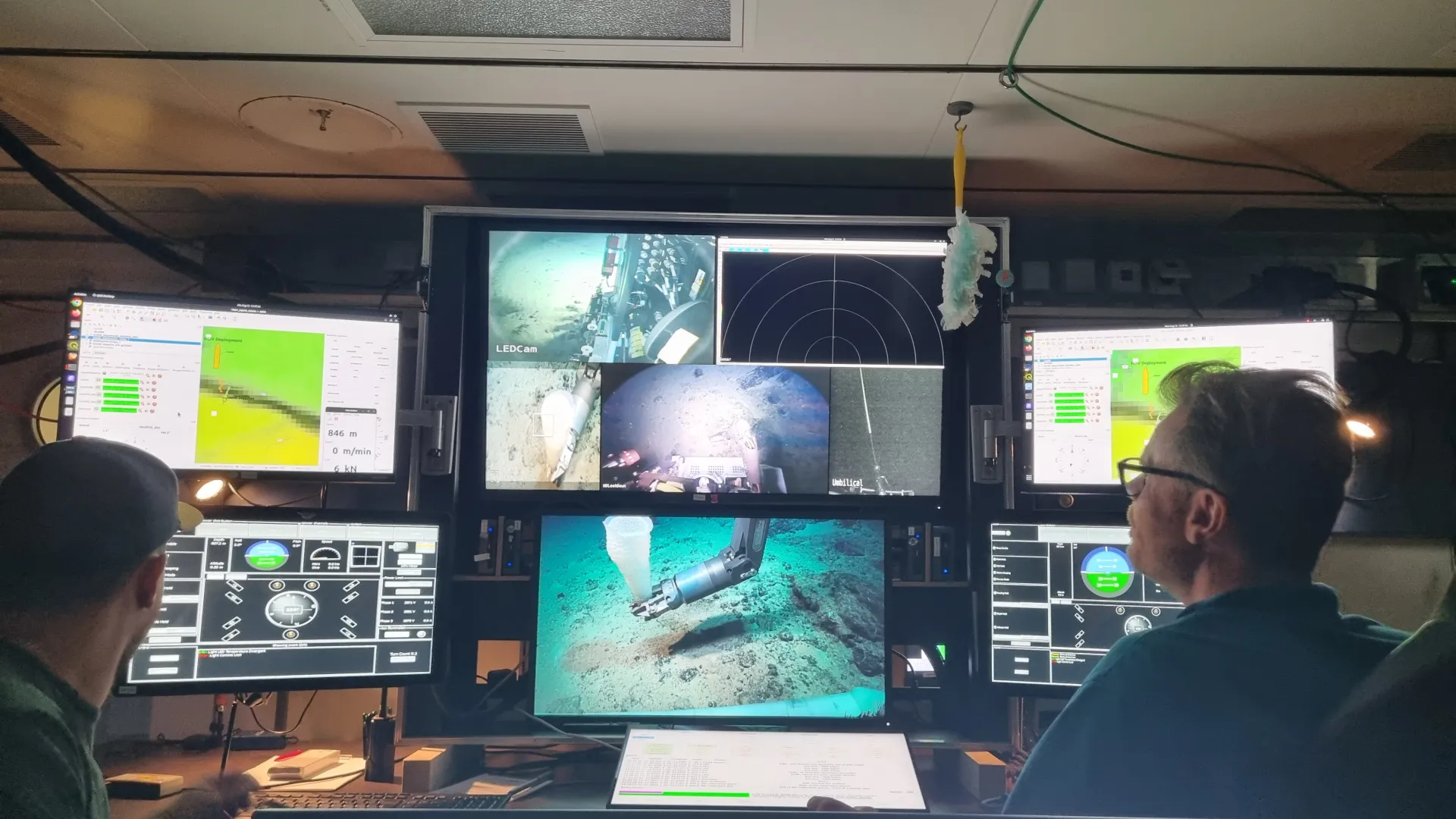
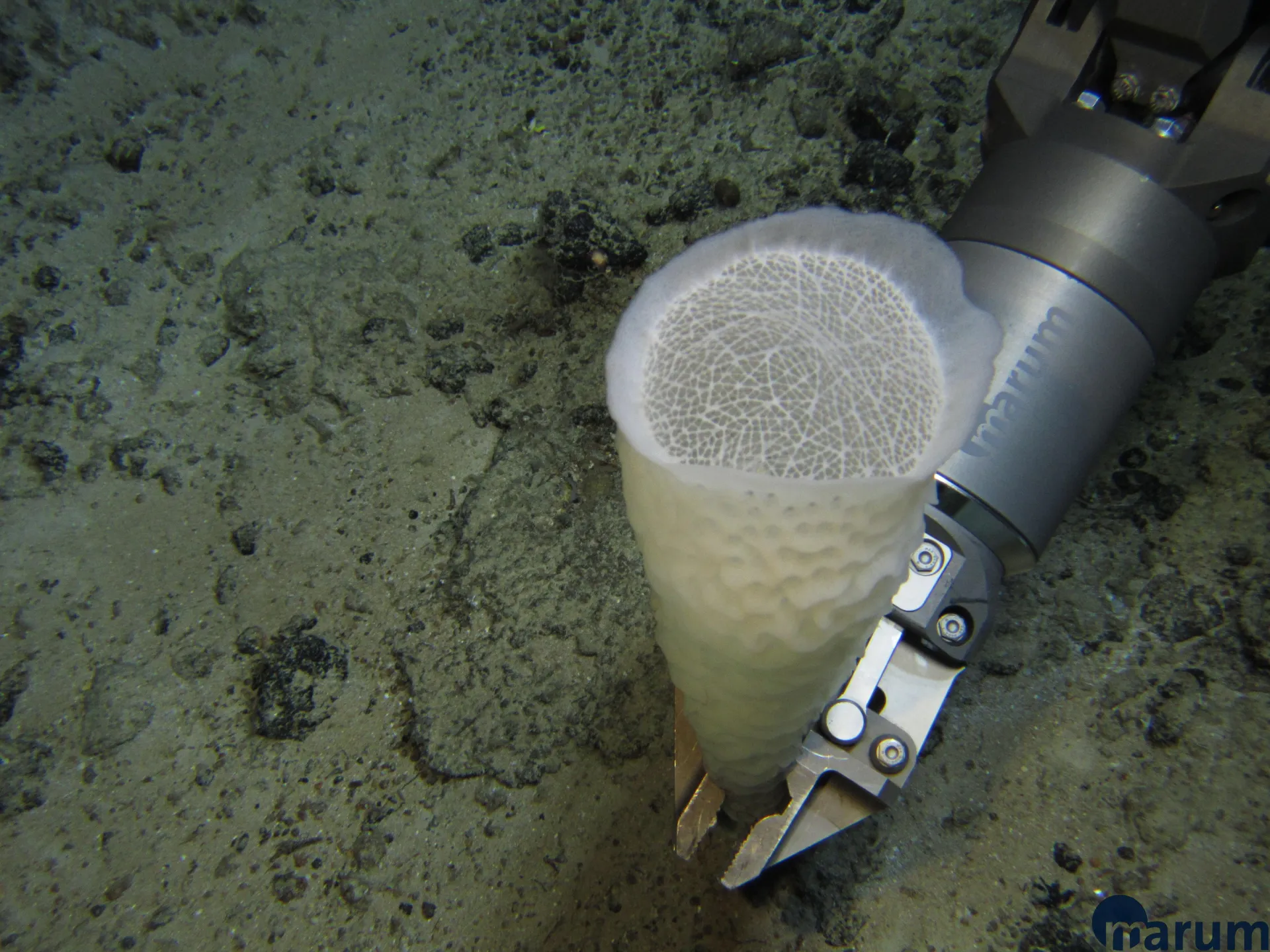
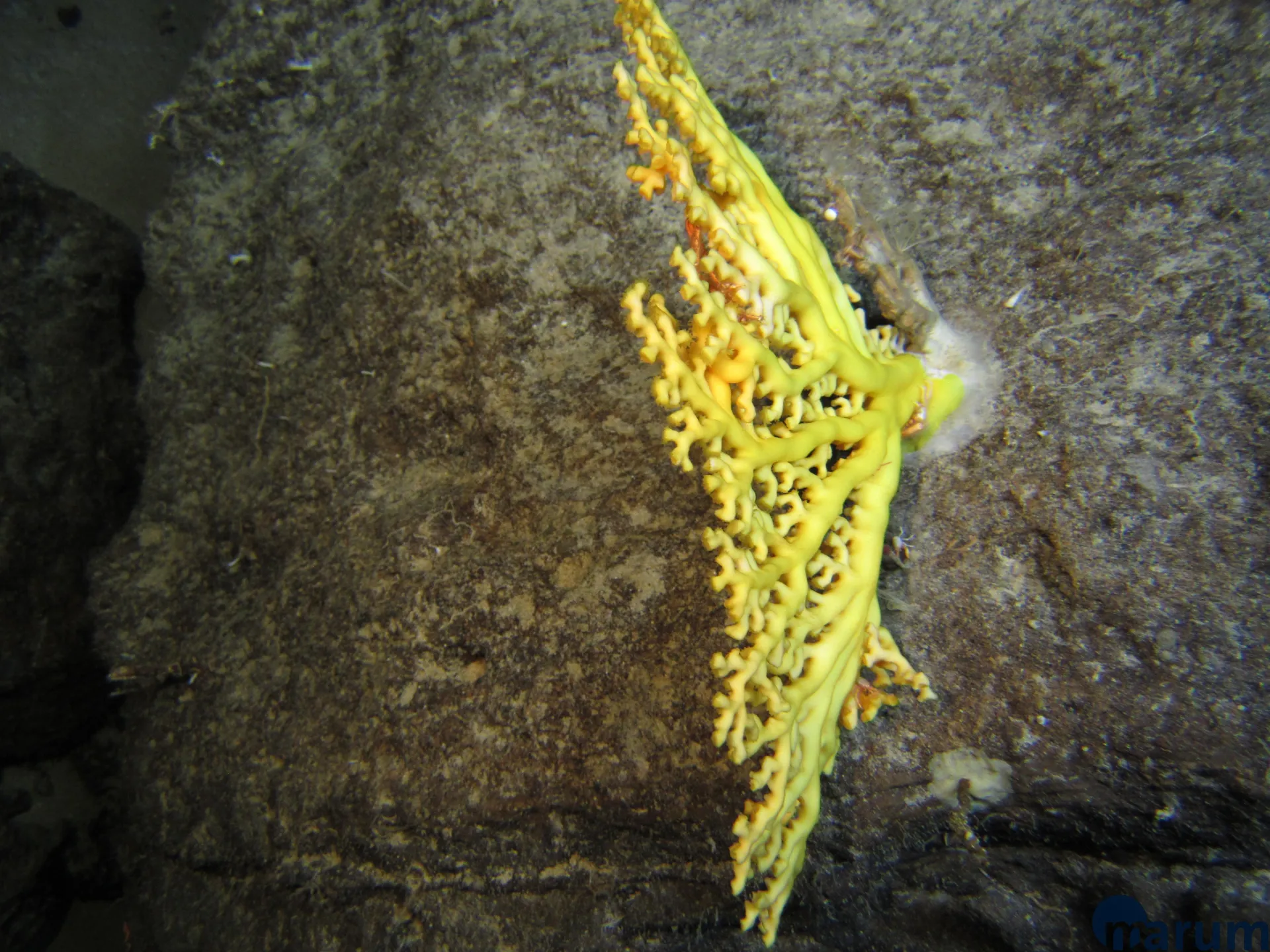
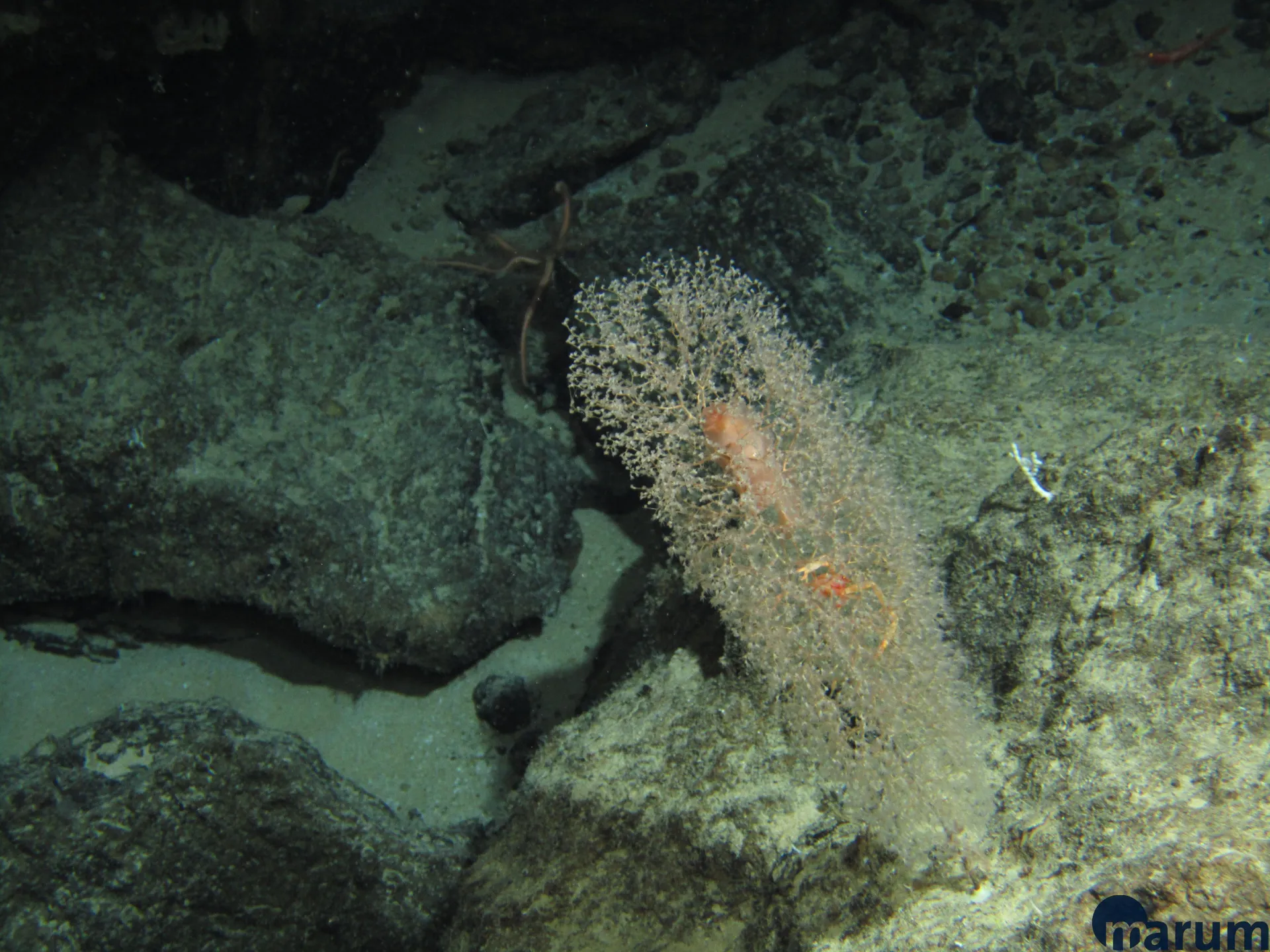
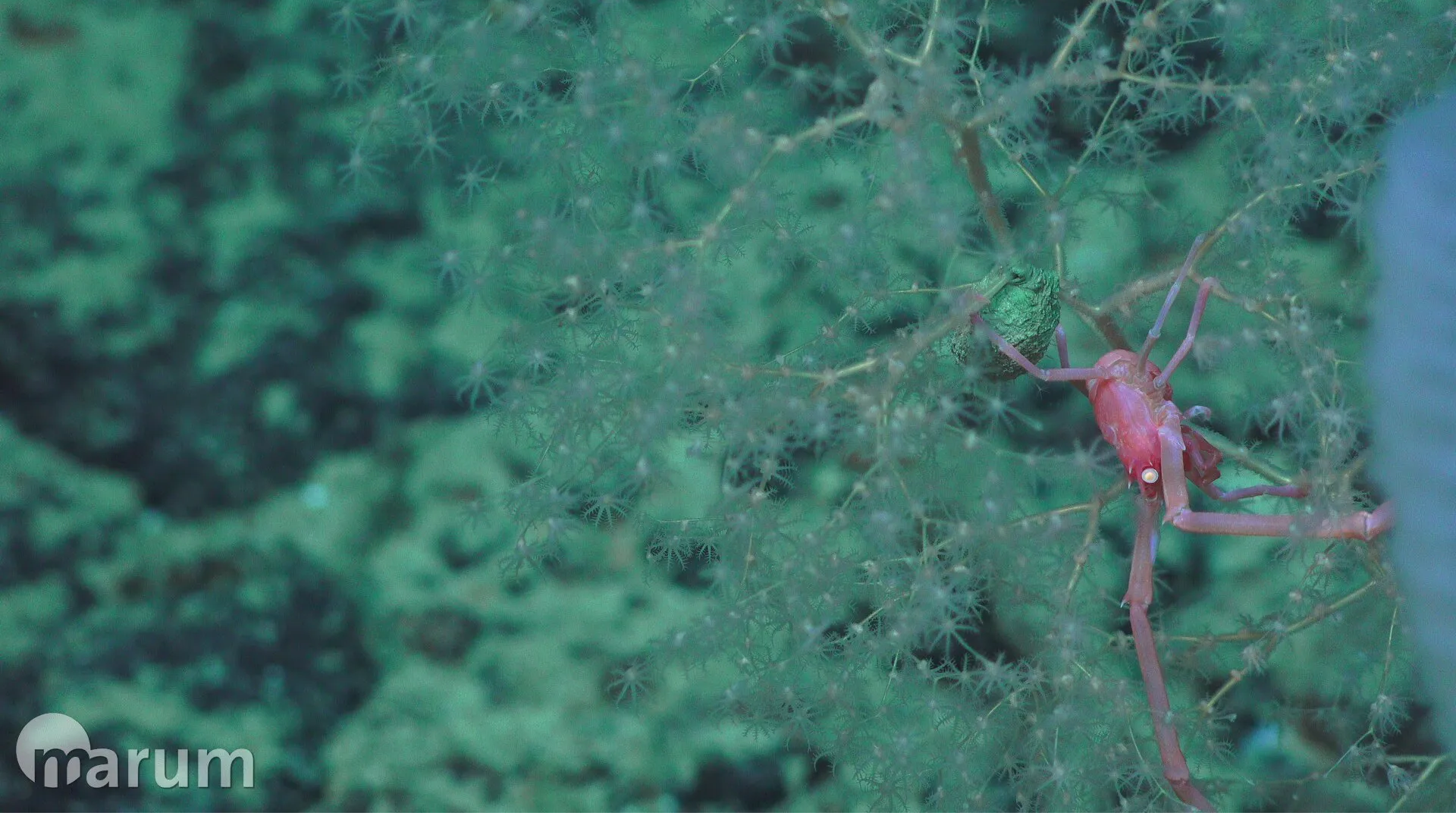
Interestingly, almost all the cold-water corals we saw had at least one crab or squat lobster living with them. This observation is a textbook example of how corals are so-called ecosystem engineers and, like trees on land, provide a home for many other species. This is why these ecosystems are also known as “Marine Animal Forests”. One of the sampled corals is currently living in an aquarium on board and it is planned to do some experiments later during the expedition. Many of the species we sampled could not be identified to a species level in the first place and may even be unknown to science. Stay tuned for the next ROV dives!
August 17: African and European scientist and technicians on board Sonne
After a few days on board, we start to familiarise ourselves with each other and learn a lot about what the different groups are doing. This expedition is not only multidisciplinary in character combining the disciplines of geology, biology and oceanography, but also very international as our research team includes scientists and technicians from various African and European countries: (in alphabetical order) France, Germany, Italy, Mozambique, the Netherlands, Russia, South Africa, Spain, Switzerland, and Tanzania.
Our planned work focusses on the continental margins off Tanzania, Mozambique and South Africa and scientists from these countries have been invited to contribute to the success of the CoWIO expedition with their specific knowledge on these regions, which is a very valuable addition. Saleh and Peter (Deep Sea Fishing Authority (DSFA), Zanzibar) are joining the expedition from Tanzania. They are experts in fisheries biology, which will be a great help in identifying the fish fauna of the southwest Indian Ocean from the ROV video footage. Ceiça and Rosario are from Mozambique (Oceanographic Institute of Mozambique (InOM), Maputo). Ceiça is a planktologist and, together with Dierk and Malte, she is responsible for running the multinet - a gear used to sample zooplankton at different depths in the water column. Rosario is an expert on the ecology of shallow-water corals from Mozambique and he is particularly interested in gaining new insights into the diversity of Mozambique's cold-water coral communities. Zoleka from South Africa (Department of Forestry, Fisheries and Environment (DFFE), Cape Town) is a deep-water coral taxonomist, which is an absolute stroke of luck for an expedition like this, where corals are among the “main stars” of our work.
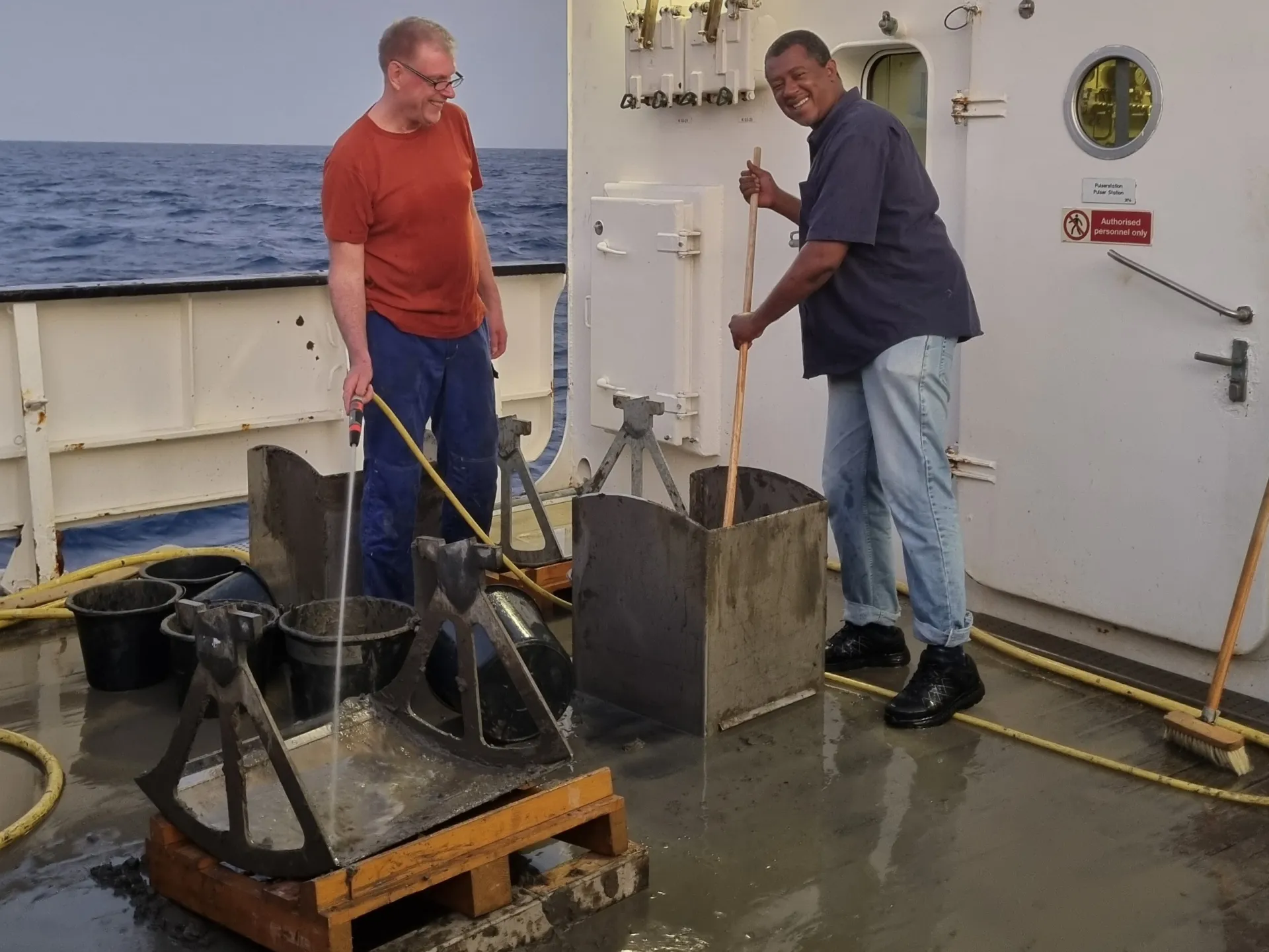
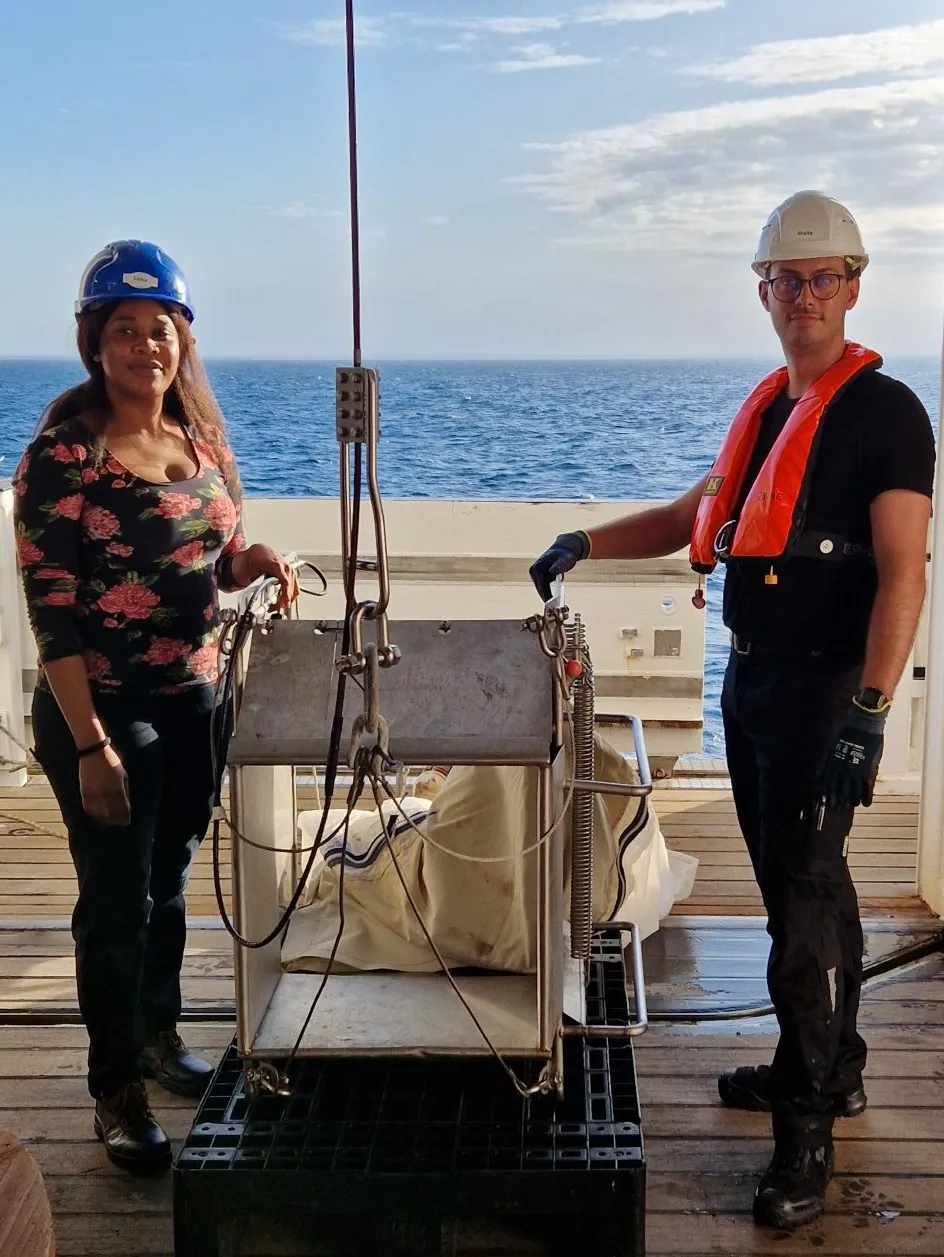
Having colleagues from Tanzania, Mozambique and South Africa on board, to share their knowledge from the East African waters with us, is a fantastic opportunity to strengthen the already existing cooperation and to establish new ones. The same applies to the other international colleagues who are contributing their expertise to our expedition. From its very beginnings, research has been based on the exchange of ideas (both written and spoken) at an international level. A paramount example is the more of 15,000 letters that Charles Darwin exchanged with colleagues, friends and family members about his ideas, thoughts and theories, and it is assumed that this active exchange of ideas contributed greatly to develop his theory of human development. Here on board, we have a great opportunity to exchange ideas and ways of working. The international character of the COWIO expedition makes it possible to share not only our scientific expertise, but also – due to the different cultural and social backgrounds – to share our different ways to live and see the world, which make this experience unique. After just a few days of intense sampling, we were already working together, sharing ideas, material and data, labs and of course…. sharing the breakfast, lunch and dinner breaks as well as informal chats. All this makes working on board very pleasant and enriching!
Cova & Claudia
August 18: Social dynamics - moustaches conquer the ship
It began with a full beard, which was trimmed into a moustache. A second one followed... And then the social dynamics so typical of a research vessel with many different groups on board set in. Suddenly, more and more people wanted to join in: full beards were trimmed, new moustaches grew...
The 69 members of the nautical and scientific crew included a considerable number of motivated ‘sea bears’ for this special ritual. One of the reasons for this willingness is that there is a good chance that (almost) all traces of this ritual will have disappeared by the end of the expedition - if desired. For now, the more or less successful moustaches are a source of smiles when people meet in the ship's narrow corridors.
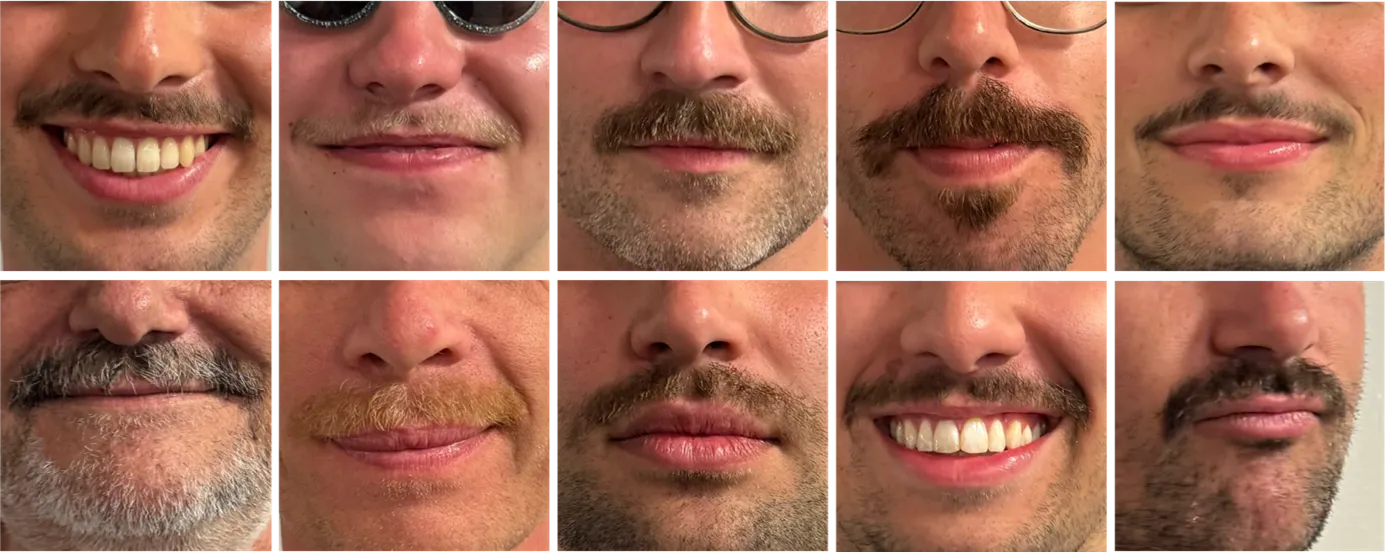
Obviously, the CoWIO expedition offers not only scientific challenges, but also a very special social environment that characterises life on board the research vessel SONNE. In the midst of ROV operations, water column measurements and seabed sampling, socialising is an important part for the success of such a research mission. And the urge to grow a moustache, which can be observed in all groups, is a good indication that cooperation on the R/V SONNE works extremely well.
Greetings from aboard the SONNE,
the sea bears (Malte, Finn, Tom, Guillem, Leo, André, Nico, Luis, Vincent, Fabian)
August 24: What is that?
The waters off Tanzania were to be our first working area with cold-water coral mounds. Such mounds consist of a mixture of sediments and coral fragments and allow us to trace the history of cold-water coral ecosystems back in time. We knew there were mounds here that looked like possible coral mounds, and there were corals. But then our initial data showed that the Tanzanian mounds we had detected in old survey data were landslide masses formed during a submarine landslide. Corals do grow on them, but unfortunately, we cannot use them to reconstruct the history of coral colonisation.
So, we kept looking ... And indeed, a night-time survey with the multibeam echosounder revealed a completely different kind of mound structure: 600 meters in diameter, 80 meters (!) high and at a water depth of app. 900 meters, which fits in well with the corals. What is this structure? There has been much speculation: is it also a slide mass? Or a ‘real’ coral mound? It could also be a mixture ... The excitement grew and everyone could hardly wait for the ROV MARUM-SQUID to show the first images from the seabed...
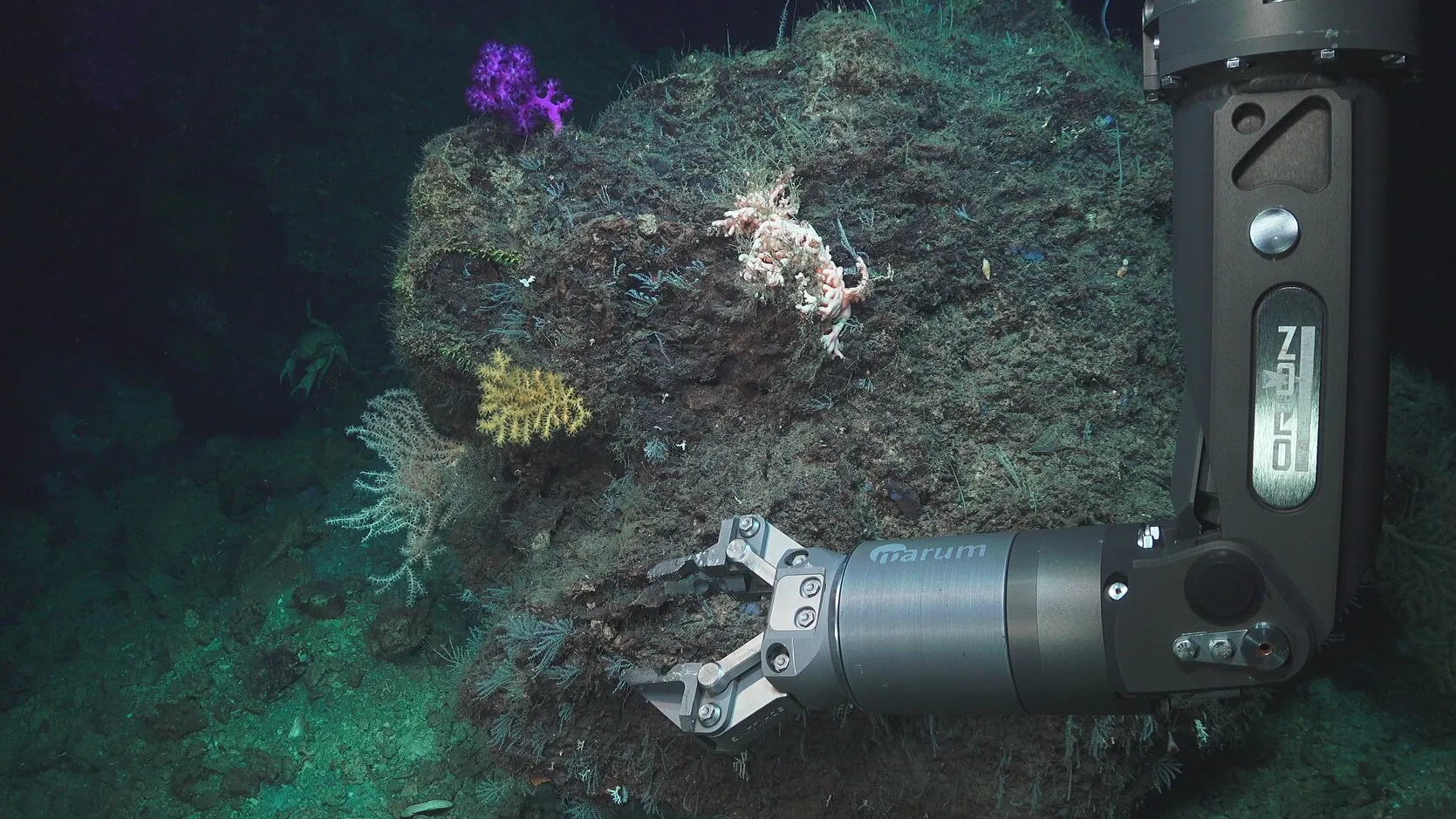
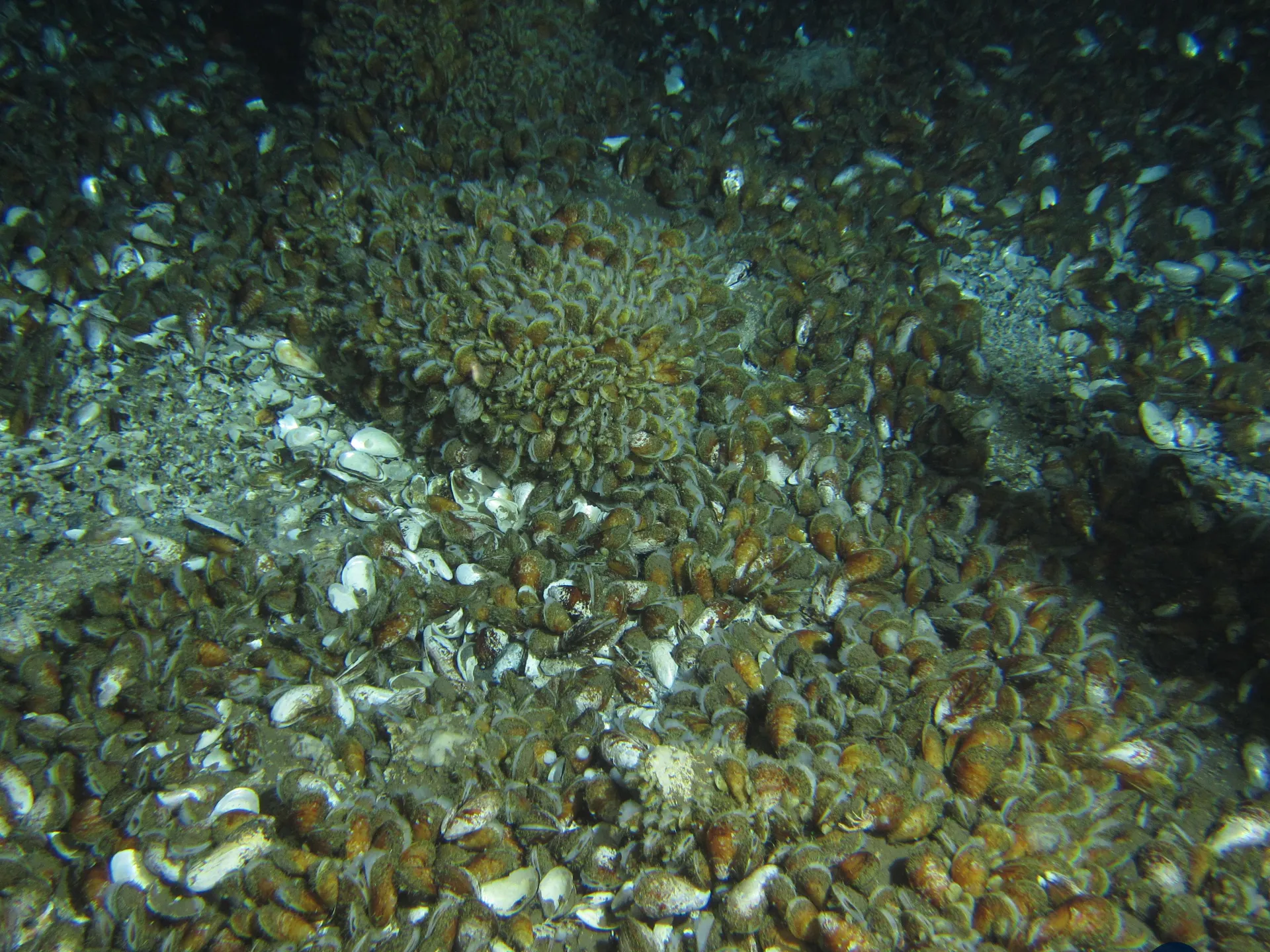
One thing quickly became clear: What we saw did not match any of our ideas ... Large blocks of rock were piled up more or less chaotically and for a moment we were at a loss. However, over the course of this and the next dive, we were able to put puzzle piece after puzzle piece together: we had discovered a mud volcano!
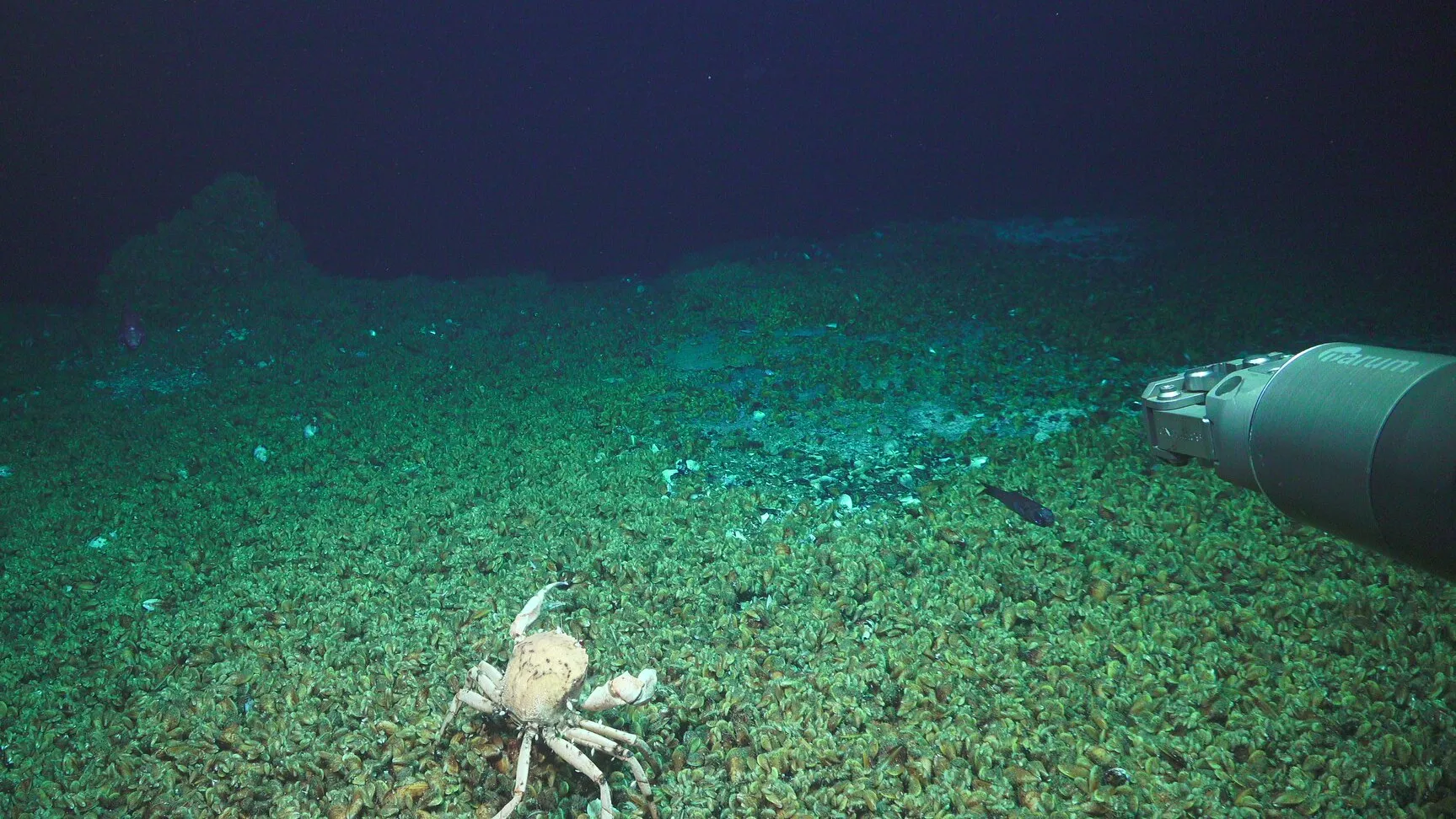
Such mud volcanoes bring ‘mud’ and rocks from great depths to the earth's surface (which in this case is the sea floor). Fluids and gases also come up with this mud, forming the basis for another exciting deep-sea ecosystem: Bacteria utilise these gases for chemosynthesis and then live in symbiosis with larger organisms, such as mussels, snails and crabs. And it was not least the large fields that were densely overgrown with mussels that put us on the right track. When these appeared on the screen for the first time, the astonishment was great – as well as the excitement!
No one had ever described such a structure off the coast of East Africa before. Now, at the latest, this research expedition became a voyage of discovery!
August 25: In the walking encyclopaedia lies a child filled with curiosity!
The minds of the ocean science experts onboard the SONNE are true walking encyclopaedias of knowledge, yet, there still is a living child brimming with curiosity in these minds. But let's keep that between us!
From the kids who once played with sand and mud on the playground to those scientists, who keep snails and worms as pets in carefully constructed glass tanks, these senior researchers, who have dedicated most of their lives to uncovering the secrets of deep-sea corals, are simply reliving their childhood passions. From where I stand, there's no better place to see this come to life than in the western Indian Ocean.
What started as a rough sketch for a research project has now come to life in vivid detail on this expedition, revealing the untold story of this lesser-explored part of the ocean. With multibeam maps capturing the seabed in unprecedented resolution and intriguing anomalies that beg for closer inspection with an ROV dive, the narrative of this ocean region is unfolding in thrilling ways.
Today's discovery dive brought both the teachers and students to the same level of excitement and curiosity. What began as a simple exploration of a boulder-strewn seafloor quickly transitioned to the discovery of large beds of bivalves, dotted with patches of colourful corals that were occasionally visited by deep-sea fish. Safely seated in the conference room onboard the SONNE, we virtually accompanied the ROV on its "hike" up steep rocky outcrops, uncovering more bivalves and even microbial mats along the way. During this multi-hour dive, it was impossible to miss the unique exchange of knowledge and the shared astonishment on everyone’s face as we collectively uncovered the secrets of the deep.
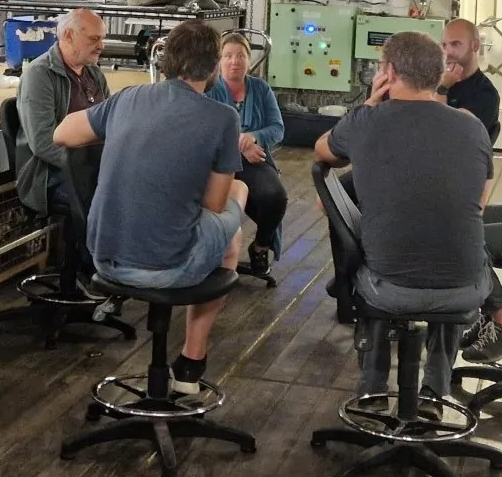
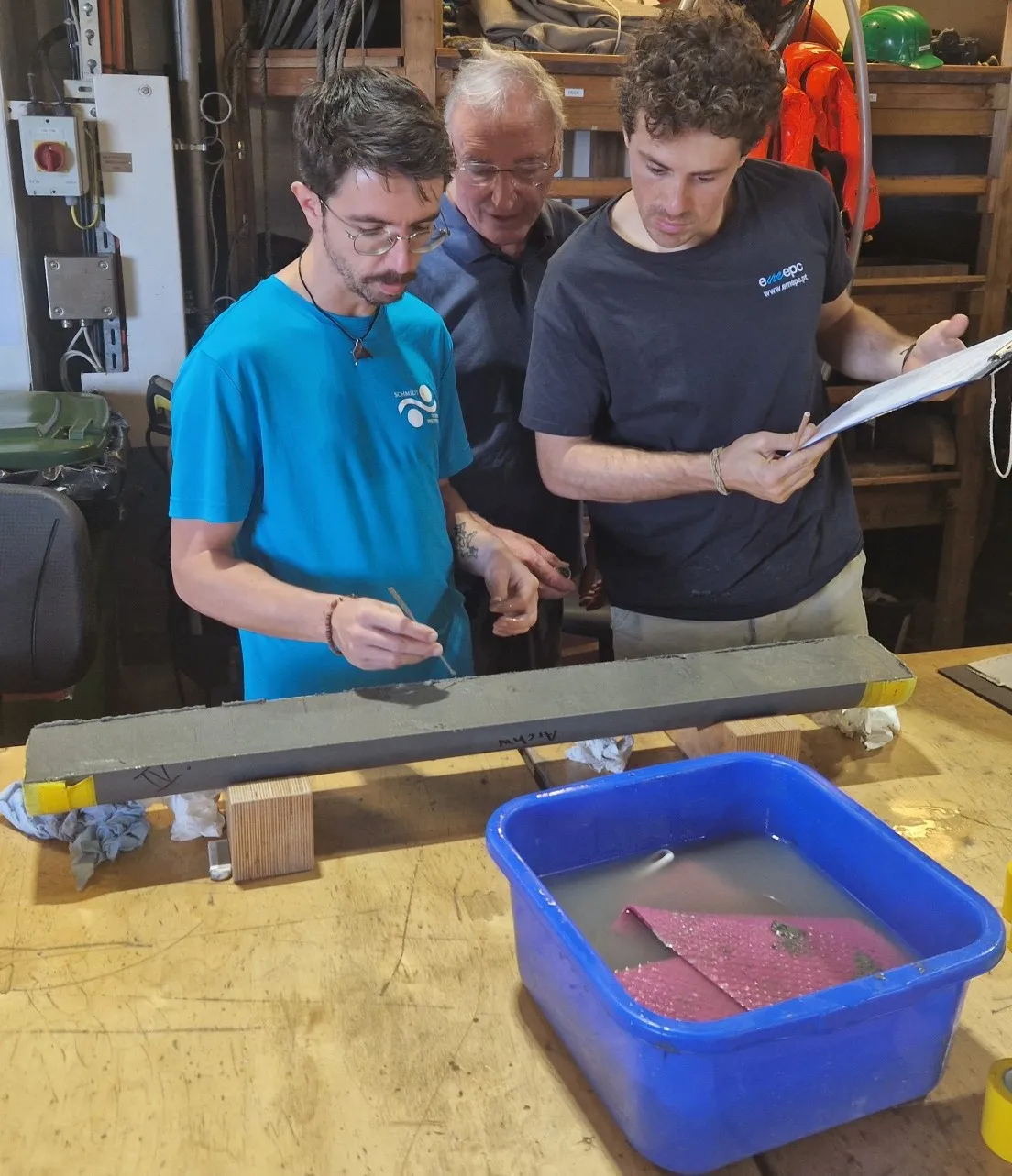
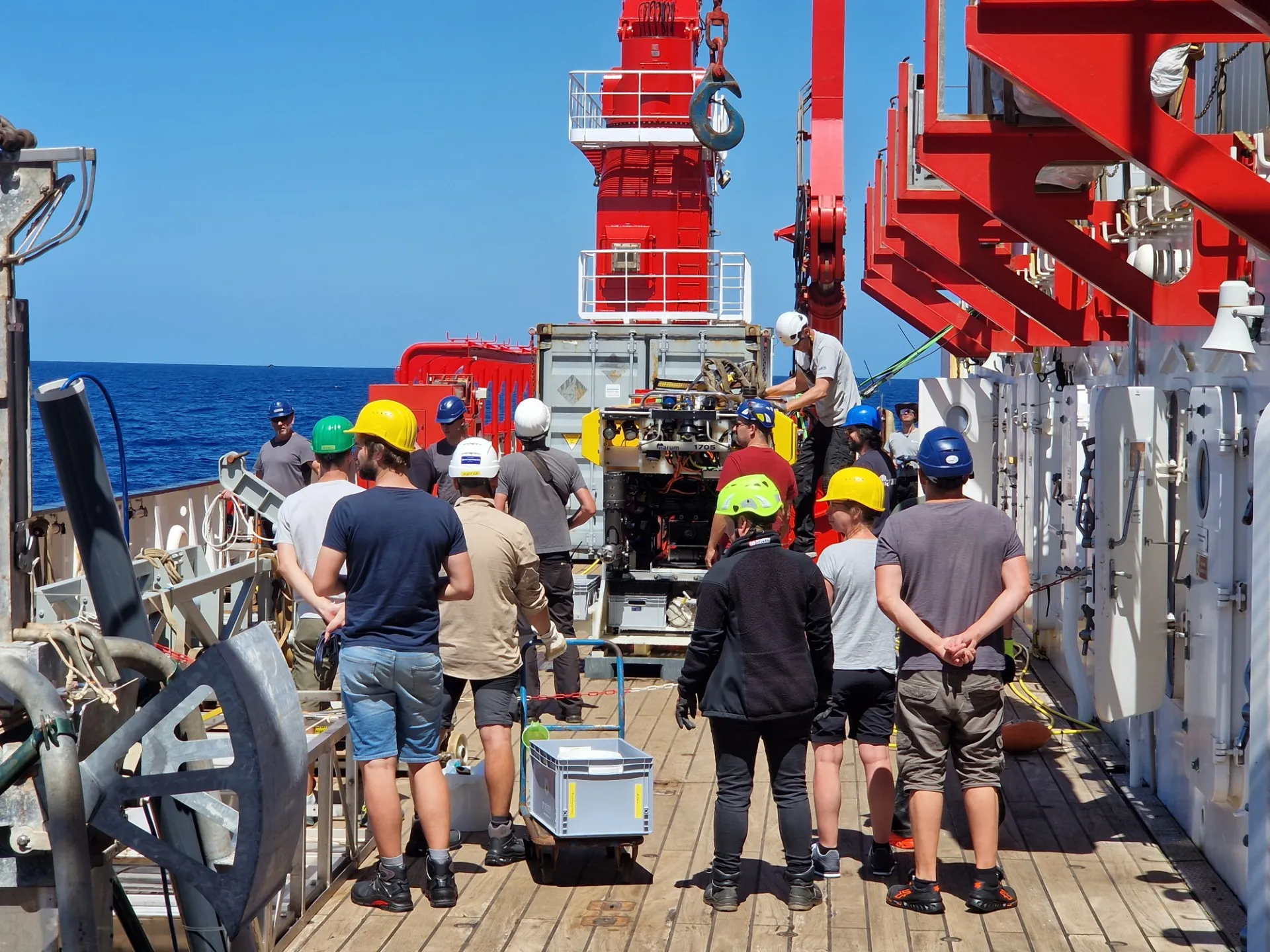
But the sampling isn't over yet; more tools are being deployed to learn even more about the structure we've just glimpsed. First, though, we eagerly jump into action, putting the ROV sampling workflow into play. As we stand on deck, hard hats on and steel-tipped boots firmly in place, there's a shared sense of anticipation. The endlessly inspiring ocean, holds so many mysteries. And if our luck holds, she might just reveal a few more of her secrets to us!
As we conclude this remarkable journey, it will become evident that the experienced and the young scientists aboard the SONNE are true explorers, driven by the same curiosity that first led them to the ocean. In the western Indian Ocean, their lifelong passions aren't just being rekindled; they're being shared with the next generation, ensuring that the ocean's mysteries will continue to be revealed for years to come.
Zoleka
August 26: A day in the sea
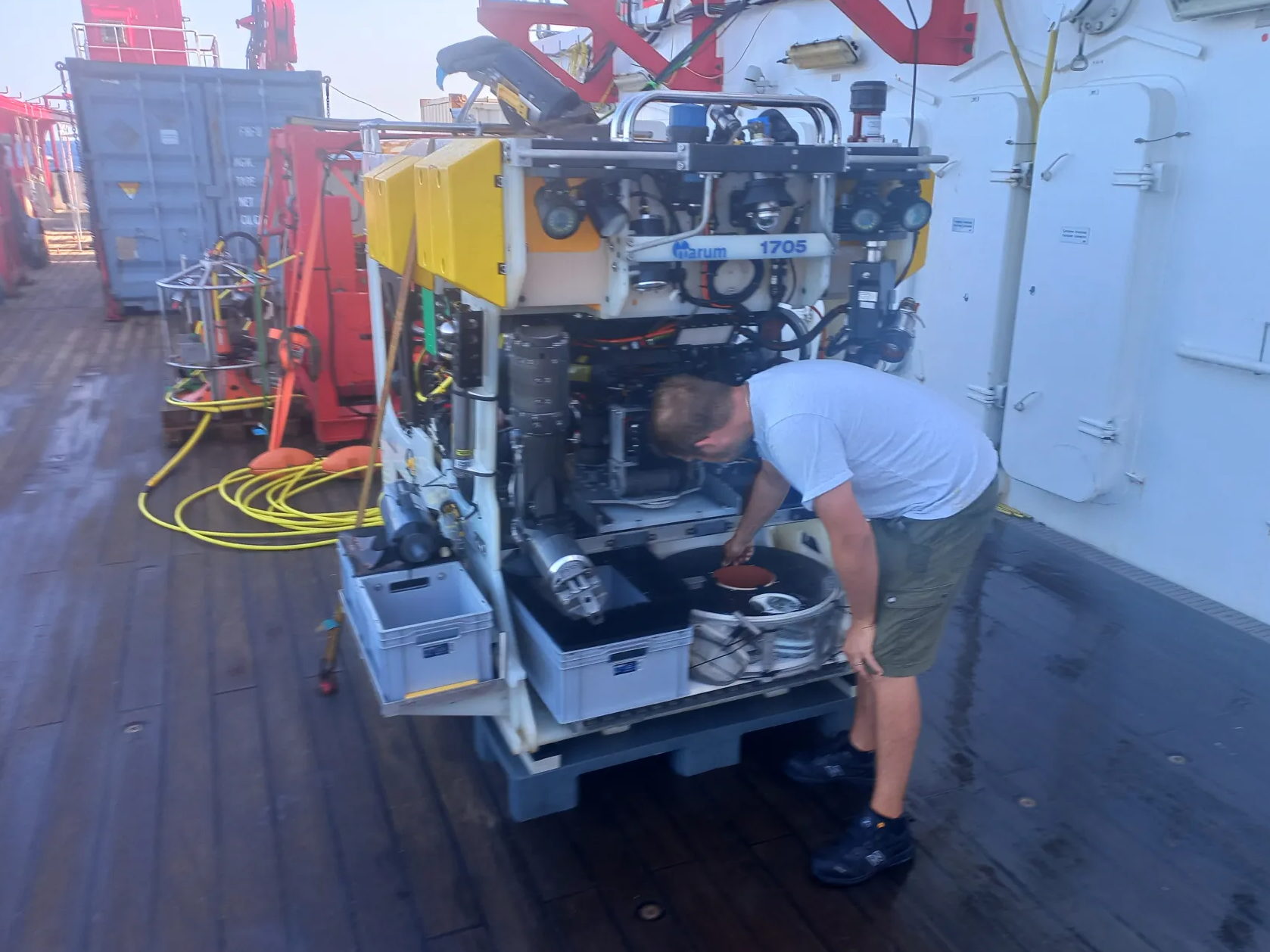
Early in the morning at 06:00 am, the four team members (Nico, Tom, Vincent and Siefke) of the remotely operated vehicle ROV MARUM SQUID gather for the so-called "pre-dive check". During the pre-dive check, all components of the system, such as the cameras, lighting system and propellers, are checked and tested for full functionality. The pre-dive checklist is around 10 pages long and the check takes approximately 1.5 hours - only then the system is ready for deployment. Shortly before launching, the current weather situation is discussed on the bridge with the officer on watch and, if necessary, the ship's position is adjusted.
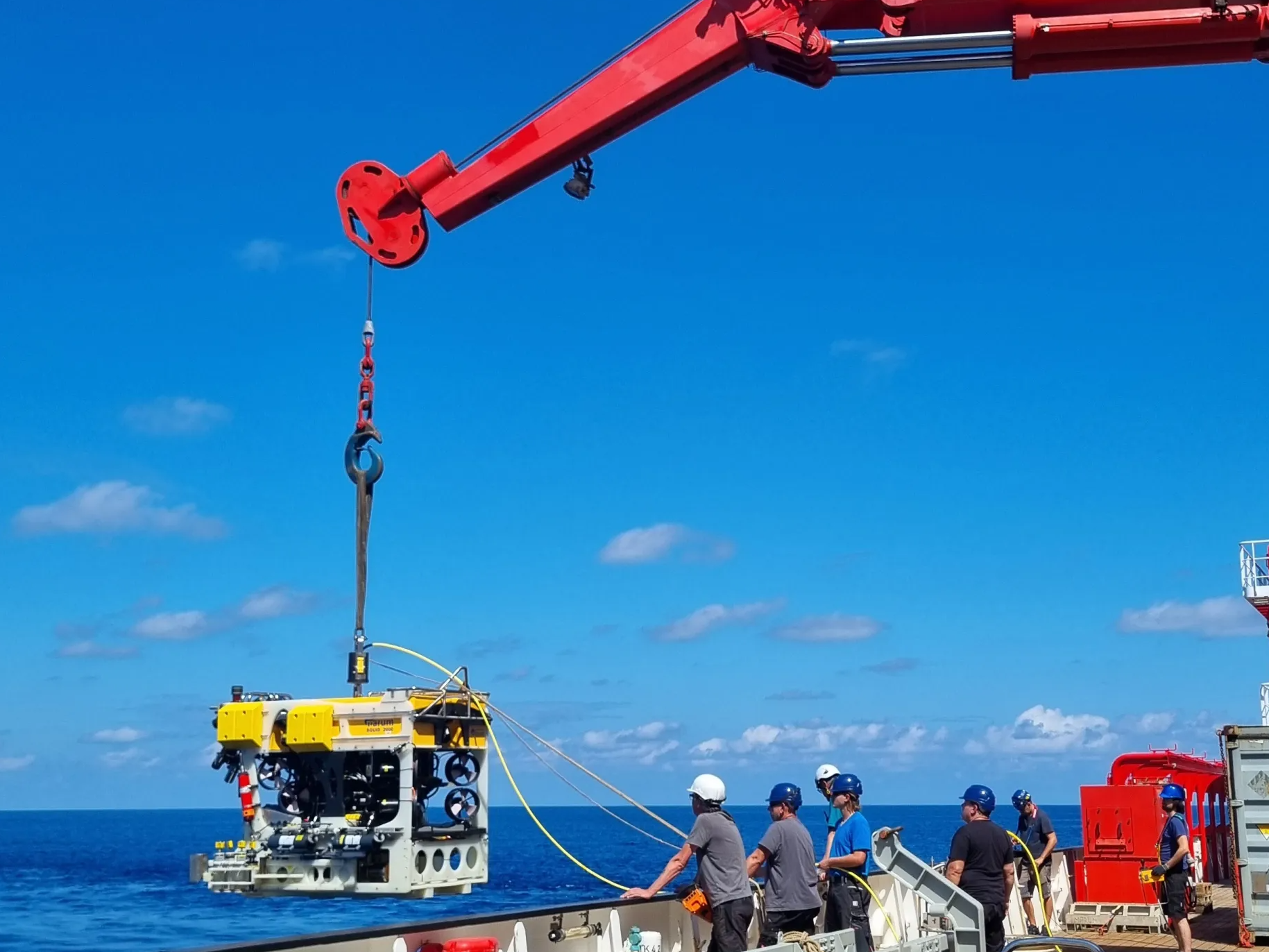
Once the ship is on station and the ROV is ready for deployment, the navigators, ship's mechanics and the ROV team must work hand in hand. Launching is a manoeuvre in which all steps are carried out in a set sequence. Everyone on deck and on the bridge must know exactly what to do and when to do it so that everything runs smoothly and safely. The ROV is lowered into the water with a crane and first sails across on the surface about 40 metres to starboard. From there, the ROV spirals down into the depths with its propellers. At a water depth of 1000 m, the ROV needs about one hour to reach the seabed. On its way into the deep sea, the pilots are still among themselves in the control room and constantly monitor the vehicle's systems. The ROV MARUM SQUID is always operated by a pilot and a co-pilot. The pilot ‘flies’ the vehicle, while the co-pilot controls the cameras or collects the samples with the manipulator. A third team member operates the winch on deck, on which the 2000 m long supply cable is wound.
Once the starting point of the dive has been reached on the seabed, the three scientists (André, Claudia, Saskia) enter the ROV control laboratory and the scientific part of the dive begins. As not all the scientists involved in the dive have space in the small control laboratory, these three are in contact with other researchers in the conference room via a VoIP connection. Just like in the control lab, the navigation map and the video camera are displayed on screens there. This allows the scientists to coordinate their activities. The scientists instruct the pilots, which points on the ground to head for. The map of the seabed created overnight with the multibeam echo sounder helps with this. This was already loaded into the SQUID's navigation computers during the pre-dive check and can be used in a similar way to Google Maps. During the dive, the exact positions of the SQUID and the ship are displayed as small symbols on the map.
Visibility on the ground is around 10 meters. If an object of interest, such as a sponge or coral, appears on the horizon of the spotlight, it is ‘flown to’, photographed, collected with the manipulator and stowed in one of the sample containers installed on the vehicle. After 5-6 hours on the seabed, the dive ends and the ROV returns to the ship. Theoretically, the robot can remain in the water as long as it is supplied with power from the ship. The limiting factor here is the human. The pilots swap over every two hours because the highly concentrated work, even over a supposedly short period of time, is very strenuous. It's not just about collecting good samples or taking nice pictures, but also about constantly keeping an eye on navigation and vehicle safety.
But the dive is not the end of the day. Sometimes something has to be repaired afterwards or prepared for the next dive. The IT specialist in the team still has the task of downloading camera images and saving all video and navigation data to hand these over to the scientists.
The best moment after a dive is when the ROV is safely back on deck and the scientists collect their samples. This is always a highly motivating moment. It's not just the vehicle technology that is inspiring, but also the experience of diving down into the fascinating deep sea together with the researchers and discovering new things.
Nico (head of the ROV team)
August 28: Seafloor Mapping – the heart of our expedition
So far, no one has written about our hydroacoustic laboratory. Now that the SONNE is on a two-days transit to our next working area on the continental margin of Mozambique, we can rest a little and plan our investigations in this new area. I thought it would be a good time to tell you about our work.
Do you know what ‘hydroacoustics’ actually means? In Greek language ‘hydro’ means water, and ‘acoustic’ is ‘for hearing’. This means, that in our lab we study how the sound waves propagate through the water column. We use a multibeam echosounder system (MBES) that gives us information about the distance (travel time of a sound wave) between the sea surface and the seabed (water depth) and thus about the seafloor morphology. Working with another frequency allowing sound waves even to penetrate into the seabed, the Parasound sub-bottom profiling system provides also data about the structure of the sediments beneath the seafloor.
Seafloor mapping is the first thing we do when a ship comes to a new working area, because without a good high-resolution seafloor map we cannot find coral mounds and other interesting seabed features like submarine channels and mud volcanoes. Soon after mapping, the mapping team consisting of Evgenia, Alissa and Gregor discusses the features they have found during the survey. Based on this information, the chief scientist Dierk plans the locations for subsequent ROV dives, lander deployments and sediment sampling.
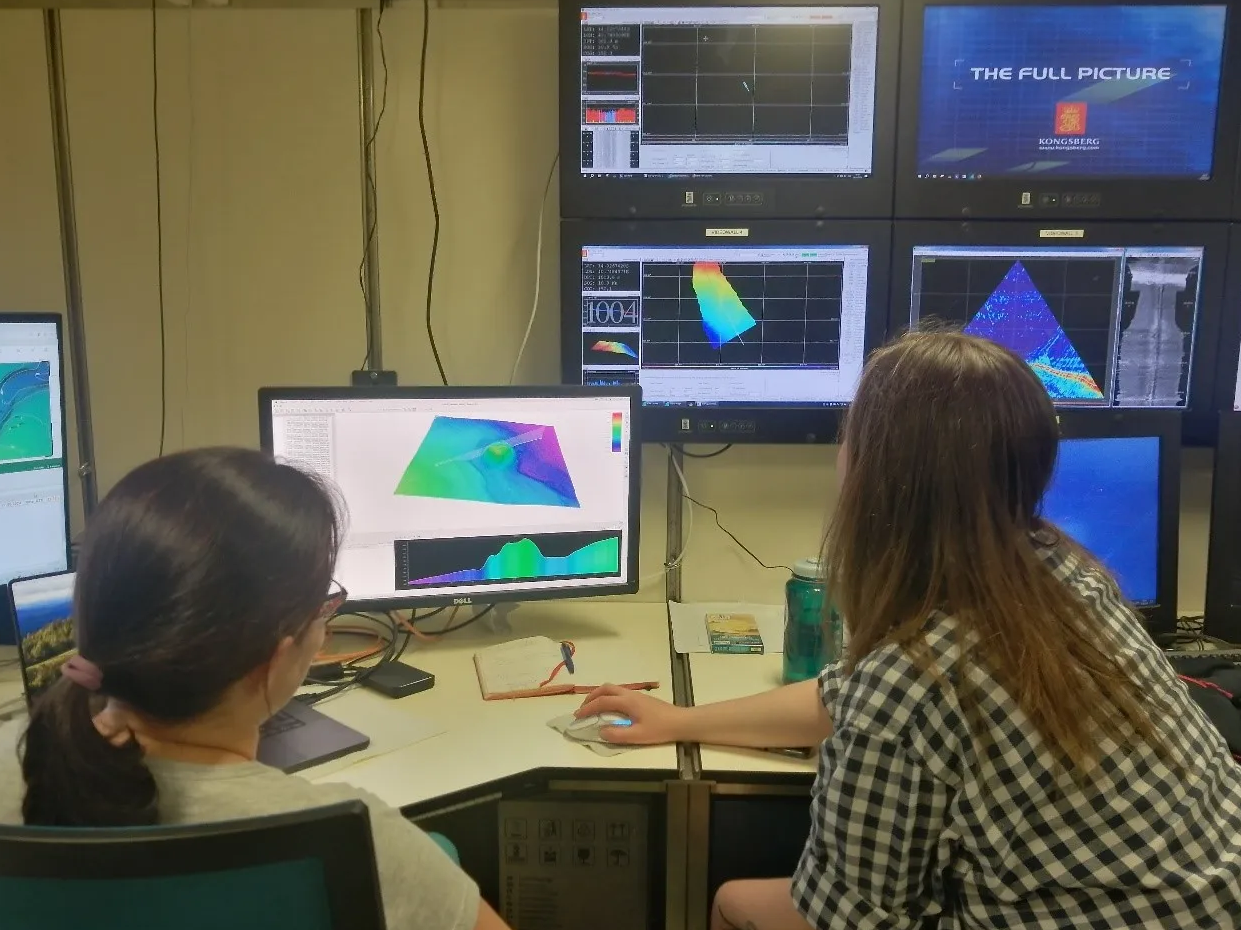
Hydroacoustics can also be used to measure the velocity and direction of currents in the water column by using an ADCP (a device for measuring currents based on the Doppler effect), which is my task here on board. The water column is usually not homogeneous, there are different water masses with different current velocities and directions. This is important information for science, but also for the planning of the work during our expedition. For example, the ROV dive can only take place if current velocities are below 2 knots, otherwise the deployment of the ROV becomes too risky.
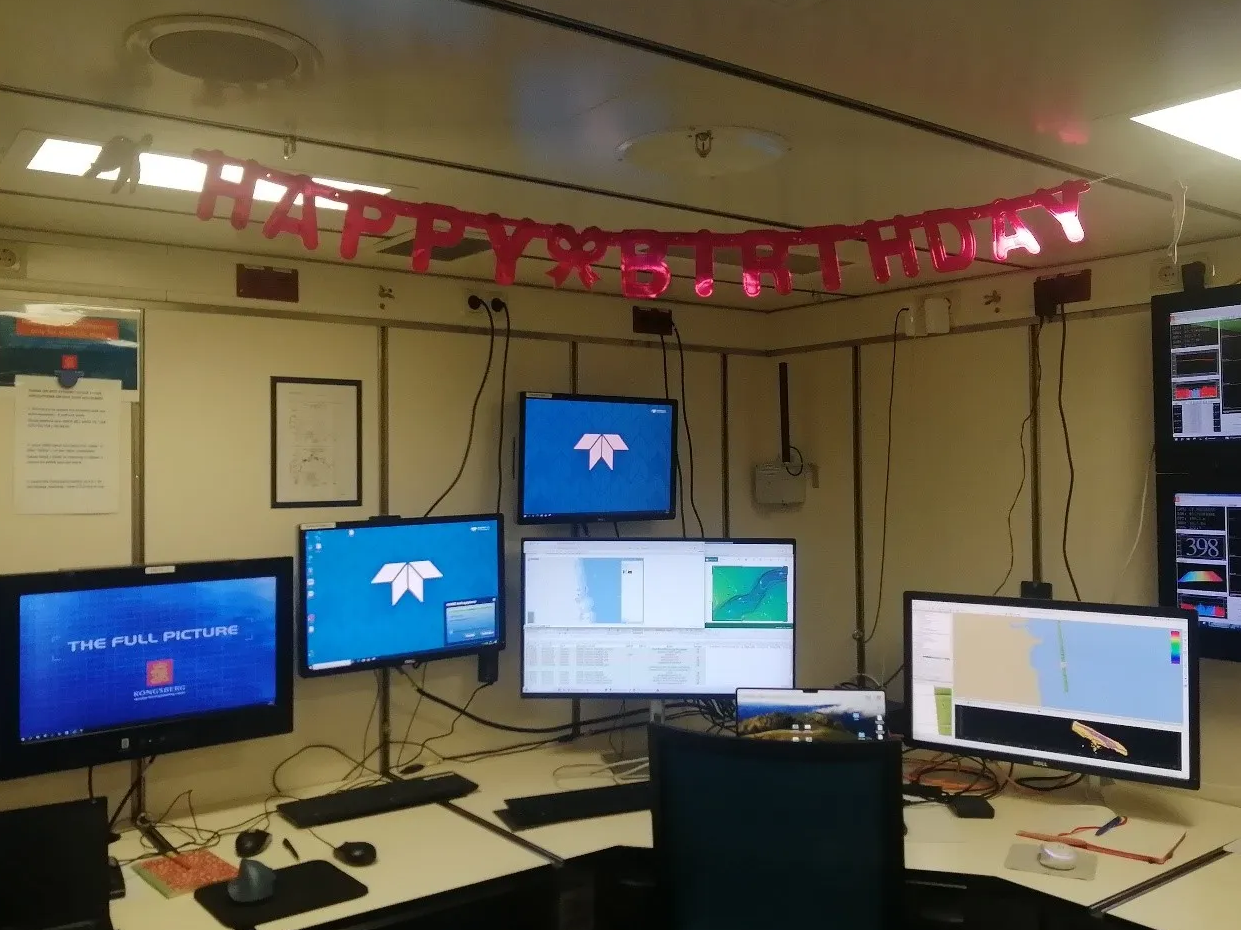
The people, who do the mapping, often have to work night shifts, because that’s the usual time for mapping as many of the other devices can only be deployed and handled during day time. And for this reason, the members of the hydroacoustic team often have less chance to exchange with the other people onboard and a more irregular sleep rhythm.
Nadezhda
August 30: Creatures of the Deep Western Indian Ocean: From Creepy to Fashionable
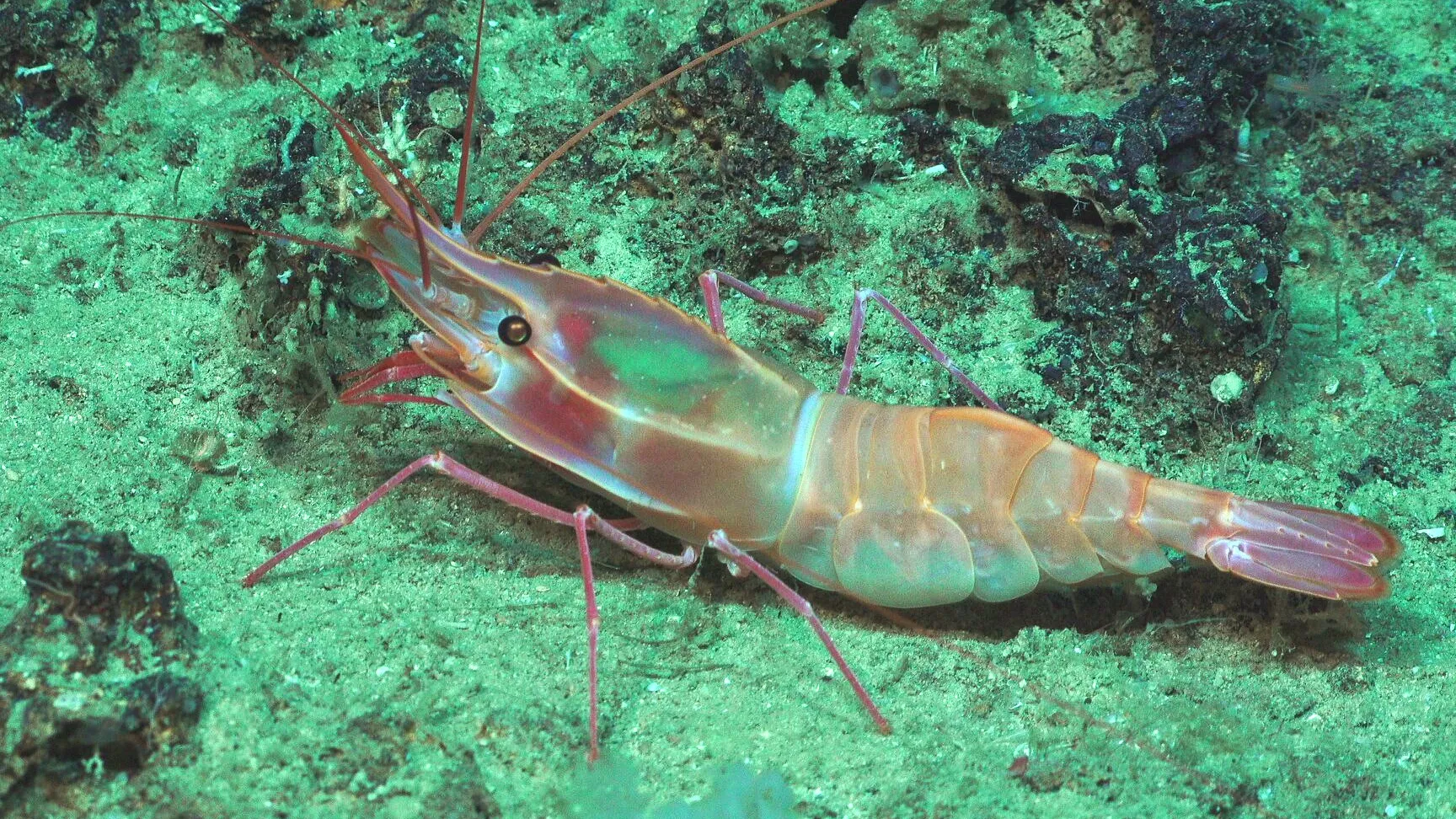
Although this is an expedition that mainly focusses on sessile animals like corals and sponges, we have encountered so many more creatures during our ROV dives, just by coincidence. While the sessile species depend on food being delivered to them through ocean currents, this blogpost is about creatures that swim, float, crawl or walk – some more graceful than others:
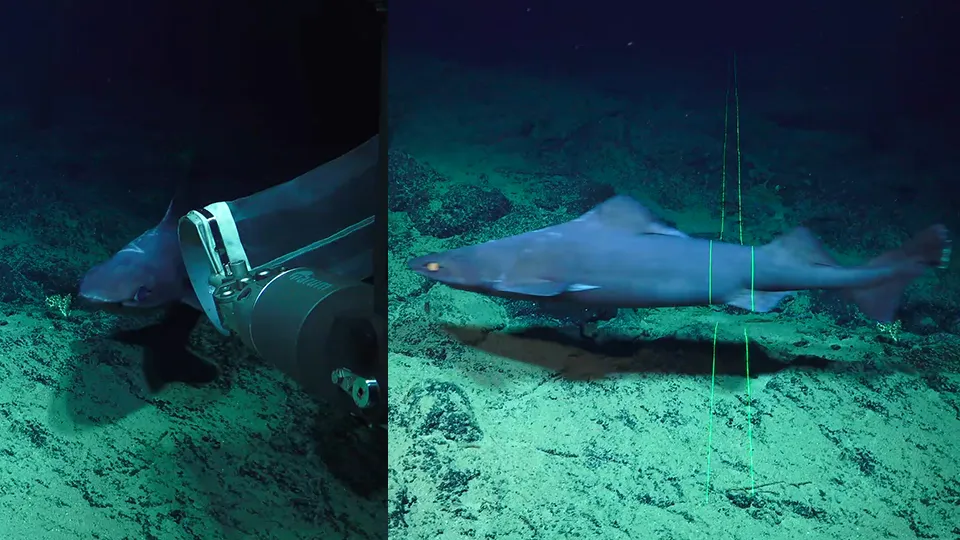
First of all, we have already had a few curious deep-sea sharks that came close to check out the ROV, a rather uncommon visitor to their habitat. We also met some chimeras, which are ancient relatives of sharks swimming in the world’s oceans for 350 million years. When looking at the screen, watching the live stream of the ROV, it can be quite intimidating to see a creepy dark shadow appear and come straight towards you!
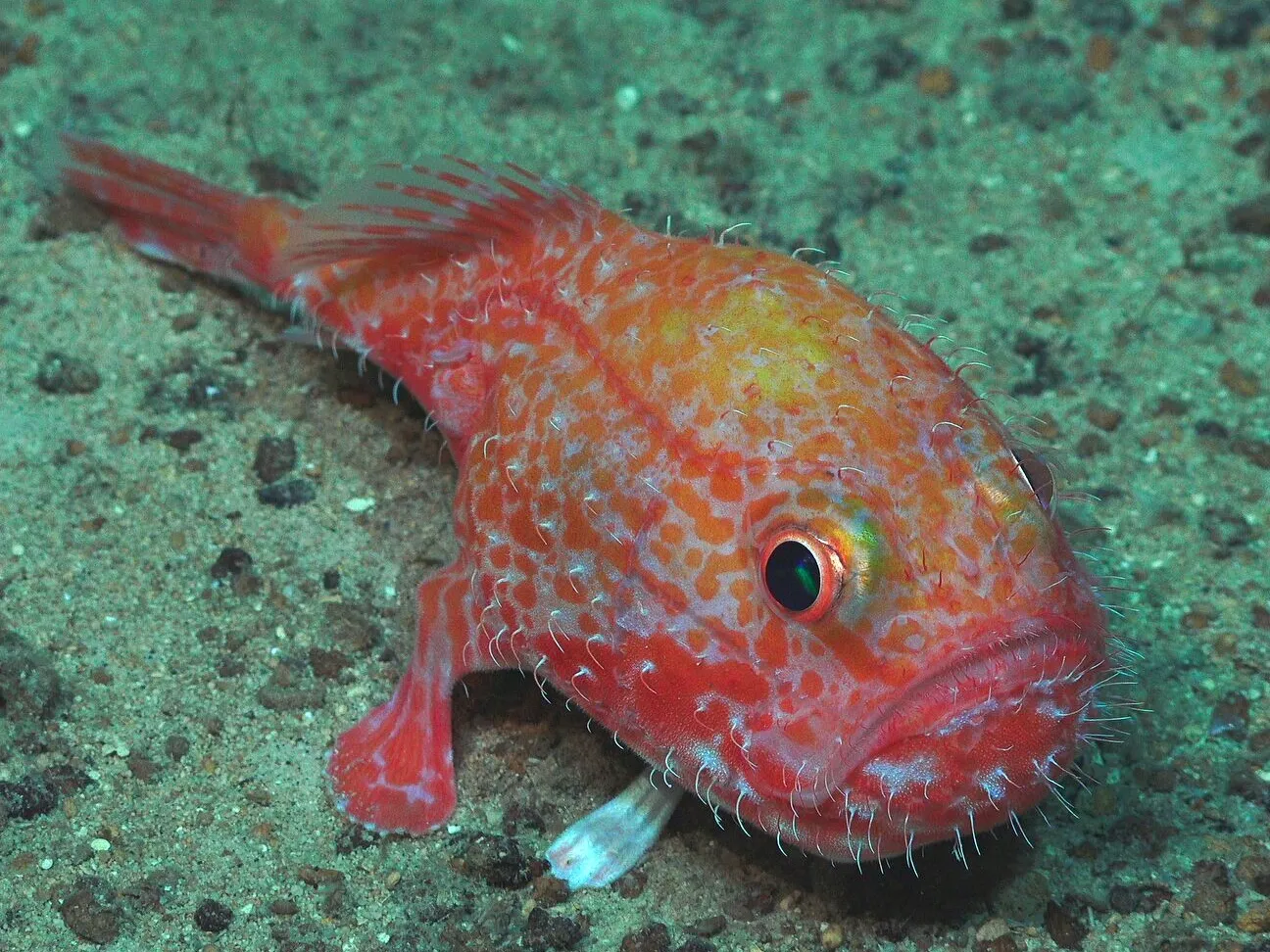
On the other side of the spectrum we found probably one of the slowest fish, the Chaunax, or also known as the Sea Toad. Instead of swimming, it has feet-like pectoral fins and can “walk” on the seafloor. While the Chaunax was definitely one of the sweetest-looking creatures we saw, it is also a sneaky predator, that sits still until something swims by, attracted by the lure on its forehead, and then swallows the victim with their huge mouth!
We also encountered a few giant ca. 20 cm long, alien-like shrimps, some squids, an octopus, and tunas.
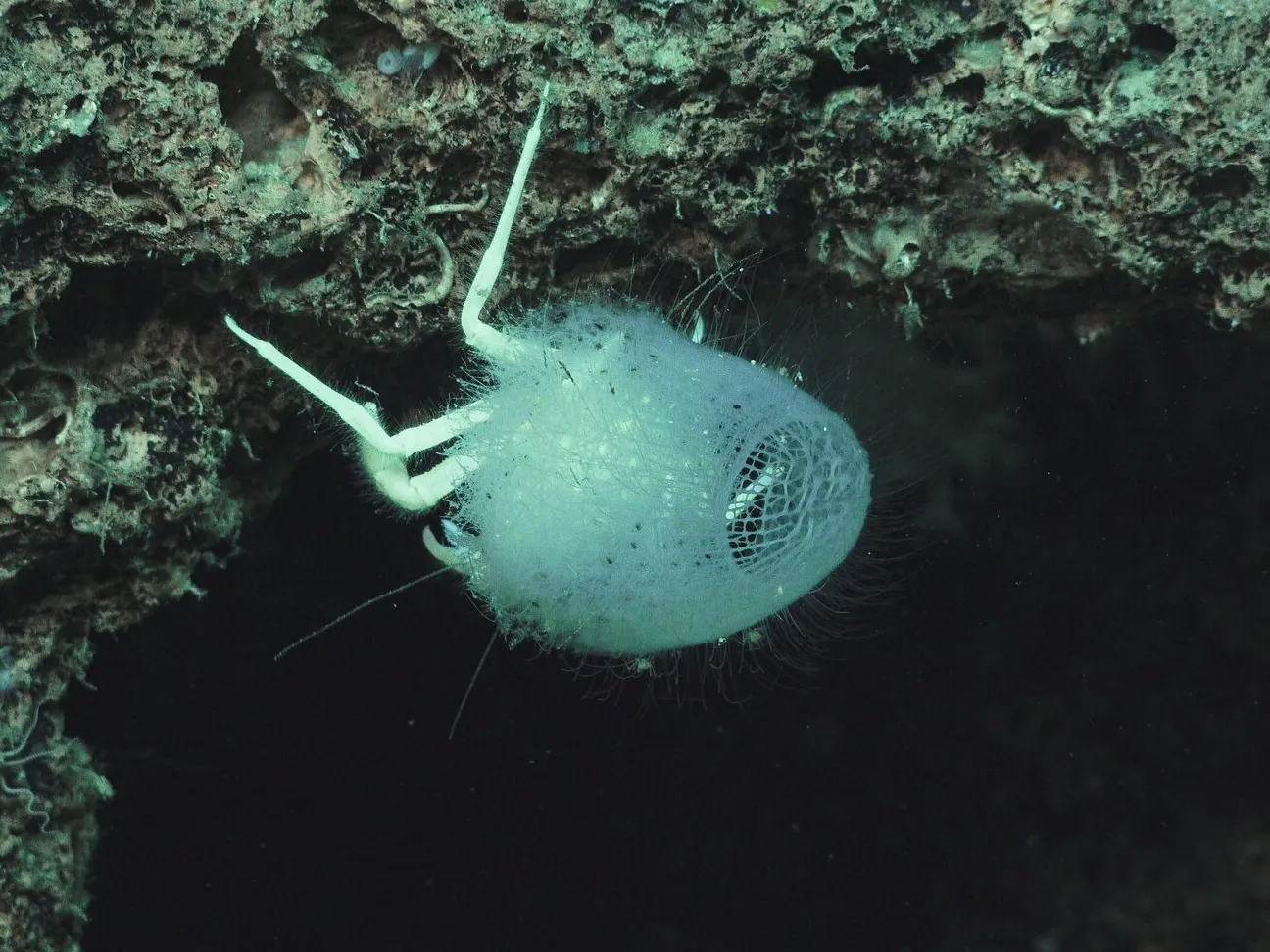
But by far the most fashionable creature so far has been a crab that carried a glass sponge as its hat. Incredibly, this is a known phenomenon amongst some deep-sea crab species: They pick up living sessile animals (sponges, corals, oysters, even anemones) and use them as camouflage and / or protection against predators. As a result, there are some pretty stylish crabs on the seafloor of the Indian Ocean.
September 04.: Home sweet home – Fascinating communities
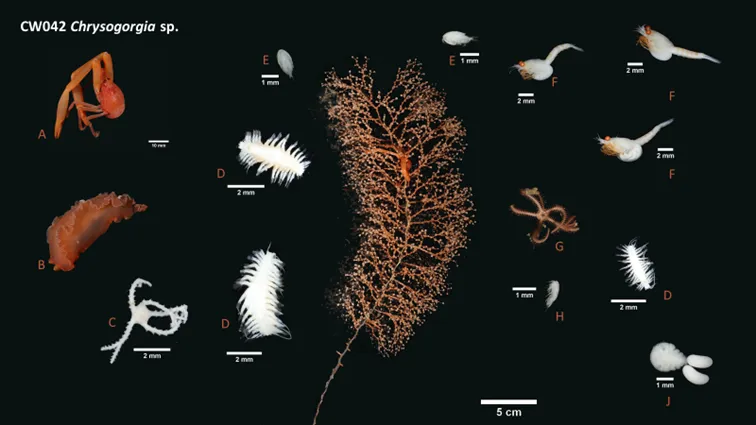
In some shared apartments, you can immediately tell who the subtenant is. With corals, however, it is often not so easy. Many of their roommates are tiny and hide well. To discover them, we have to look very closely - and that starts with collecting the corals, which is a particular challenge in the deep sea.
How do we collect deep-sea corals?
As we are in the deep sea, we need special equipment to collect corals. The most important tool is the "Remotely Operated Vehicle" (ROV) - a remote-controlled underwater robot. This robot not only provides us with live images from the depths, but can also "pick" corals with a manipulator.
Before a coral is collected, we first document the entire colony and the individual polyps in detail with photos. The coral is then placed in a waterproof and lockable box to prevent the small tenants from being washed out during the ascent of the ROV to the sea surface. Ideally, we collect several corals during one dive so that later we can compare them.
What happens on board?
When the ROV returns on board the SONNE with the samples, the next steps must be carried out precisely and quickly. The corals come from a depth of around one kilometer, where temperatures are very different to those on deck. As soon as the samples are on board, we photograph them and document the various collection containers. We then take the containers as quickly as possible to a cold room that is adapted to the temperatures of the deep sea.
This is where the actual research work begins: Each coral is taken out of the collection container individually and placed in a special photo tray. In the cold room, we take detailed pictures of the coral and its visible tenants. We then fix the coral in order to later collect the animals from it, which we also photograph and fix individually.
Analysis of the tenants
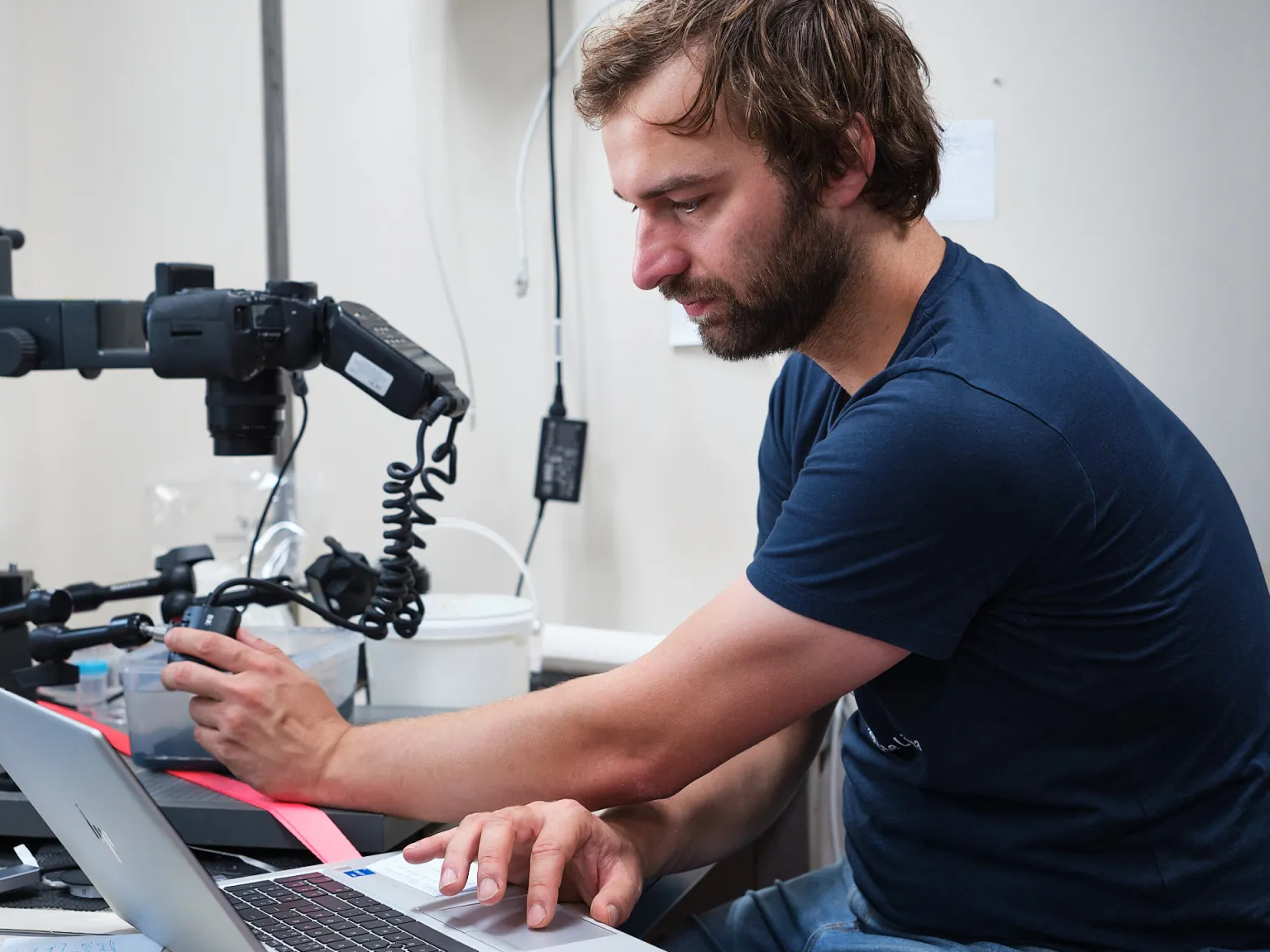
The water from the sample containers is sieved, as many small animals do not survive the transport from deep water to the surface and have already fallen off the coral. These and other tiny organisms that live in or around the coral are also documented. After fixing the coral and its organisms, we identify the animals under a binocular, a special microscope.
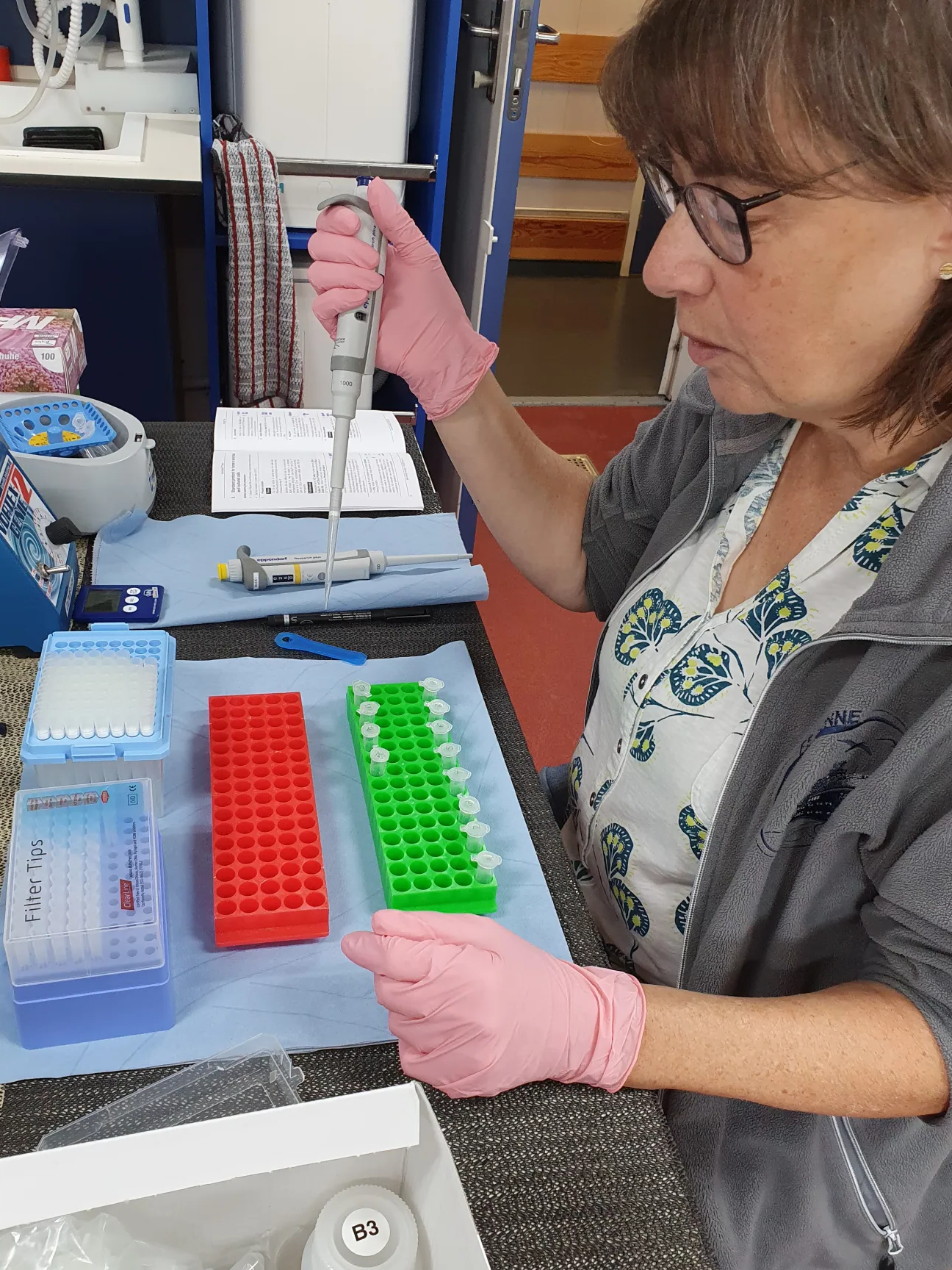
A small part of the tissue is removed in order to get to the DNA of the individual organisms. To do this, we dissolve the cells and purify the DNA through a series of pipetting and centrifugation steps. This DNA helps us to record specific sequences that, in the best case, provide precise information about the species to which the individual organisms belong.
The goal: A complete picture of the miniature habitat of the "deep-sea coral"
By combining the genetic data and the morphological studies, we complete the identification of the individual tenants and the corals themselves. At the end of our work, we hope to obtain as complete a picture as possible of the complex miniature habitat of the "deep-sea coral".
Because every coral is a small universe in itself - and researching it brings us a step closer to deciphering the secrets of the deep sea.
Severin, Saskia & Karen
September 06: ROV MARUM SQUID - The 100th dive
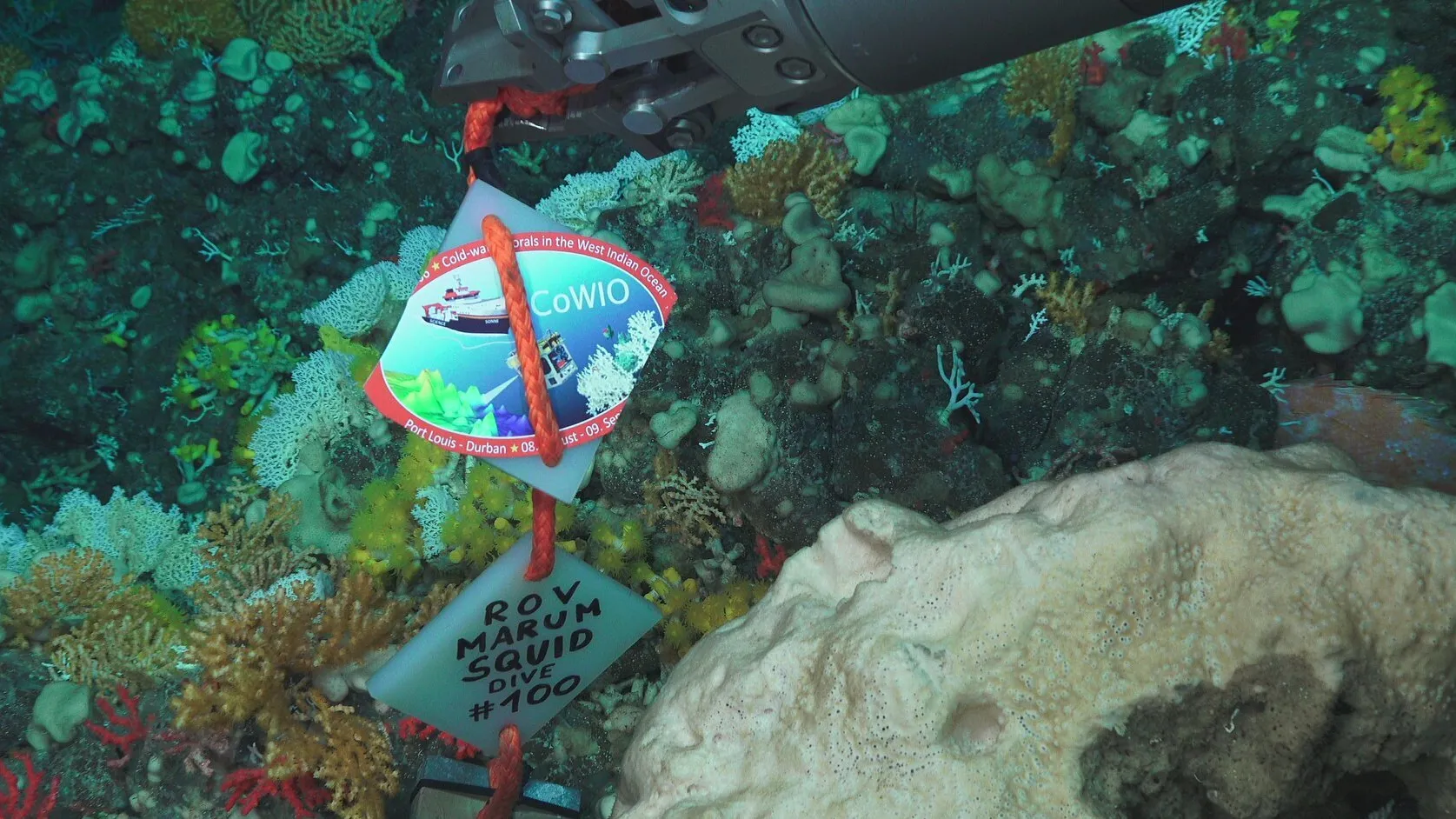
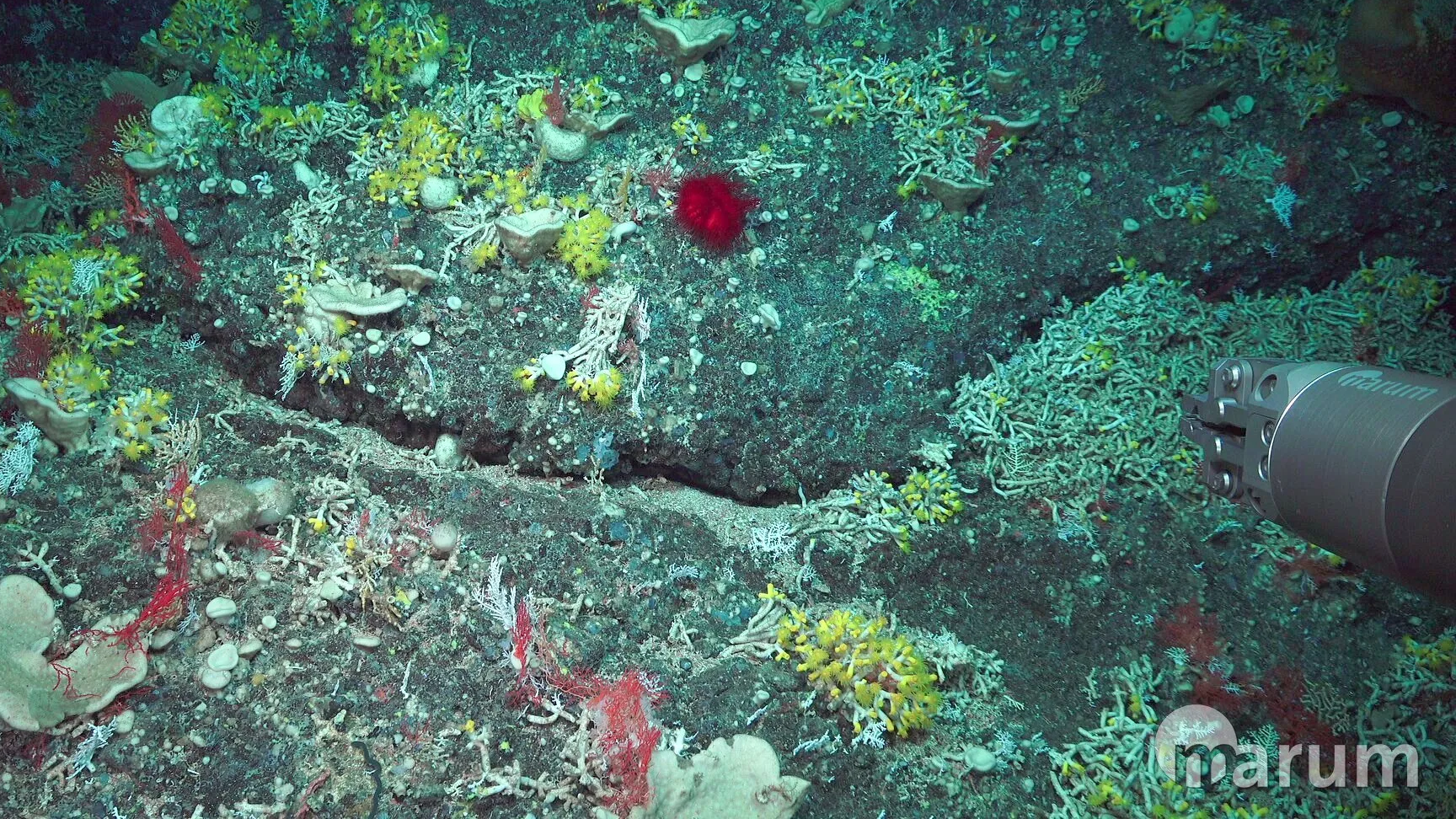
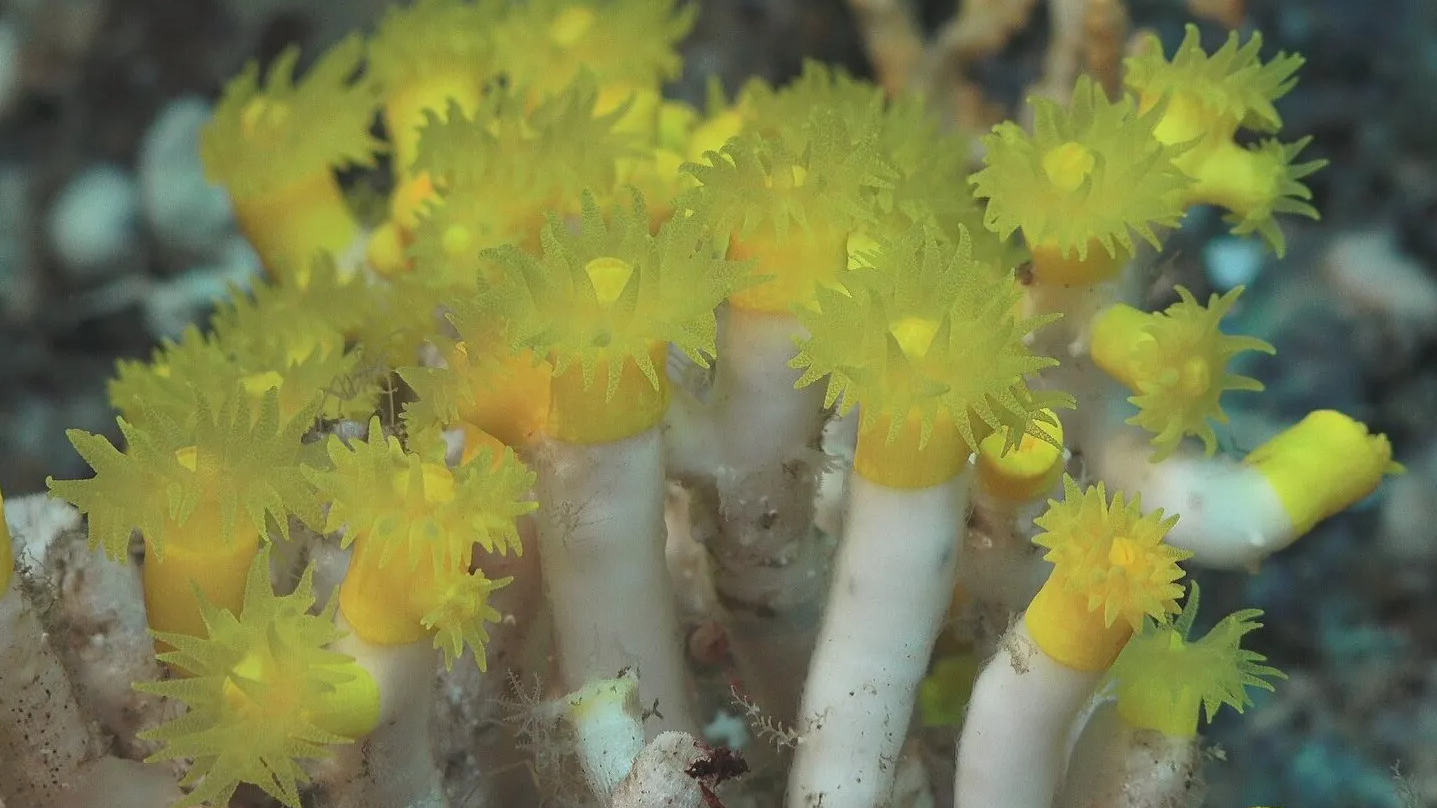
Congratulations! On 2 September, the remotely operated vehicle ROV MARUM-SQUID completed its 100th dive. The target was the summit area of a seamount at a water depth of 360 metres off the coast of Mozambique (26°S). And just as we had ordered for this special occasion, a beautiful and colourful scene awaited us when we reached the seabed. The summit area was densely populated with the bright yellow cold-water coral Eguchipsammia sp., red and orange soft corals, white sponges and a large dark red sea urchin. A real coral garden, the likes of which we have rarely seen. At the end of the dive, a marker was placed on the seabed with the SQUID to mark that this as the 100th dive with the SQUID during the SONNE expedition SO306 CoWIO.
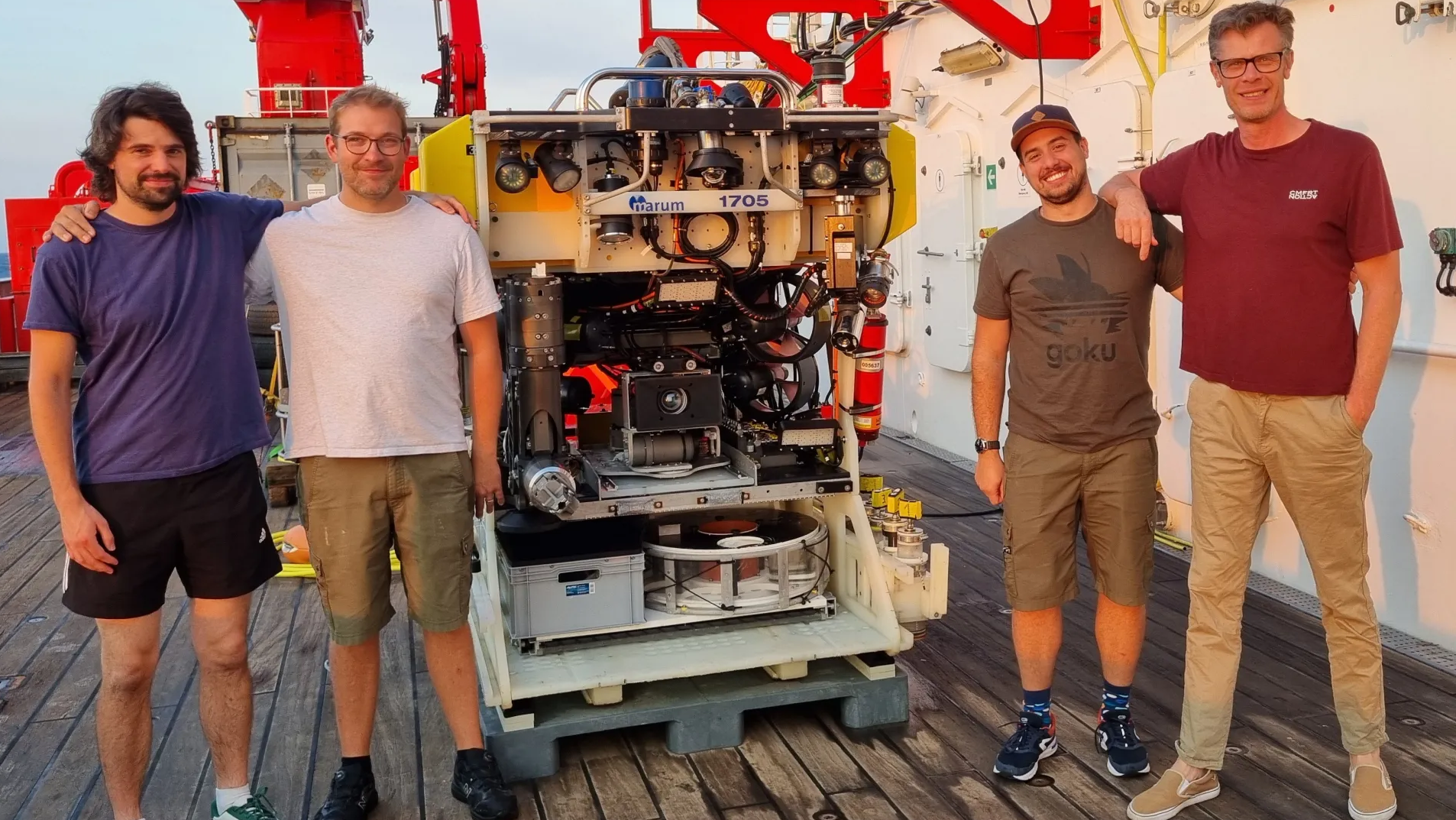
Such an anniversary is worth celebrating in itself, but one detail made this dive a very special moment. Eight years and twelve expeditions ago, on New Year's Day 2016, the SQUID made its first dive into the depths of the deep sea. The destination of this expedition (M122 ANNA), led by Dierk, was the south-west African coast to study cold-water coral ecosystems with the research vessel METEOR. Some of the scientists and technicians (Claudia, André, Leon, Birgit, Maik, Klaus, Cova, Andrea) who were on the first dive are back on board. With one exception, the original four-man crew of the SQUID is also back and looking forward to the next 100 dives.
September 08: A welcome from the Agulhas Current: The Ocean's Turbo Boost!
“Safely secure and tie down all equipment in labs,” were the words that caught everyone’s attention as the announcement echoed throughout the ship. This marked the beginning of our journey to our final operational area—South Africa. A storm was forecasted, but there was another exciting element at play, something well-known to those familiar with these waters: the famous Agulhas Current!
The Agulhas Current is one of the fastest ocean currents in the world, traveling at an average speed of 4 to 5 knots (or 7 to 9 kilometres per hour). To help you picture it, imagine being on the fastest roller coaster ever built, hurtling down a steep drop with the wind screaming past your ears. That’s what the Agulhas Current feels like—but for those living in the ocean!
Our operational area lies adjacent to a narrow continental shelf, which actually causes the Agulhas Current to accelerate. When water flows into a tight space, it’s forced to accelerate, just like how a river rushes faster through a narrow canyon. The underwater topography—complete with submarine canyons and steep cliffs dropping off beyond the continental shelf—acts like nature’s turbo booster, further increasing the current's speed. In contrast, when the current flows over broader, open areas, the water can spread out, slowing down.
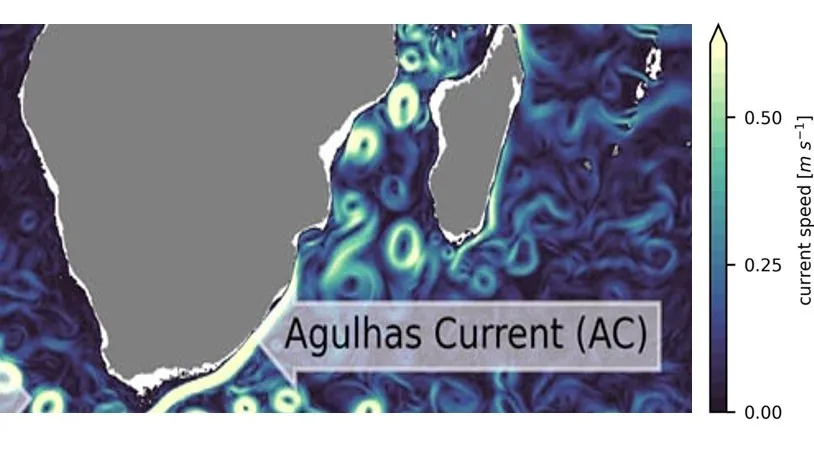
This acceleration plays a key role in driving the global thermochaline circulation, which regulates the Earth’s climate by transporting warm, salty water from the equator to the poles. These seawater movements, including other major ocean currents, such as e.g., the Gulf Stream, are crucial for distributing heat and nutrients around the planet. So in essence, the Agulhas Current acts as a powerful force in the global ocean circulation system.
But the Agulhas isn’t alone. Nearby eddies and smaller currents, coupled with the unpredictable weather, add layers of complexity to navigating this region. These currents can create swirling vortices, sometimes trapping marine life or alter the paths of ships.
As we approach the next phase of our mission, the excitement builds. We’re not just venturing into an operational zone—we’re about to experience one of nature’s fastest, most powerful oceanic forces, the Agulhas Current, where even the sea itself seems to race ahead.
Zoleka, Jacek, Nadezhda
September 09: What do we eat on a research expedition vessel?
If you have never been on a research vessel before, you may be wondering how we dine on the RV Sonne. After all, without our two chefs and the stewards, this expedition would not be possible. Therefore, this blog post is dedicated to them and how everything works around the kitchen.
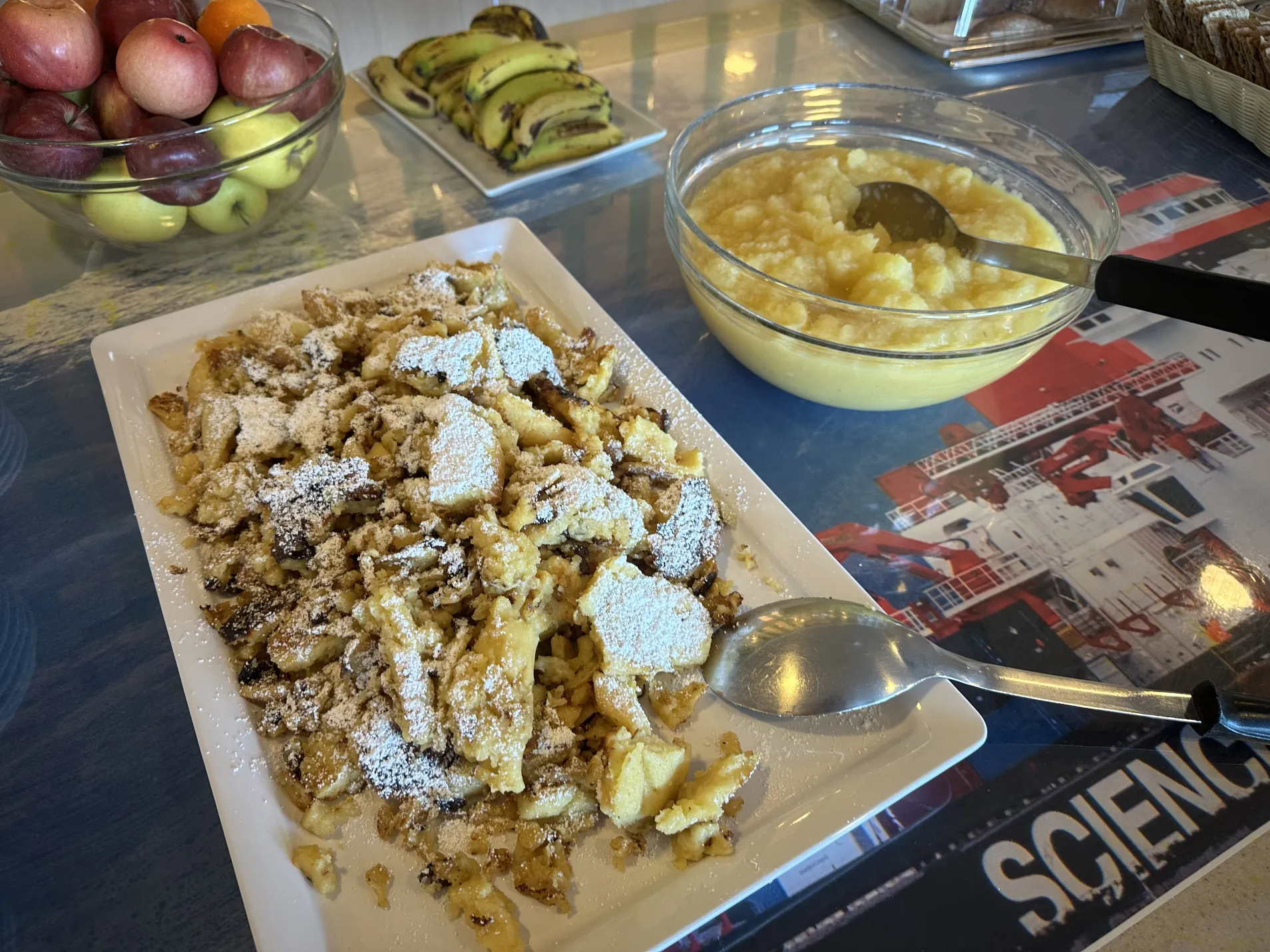
In fact, we are very lucky: The food is amazing thanks to the chefs Geron and Frank and their stewards Bernd, Matthias, Maik and Sven. For breakfast, lunch and dinner, we get a couple of warm options each day (meat and vegetarian). There is buffet three times per day, plus coffee and cake in the afternoon. In addition to the hot meals, we have a wide variety of bread, salads and much more, for example there is a variety of 12 different types of cheese every day. So far, the warm dishes have included anything from Lasagne to Beef Steak to Indian Curry. For me as an Austrian, it was a particularly unique experience to eat Kaiserschmarrn on the Western Indian Ocean…
But there is so much more behind the buffet that we get three times a day… Geron, the first chef gave us a bit more insight into his life as a chef on a research vessel. He has been working as a freelance expedition chef for over 10 years, on virtually all German research vessels including Polarstern. He has also worked as a cook on Antarctic land-going expeditions, preparing food for scientists at altitudes of up to 4000 meters!
Of course, to be able to plan 3 meals per day for 70 people, over one month for COWIO, experience is key. Planning for each meal starts up to 3.5 months in advance, when Geron prepares a list for the next shipping of durable / preserved foods (frozen meat, oil, canned food, etc.) from Germany. Later, all the fresh food is ordered locally when in port, and really depends on the country and what they have. In our case, almost 2 tons of fresh food (salads, fruits, etc.) were brought on board in Port Louis, Mauritius.
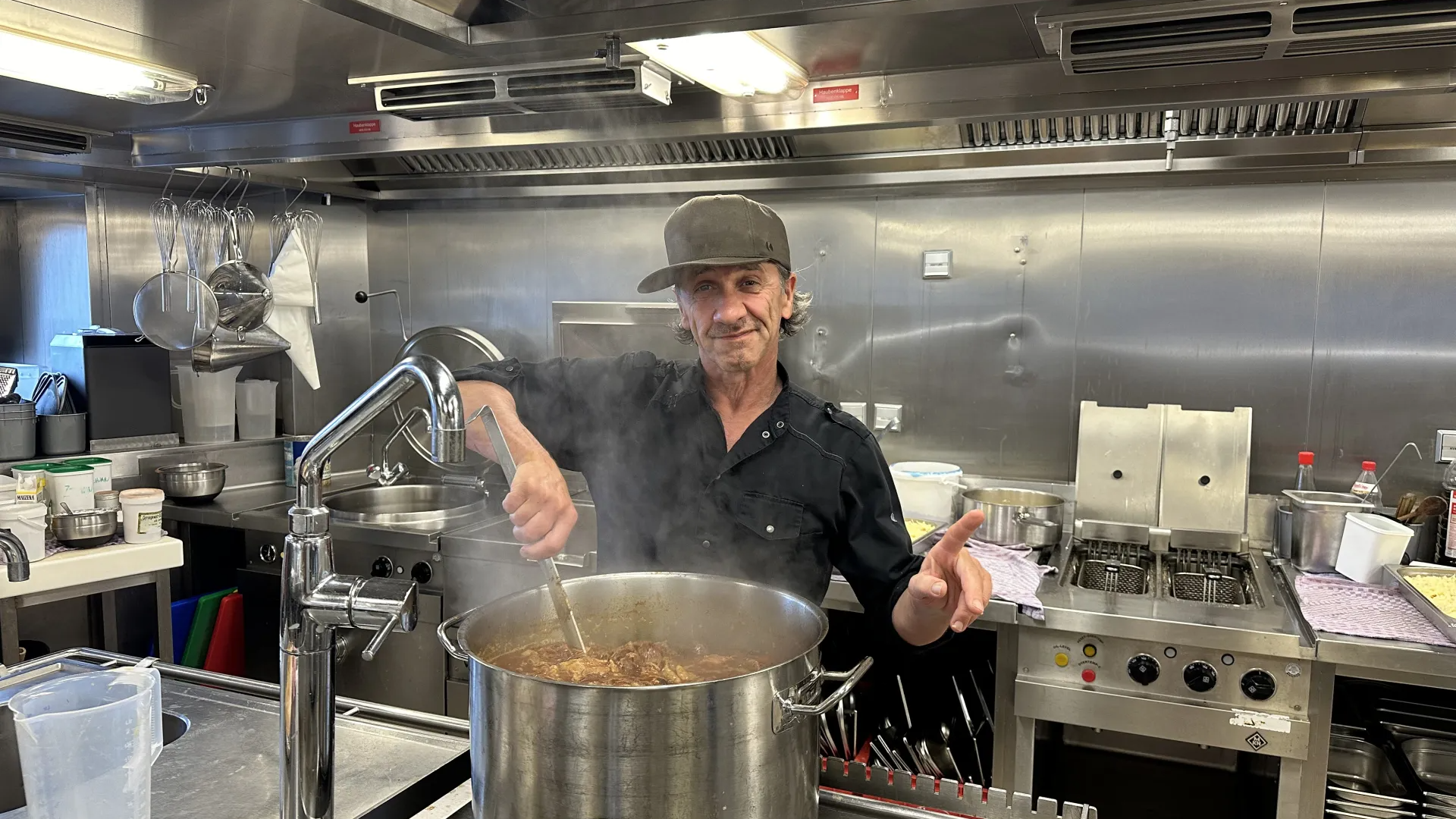
Incredibly, Geron and his team have the skill to take care of the stored vegetables so well that, after almost 3 weeks of sailing, we still have fresh salad. The actual menu is decided two days in advance. Geron says he tries to keep the meals as varied as possible, with a day of stew followed by a day of fried food. Of course, leftovers are also included in the planning, so that as much food as possible is recycled. Of course, there are sailor’s traditions that guide through the week: Fish on Friday, stew on Saturday and ice cream on Sunday and Thursday (sailor's Sunday). When we are in port, we get the famous 'port gulash'. However, being a chef on a ship means you have to be very flexible, too: One of the biggest challenges of cooking at sea is the weather.
Last week, we had 5 meters of waves – and while most people are just lying down and the science operation is completely shut down, the kitchen still has to function. A lot of things on board can be postponed due to circumstances, but not cooking - everyone has to eat. Whatever the situation, the team has to prepare food. When there are big waves, Geron says, everything takes twice as long and the frying oil is never where it should be. It is incredible how hardworking the kitchen team is: A normal day starts already between 1.30 am and 4 am with breakfast preparation, then there is breakfast at 7am and a short break before they start cooking lunch, and so on, until the day ends only after everyone had their dinner at around 6.30 pm. Geron says he loves his job and it is rewarding to see the smiling faces when people come into the kitchen and everyone greets you on the ship.
A big thank you from everyone onboard for making this cruise such a delicious experience!
September 10: ... and suddenly it's all over!
The same routine day after day, sometimes interrupted by a transit day without station work. So, the days flew by - and suddenly the expedition is over. Arriving in Durban proved to be somewhat difficult, as the weather conditions meant that the helicopter flights taking the pilot to the vessel had to be aborted again and again. At some point, we finally reached the harbour, the first group of scientists was taken to the airport and those who remained on board for the final clean-up work went ashore in the evening. However, we were not greeted very warmly by Durban with a temperature of 14°C and rain.
On Tuesday, 10 September, the last embarked scientists left the SONNE and went to the airport – not without first passing through the immigration office. From there, they travelled in a variety of directions, to northern Germany of course, but also to Tanzania, Mozambique, Spain, the Netherlands and the USA. The many contacts that already existed between the expedition participants before the expedition have now been joined by many new ones, which will be of great importance in the coming years for analysing all the data and samples that we have collected. We are all already looking forward to that!
So, what is the conclusion of this expedition? We set out to investigate cold-water coral ecosystems and coral mounds. There was a lot of good evidence for the existence of both - albeit indirect - without which we would never have undertaken this expedition. In the end, we found many corals of different species, but we did not find any large, coherent cold-water coral reefs as we know them from the Atlantic. Accordingly, we also did not find any coral mounds, as such reefs are important for their formation. This may sound like a disappointing expedition, but this is science. Just because we have now ‘looked’, we know that cold-water coral reefs hardly exist, if at all, in the West Indian Ocean. That alone might be a bit disappointing, but there is also the other side...
We have discovered two previously unknown mud volcanoes in the West Indian Ocean, although mud volcanoes have never been reported from there before. And on the Mtwara mud volcano off Tanzania in particular, we found a fantastic mussel-dominated ecosystem, which we will probably only really understand in the coming months when the first data from the laboratory analyses have been compiled. And then there were the beautiful coral gardens on the volcanoes off Mozambique ... We will do everything we can to support our colleagues from Mozambique in setting up a marine protected area there in the coming years to preserve this fascinating diversity. And in addition to these highlights, we have many other exciting results and samples ...
So, we are more than satisfied with this expedition! We are looking forward to the next few years, in which we will be able to develop our observations on board and the ideas we have brought with us into formulated, scientific studies. And much more will come out of this than we can imagine right now.
So now it really is over! We hope this expedition logbook has been interesting and entertaining and has allowed us to give a little insight into the life and work on a research vessel and into marine research itself.
See you next time,
Dierk & Claudia