

MARUM Research Academy
Report of Lisa Fajar Indriana
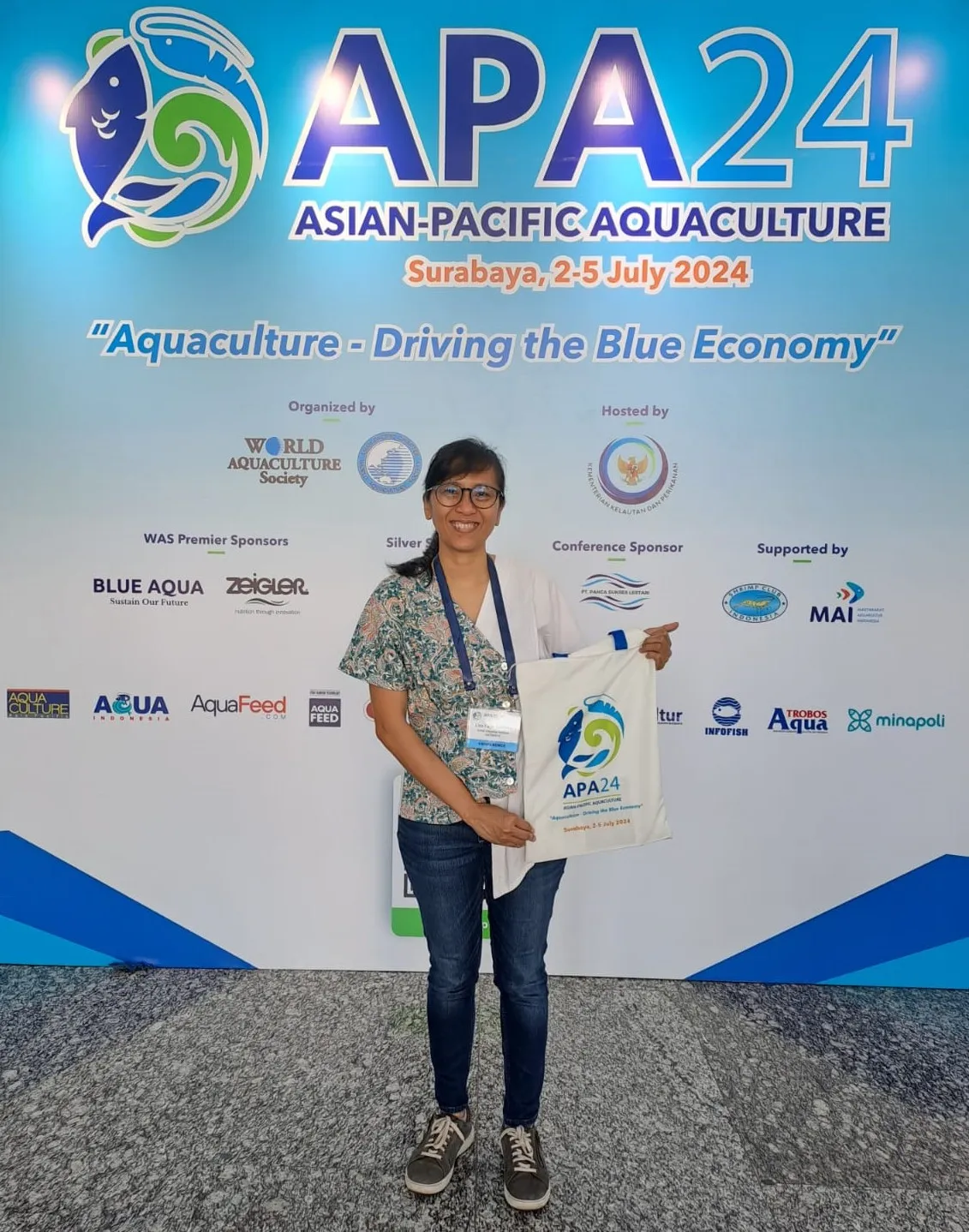
Asian Pacific Aquaculture Conference 2024 (APA 24) in Surabaya, Indonesia from 2 to 5 July 2024
The Asian Pacific Aquaculture (APA) 2024 conference was an event that held together the international aquaculture community to discuss the rapid expansion of the aquaculture industry and research. This conference organized by the World Aquaculture Society’s Asian Pacific Chapter (WAS-APC), featured a comprehensive program including a plenary session, technical presentation, and a trade show showcasing the latest aquaculture technology and innovations. In 2024, the theme of the conference is Aquaculture-Driving the Blue Economy, highlighting the shared commitment to developing new aquaculture approaches, improving collaboration, and addressing global concerns of the blue economy.
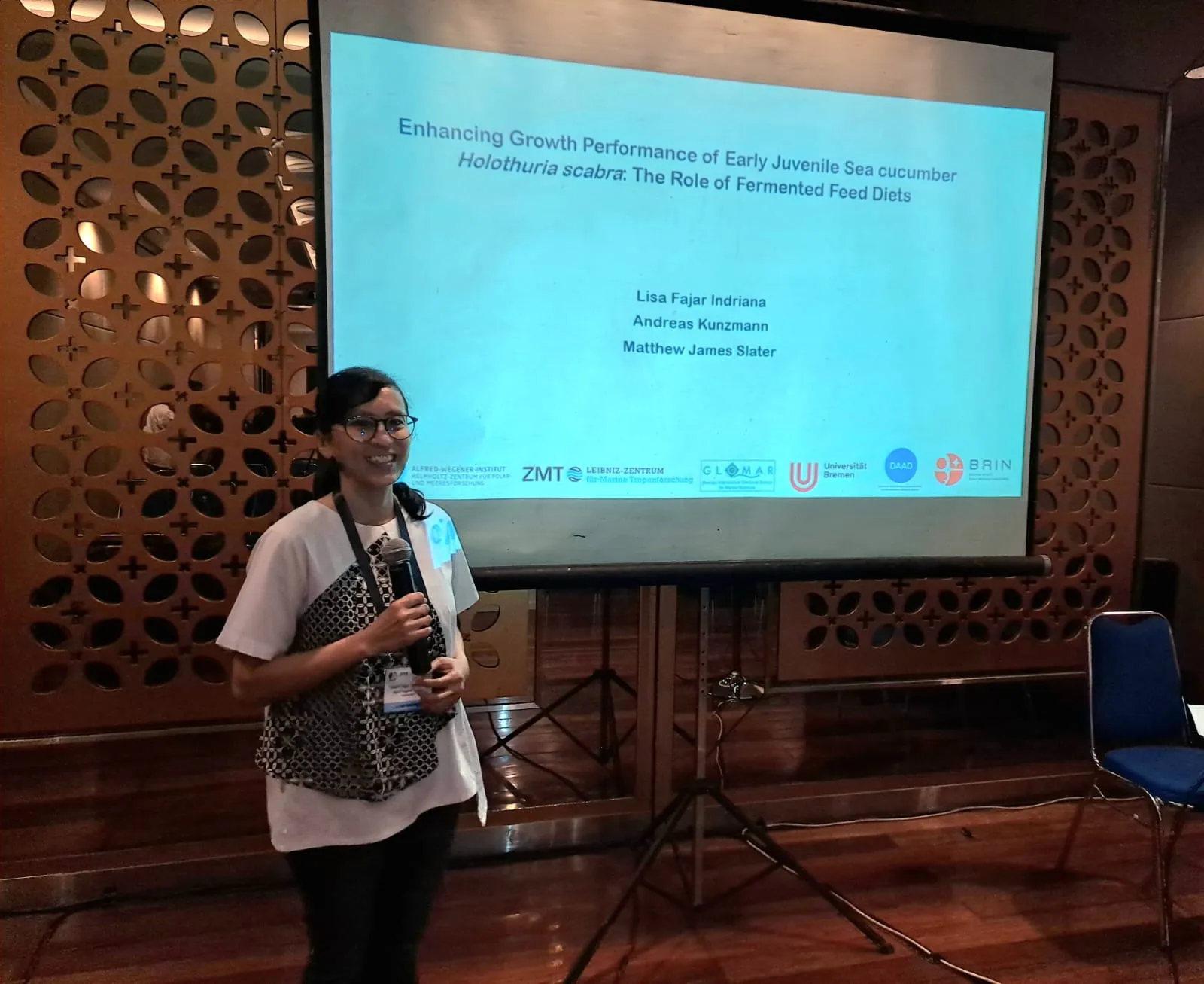
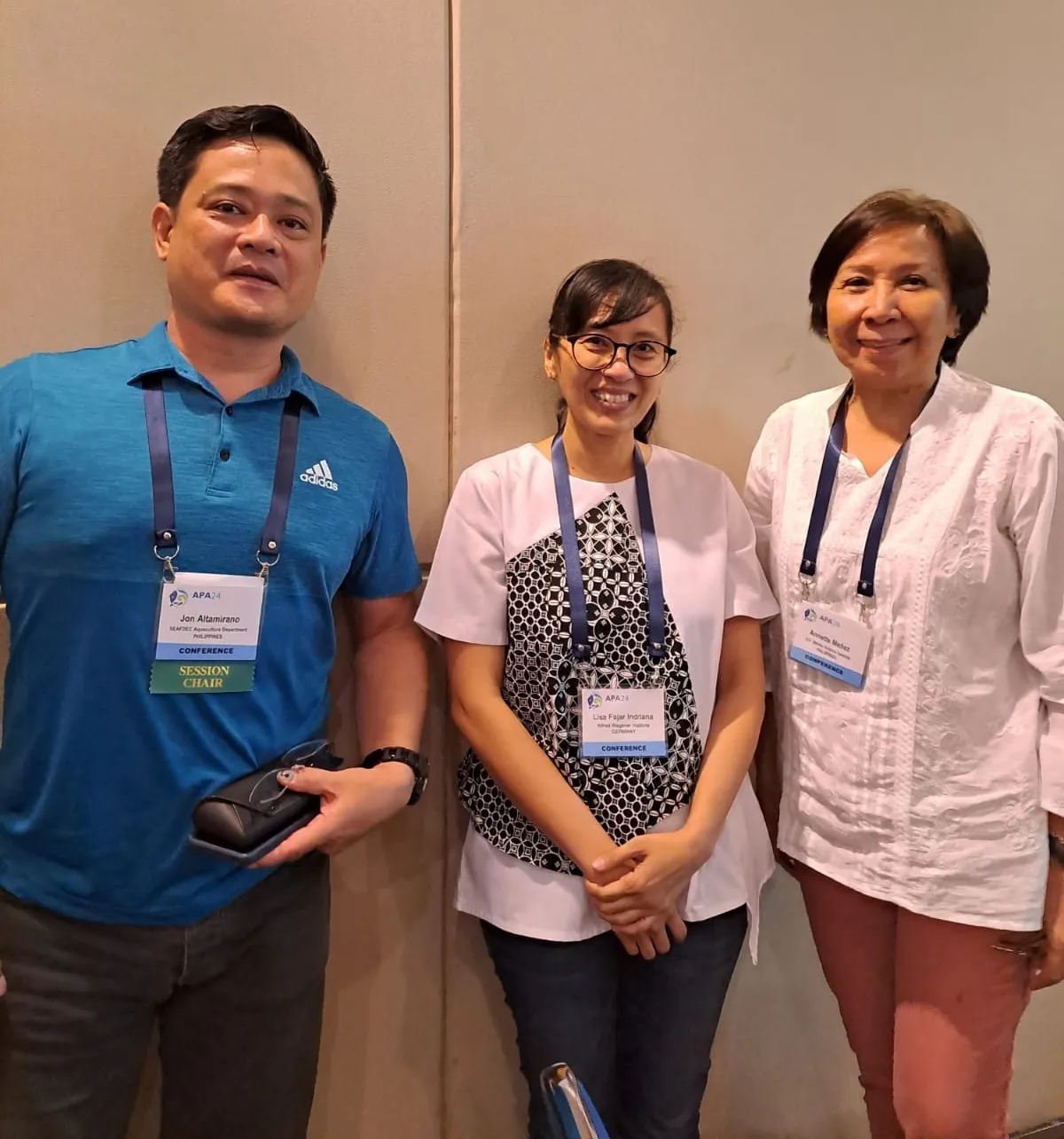
In APA 24, I presented my first research paper entitled Enhancing Growth Performance of Early Juvenile Sea cucumber Holothuria scabra: The Role of Fermented Feed Diets during the oral session. Attending this conference was beneficial for me. I had the opportunity to share my research findings, particularly on sea cucumber feed in the early juvenile phase, gained network with international colleagues and experts in my field, engage in discussions with professionals, and update my knowledge on the latest developments in aquaculture across various commodities.
I am grateful to GLOMAR for their funding support, which made my participation in this conference possible. This experience has enriched my knowledge during my PhD work and opened up new opportunities for collaboration and advancement in the field of aquaculture.