
MARUM Research Academy
Report of Palash Kumawat
Organic Geochemistry Gordon Research Seminar (GRS) "Navigating the Modern Era of Organic Geochemistry" and Conference (GRC) "Contemporary Applications of Organic Geochemical Research" in Holderness, New Hampshire, USA from 27 July to 2 August 2024
I recently had the extraordinary opportunity to attend and actively participate in the 2024 Organic Geochemistry Gordon Research Conference (GRC), renowned for being a premier international scientific conference dedicated to cutting-edge and unpublished research in organic geochemistry. I also attended the preceding Gordon Research Seminar (GRS), a platform designed for graduate students, postdoctoral fellows, and early-career researchers to share their research activities and challenges. The program featured a diverse array of speakers and discussion leaders from esteemed institutions worldwide, focusing on the latest advancements in the field. In addition to premier talks, the conference included designated poster sessions, allowing researchers from various career stages to showcase their work. Afternoons were reserved for free time, and communal meals provided invaluable opportunities for informal networking with leading experts.
I was privileged to present a poster on my unpublished doctoral research at the GRS, where I received insightful feedback and engaged in stimulating discussions with peers and senior scientists alike. The GRS played a crucial role in helping early-career researchers and first-time participants like myself feel more at ease before the GRC. It provided a more intimate setting for networking with fellow early-stage researchers, facilitating meaningful interactions and fostering a sense of community. The GRS enabled me to spark collaborations, engage in exciting discussions, and form new friendships, especially during lunches and dinners. This supportive environment allowed for the exchange of ideas and experiences, setting the stage for a more confident and connected participation in the subsequent GRC.
Dr. Magdalena Osburn delivered a highly vitalizing talk at the GRS, sharing her academic journey and roles from geologist to organic geochemist to microbiologist. She expressed her enjoyment in embracing different disciplines, emphasizing the evolving nature of multidisciplinary integration in environmental research. This resonated deeply with me, given my own multidisciplinary approach. Additionally, this year's GRS placed a special focus on scientific communication, with Dr. Gabi Serrato Marks from MIT leading a session on “Effective Science Communication for Geochemists,” underscoring the importance of communicating frontier research.
Furthermore, I was honored to be invited by the GRC and GRS chairs to present my research during the "Late-Breaking Topics" session. This incredible opportunity was a significant step forward for an early-career researcher like me, allowing me to share my latest findings with a broader audience of experts. My talk, titled “Secrets of the Forearc: Unraveling Mariana’s Microbial Marvels: A Lipidomic Tale of the Serpentinite Biosphere in a Chemosynthetic Symphony”, focused on the first lipid biomarker distribution from the Mariana forearc serpentinite mud volcanoes. It highlighted the importance of serpentinization reactions in supporting fluid-stimulated chemosynthetic methanogenic and methanotrophic microbial communities. My presentation was well-received, with many researchers offering positive and encouraging feedback. I was humbled by their praise, making it a memorable way to conclude the conference. The experience was immensely rewarding, contributing to my professional growth and expanding my network within the scientific community.
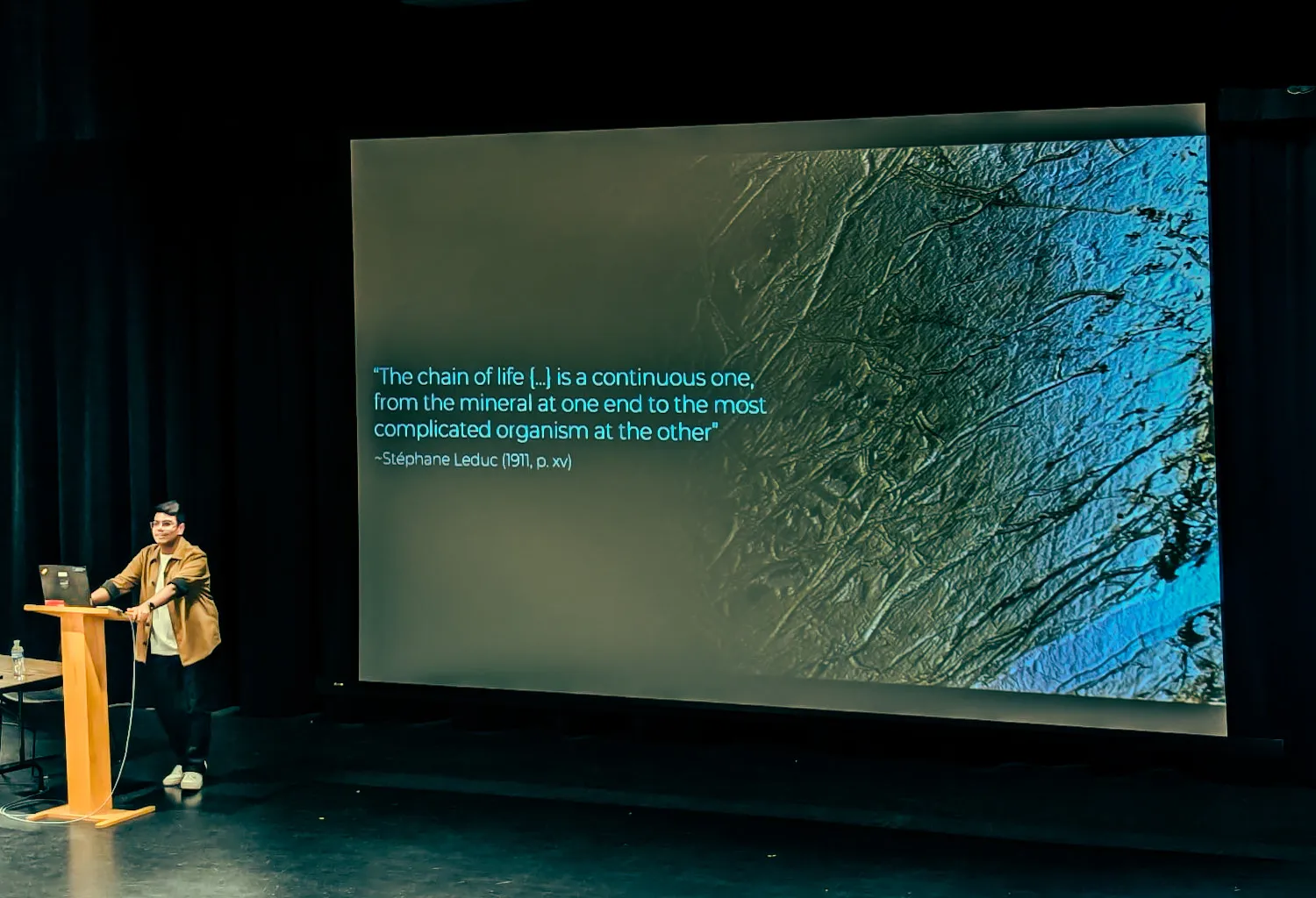
The research presented at both the GRC and GRS was brilliant and thought-provoking. The program featured a wide array of talks on numerous cutting-edge topics. Among my favorites was Dr. Heather Graham's presentation in the session “Organic Matter in the Solar System,” which paved the way for advancements in astrobiology and expanding the definition of biosignatures in extraterrestrial environments. This session captivated the audience as Dr. Fabian Kellner and Dr. Angel Mojarro provided insights into the search for biomarkers from icy moons in our solar system to the recently returned samples from asteroid Bennu. Dr. Grayson Chadwick's engaging talk on newly evolved methanogenic archaea and Andy Garcia's work on biosynthetic pathways in membrane lipid modification in archaea further deepened my understanding of these fascinating extremophiles. The sessions on advancements in analytical organic chemistry were equally awe-inspiring, and the conference program effectively delivered insights into socially relevant research on using microbes for waste management and dealing with environmental pollutants. These talks collectively highlighted the diverse and integrative nature of organic geochemistry.
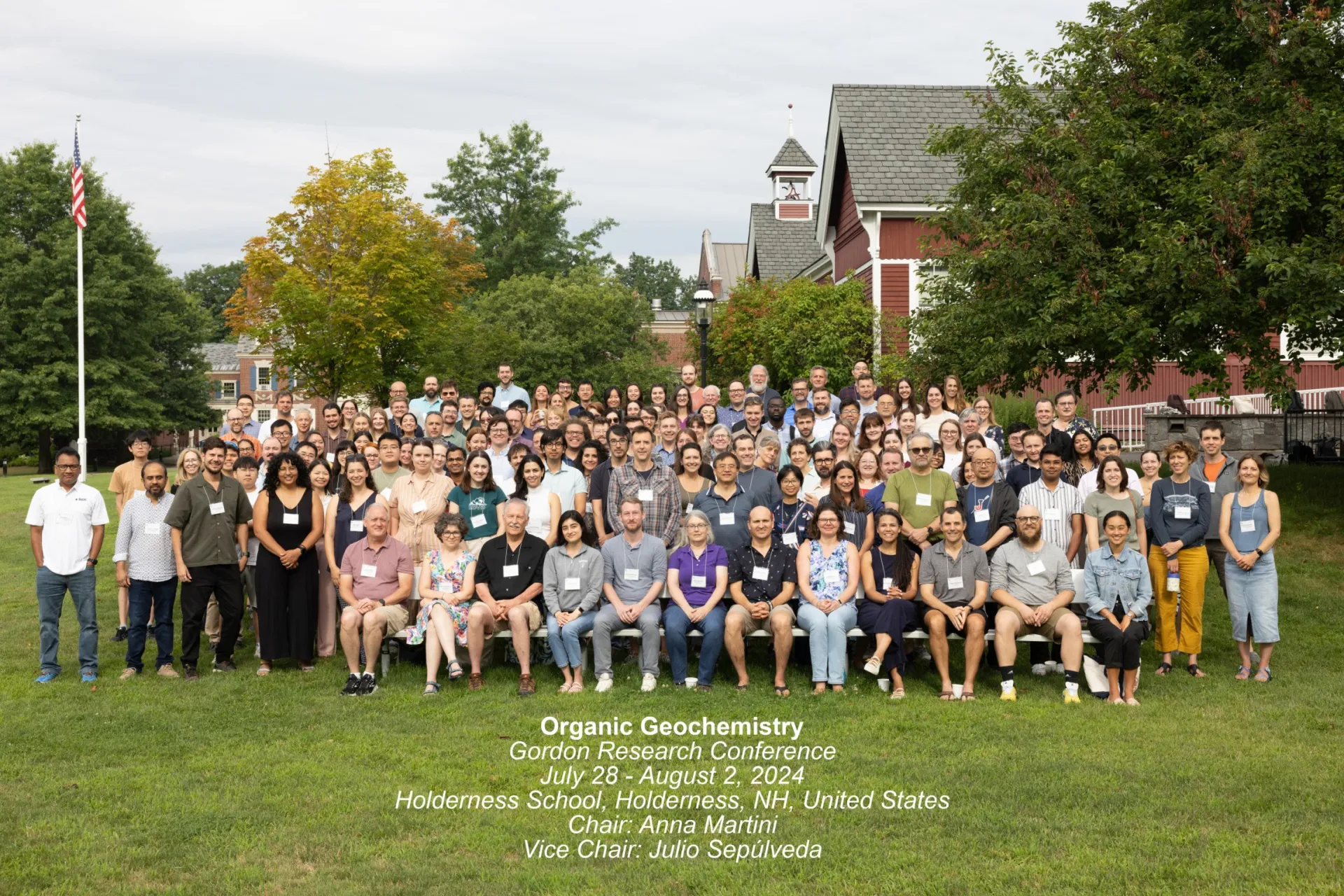
This year’s GRC also had a bonus session named “The GRC Power Hour™” which was designed to address diversity and inclusion in the scientific workplace. The session created a supportive environment for diverse and inclusive conversations among scientific colleagues, providing an open forum for discussion and mentoring.
This five-day conference, held in a remote setting, was instrumental in fostering a strong sense of fellowship and community. The 2024 GRC and GRS provided an invaluable opportunity for me to engage with scientists from diverse backgrounds and perspectives. I greatly benefited from the chance to build lasting collaborations and friendships, all while being part of a gathering that truly reflects the rapidly advancing and integrative nature of our discipline, characterized by its inclusive and open-minded approach. For those interested in the field of organic geochemistry, these conferences are an unparalleled opportunity.
Lastly, I extend my heartfelt gratitude to the Deutsche Forschungsgemeinschaft (DFG) for funding this research project and to GLOMAR for their generous financial support, which enabled my participation in this prestigious conference. I would also like to express my appreciation to the University of Bremen, our partner institutes, and all individuals involved in this project. This invaluable opportunity has been pivotal in fostering new collaborations and receiving constructive feedback on my research.